Zohran Mamdani, who sponsored the Stop Fakes Act as a state assembly member, faces a test as mayor after the NYPD disclosed it uses Ntrepid software to create covert online identities. Critics say the tools accelerate surveillance, risk bias and skirt transparency rules required by the POST Act. A court ordered the NYPD to release surveillance contracts, but the department has produced only a tiny fraction of the records. Advocates and lawmakers are pressing for reform; Mamdani must decide whether to act or defer to police priorities.
Mamdani’s First Big Test With the NYPD: Will NYC’s Mayor Rein In 'Sock Puppet' Surveillance?

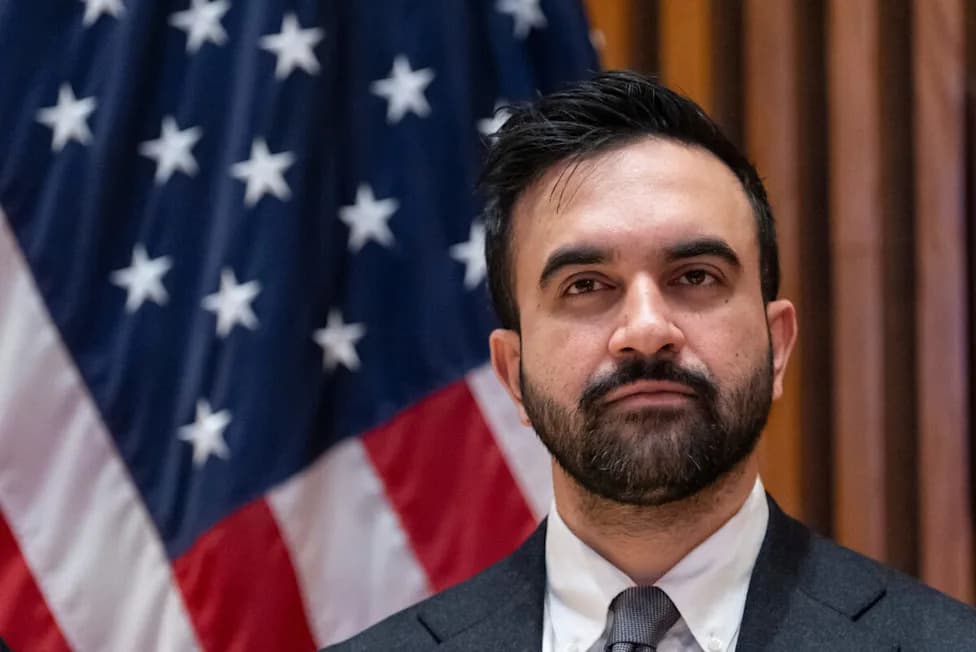
Zohran Mamdani and Jessica Tisch, NYPD commissioner, in New York in January.Photograph: Adam Gray/Bloomberg via Getty Images(Photograph: Adam Gray/Bloomberg via Getty Images)
Zohran Mamdani, who as a New York state assembly member sponsored the Stop Fakes Act to bar law enforcement from creating fake online accounts and harvesting account data, now faces a major test as New York City’s mayor after the NYPD disclosed it uses software that can create covert online identities.
NYPD Disclosure And What It Means
On 4 February the NYPD disclosed it had procured “internet attribution management infrastructure” from Ntrepid, a company known for providing tools that create so‑called “sock puppet” accounts and automated agents. In practical terms, the department confirmed it uses software that allows officers to operate covert online personas to monitor and engage on social media.
Why Advocates Are Alarmed
Critics say these tools expand the speed and scope of digital surveillance and can entrench bias. Emile Ayoub of the Brennan Center warned that automated agents enable departments to "collect, analyze, and infer much more information much more quickly," undermining Fourth Amendment protections designed to limit intrusive policing.
“Digital dragnet surveillance is widespread and dangerous,” Mamdani wrote in a 2023 op‑ed. “Although the NYPD claimed in a Department of Justice report to keep detailed records of its undercover accounts, the department refuses to provide any documentation of its social media surveillance policies or practices for public review.”
Transparency Laws, A Court Order, And Slow Compliance
In 2020 the City Council passed the Public Oversight of Surveillance Technology (POST) Act, requiring disclosure of surveillance tools, capabilities and safeguards. Oversight groups and the city inspector general have criticized the NYPD for providing “boilerplate” disclosures that lack sufficient detail for meaningful audits.
The Legal Aid Society sued for contracts related to confidential surveillance products; the state appellate division ordered the NYPD to release such records on a rolling quarterly basis. Yet, according to Legal Aid, the department has produced fewer than 600 of an estimated 165,000 pages — a pace critics say makes transparency effectively impossible.
Political Tightrope For Mayor Mamdani
Mamdani’s past rhetoric and legislative record put pressure on him to act. In 2020 he publicly supported the Defund the Police movement; by 2025 he had softened his message, saying he was not running to defund the police and praising Police Commissioner Jessica Tisch’s work on corruption and crime reduction. That shift leaves him balancing reform commitments against the practical need for cooperation with rank‑and‑file officers in a city of 8.4 million residents.
Advocacy groups such as the Surveillance Technology Oversight Project (Stop) and the Legal Aid Society say they will hold the mayor accountable. Will Owen of Stop said, “Stop will continue to hold him accountable, and we are cautiously optimistic that he will continue that fight.” Jerome Greco of Legal Aid warned that the pace of disclosure would take decades to satisfy the court’s order at the current rate.
What Comes Next
State lawmakers have reintroduced the Stop Fakes bill, offering a legislative route to restrict law enforcement use of fake online identities. If the mayor does not act, Albany could impose limits. Advocates remain watchful and cautiously hopeful that Mamdani’s prior sponsorship of Stop Fakes signals a willingness to curb the most invasive practices.
Bottom line: The disclosure of Ntrepid software has revived long‑running concerns about the NYPD’s surveillance practices, the limits of existing oversight, and whether Mayor Mamdani will use his authority to tighten rules or prioritize working relations with police.
Help us improve.