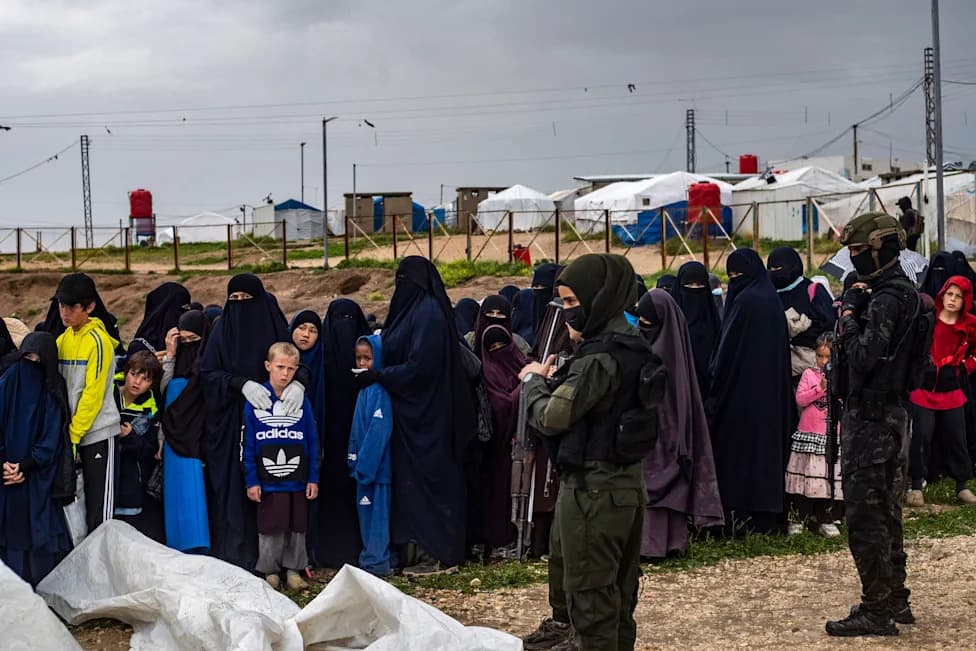
Sources in northeast Syria say al-Hol camp’s population has fallen from about 24,000 earlier this year to only a few thousand after the SDF withdrew and Syrian government forces assumed control. Reports differ on how residents left: many Syrians appear to have returned home, while numerous foreign nationals reportedly moved west toward Idlib and Aleppo, often through informal or chaotic routes. Humanitarian groups warn that the uncoordinated departures put women and children at high risk of trafficking, exploitation or recruitment by armed groups, and analysts fear a potential security resurgence by ISIL-linked actors.
Chaotic Exodus From Al-Hol Camp Raises Major Security and Humanitarian Alarms
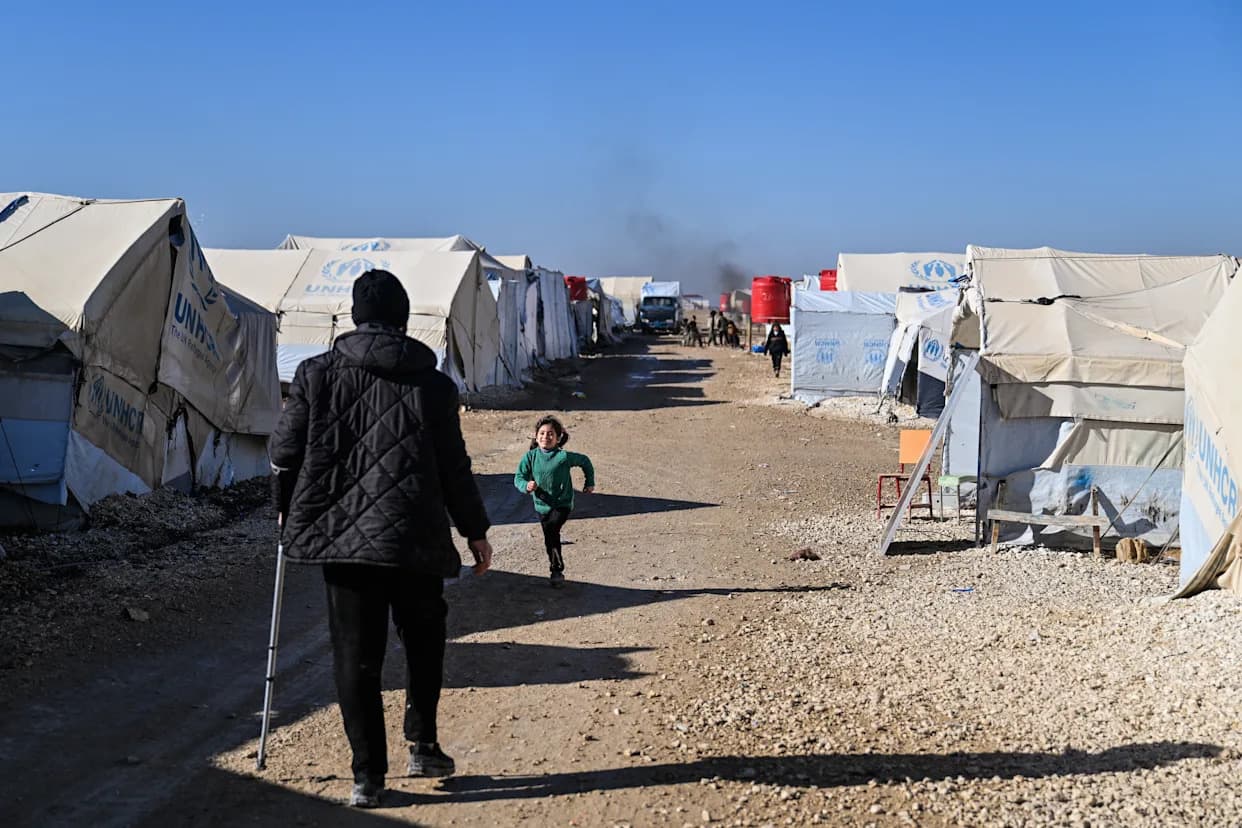
Detainees walk between tents at the al-Hol camp on January 26, 2026, in Hasakah, Syria [Abdulmonam Eassa/Getty Images]
Humanitarian, diplomatic and local sources in northeast Syria report that al-Hol camp’s population has plunged from roughly 24,000 earlier this year to only a few thousand after the Kurdish-led Syrian Democratic Forces (SDF) withdrew and Syrian government forces moved in.
Overview
Al-Hol, near the Syria–Iraq border in Hasakah governorate, long housed primarily internally displaced Syrians alongside thousands of foreign nationals reported to have alleged links to ISIL (ISIS). The camp, established and managed by the SDF after territorial gains against ISIL in 2019, became the largest site in Syria for those suspected of such links. At its 2019 peak, the camp sheltered an estimated 73,000 people; in January this year, humanitarian groups estimated around 24,000 residents, including roughly 14,500 Syrians, 4,000 Iraqis and some 6,200 other nationalities concentrated in a highly securitised section.
Events Surrounding the Withdrawal
In January, a government offensive in northeast Syria prompted the SDF to withdraw from many positions, and Syrian government security forces entered al-Hol on January 21 to assert control of the site. In the days following the SDF departure and during the government’s attempts to reestablish security, humanitarian organisations suspended operations at the camp, citing deteriorating conditions and access limits.
How Residents Left
Accounts differ on how large numbers departed the camp. Aid workers and former residents report multiple methods: some people said they were directed to board buses (unclear by whom), others described crowds surging past weakened or absent guards, and some accounts indicate smugglers moved families out of the camp. These reports have not been independently verified, but humanitarian and diplomatic sources say such scenarios are plausible given the camp’s size and chaos after the security transition.
Security and Political Concerns
The uncoordinated movement of detainees and camp residents has alarmed analysts, diplomats and rights groups. Officials warn that women and children who left without planning or protection are highly vulnerable to trafficking, exploitation and recruitment by armed groups. There is also worry that some radicalised individuals moving across Syria could contribute to renewed ISIL-linked attacks or support destabilising activity.
"Families who were moved cannot be certain whether they have been liberated or effectively kidnapped," said Beatrice Eriksson, spokesperson for the Swedish branch of Repatriate the Children, describing the acute protection risks facing those who left the camp.
Humanitarian Impact
Rights organisations have long criticised conditions inside al-Hol, citing inadequate food and water, restricted communications and insufficient medical care. With humanitarian actors suspended and many residents dispersed, humanitarians warn of an urgent need to identify, register and protect women and children and to coordinate safe, dignified repatriation or alternative support for foreign nationals.
Wider Implications and Nearby Camps
Roj camp, also in Hasakah and still under SDF control, houses many people with alleged ISIL links and residents there report anxiety about the future. The chaotic departures from al-Hol have renewed calls for governments to accept responsibility for their nationals and for international coordination to prevent trafficking and recruitment, and to reduce the security risks posed by untracked movements across Syria.
Key figures: al-Hol peaked at about 73,000 people in 2019; the camp held roughly 24,000 earlier this year; an estimated 6,200 non-Syrian nationals were in a securitised section, more than 95% of them women and children, according to Save the Children.
Help us improve.