The Department of Homeland Security told a U.S. District Court in Washington, D.C., that it can once again enforce a seven-day advance-notice requirement for congressional visits to Immigration and Customs Enforcement (ICE) detention centers now that certain funding restrictions imposed by Congress have lapsed during a partial government shutdown.
In a court filing, government attorneys argued there is "no lawful basis" for the court to keep blocking DHS from enforcing the rule, saying the lapse in appropriations cleared the way for the agency to reinstate the policy. DHS says the seven-day requirement helps ensure facilities can allocate staff and resources and maintain security during visits.
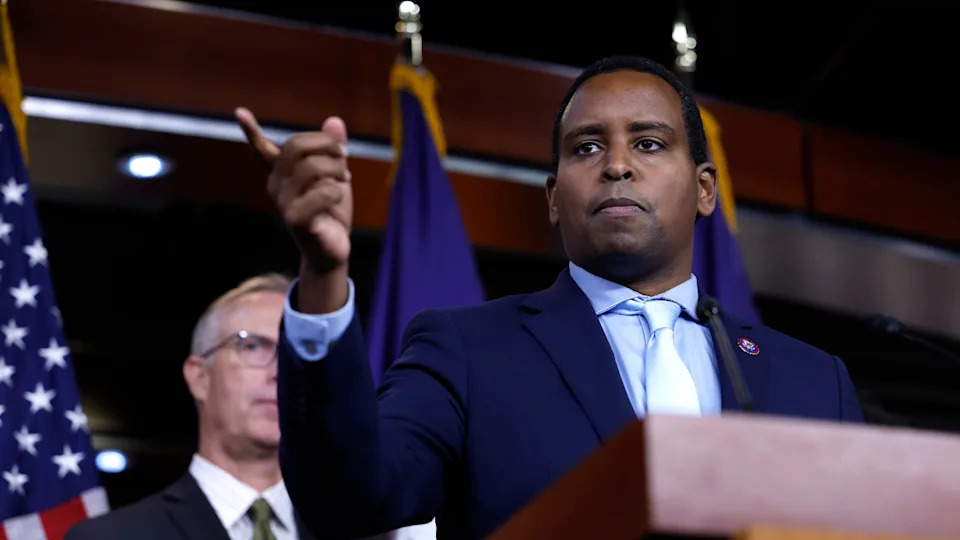
Rep. Joe Neguse speaks during a news conference at the U.S. Capitol on Sept. 19, 2024.
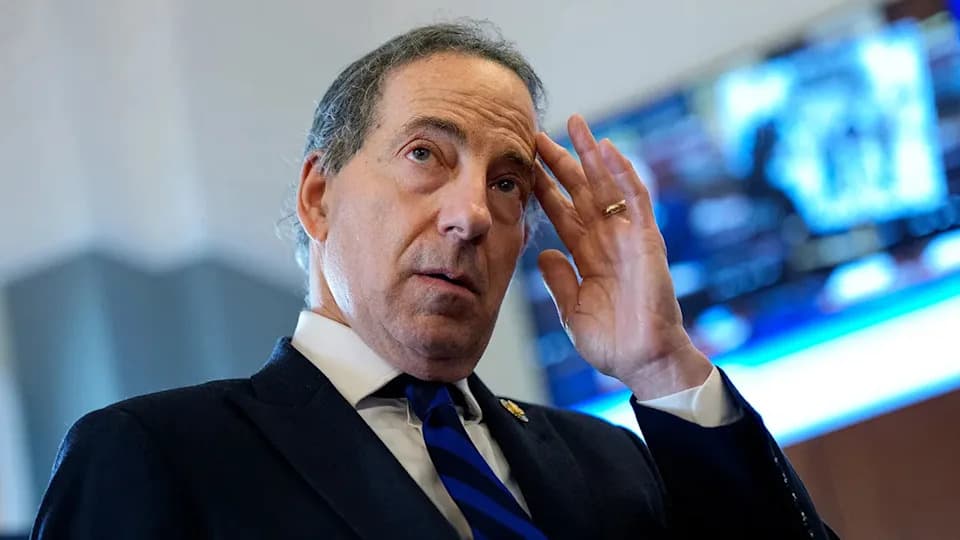
The rule was first adopted last summer and prompted a lawsuit by 13 House Democrats who contend unannounced inspections are essential to conduct "real-time" oversight of detention conditions. Plaintiffs include Rep. Jamie Raskin (D-Md.), Rep. Joe Neguse (D-Colo.), and Rep. Dan Goldman (D-N.Y.). Raskin has publicly described conditions at a recent surprise visit as "disgraceful," citing overcrowding and other concerns.
"Those protocols therefore reasonably balance the need for safe and secure visits with Members’ interest in conducting oversight," the government filing said, adding that other statutes provide DHS and ICE broad discretion to manage detention facilities.
U.S. District Judge Jia Cobb — who has twice enjoined DHS from enforcing the notice requirement — previously ruled the policy caused "irreparable harm" by preventing lawmakers from performing timely oversight, finding the policy was implemented using already-approved funds. In her most recent order, Judge Cobb said that oversight concerns have become more urgent given national attention to ICE enforcement and detention practices.
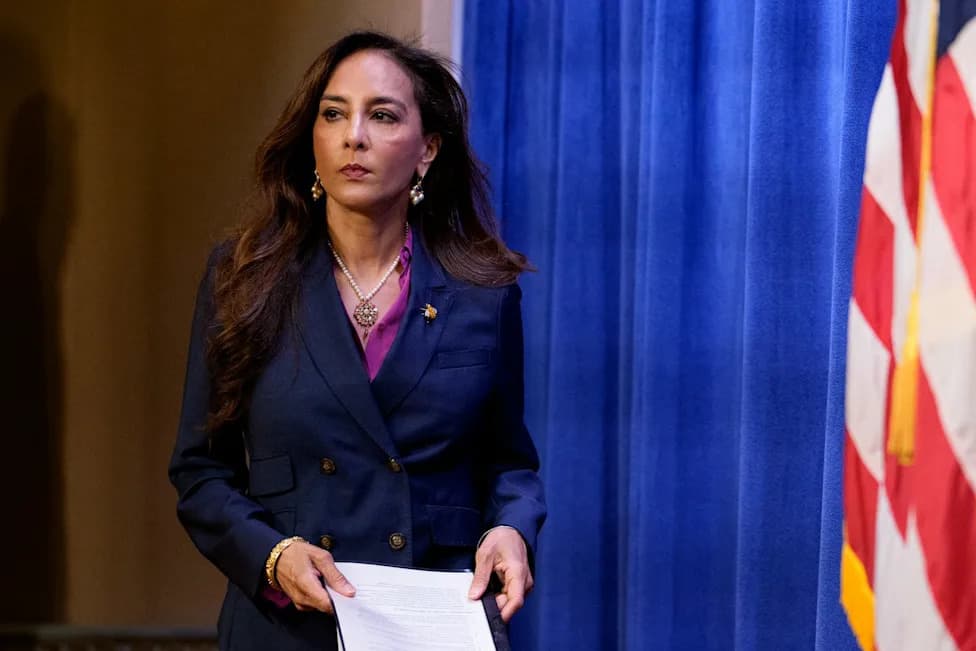
Homeland Security Secretary Kristi Noem speaks during a news conference on July 8, 2025, at Reagan National Airport in Washington.
The partial government shutdown began after Congress failed to reach agreement on DHS funding amid disputes over immigration reforms. The funding lapse has left some DHS components, including TSA and FEMA programs, affected and has forced many employees deemed essential to continue working without pay.
As of the latest filing, Judge Cobb had not yet ruled on DHS's request to reinstate the seven-day advance-notice rule. The court's next decision will determine whether surprise, unannounced congressional inspections of ICE facilities can resume while the funding dispute continues.