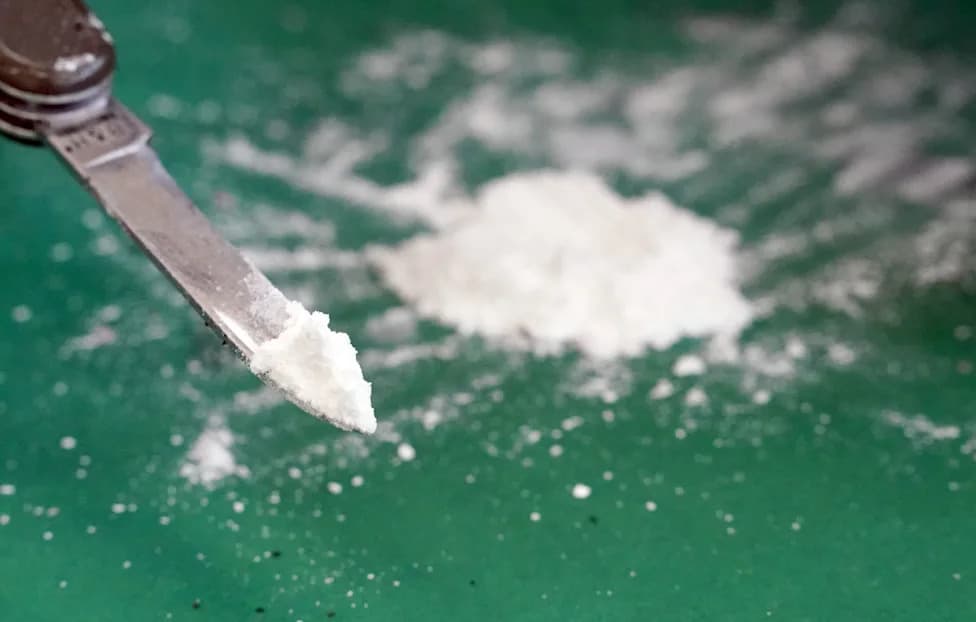
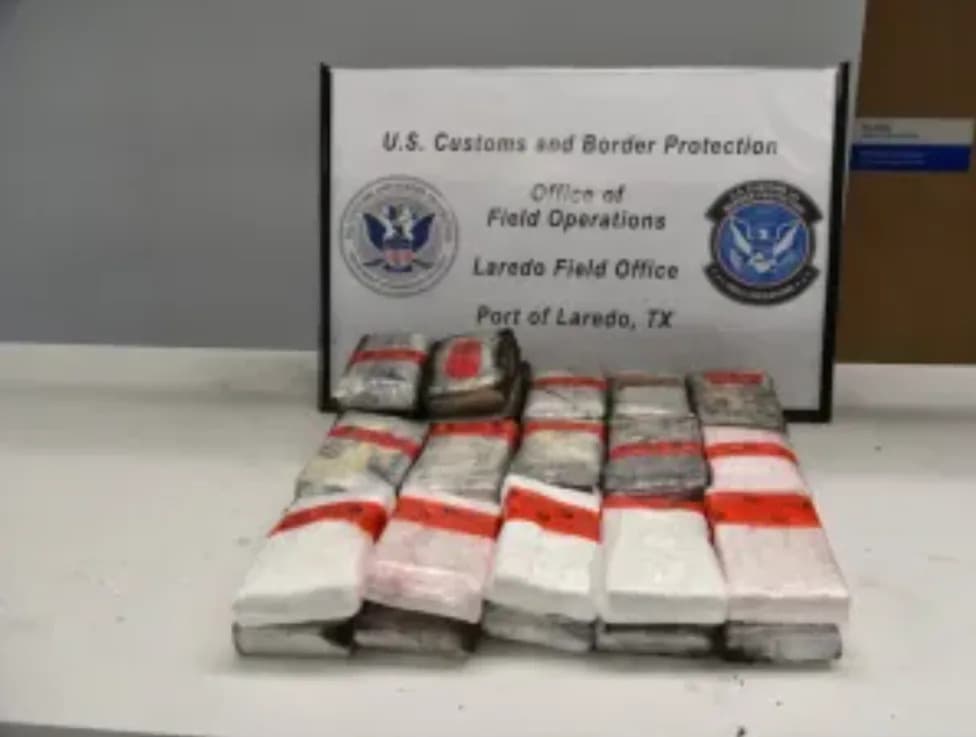
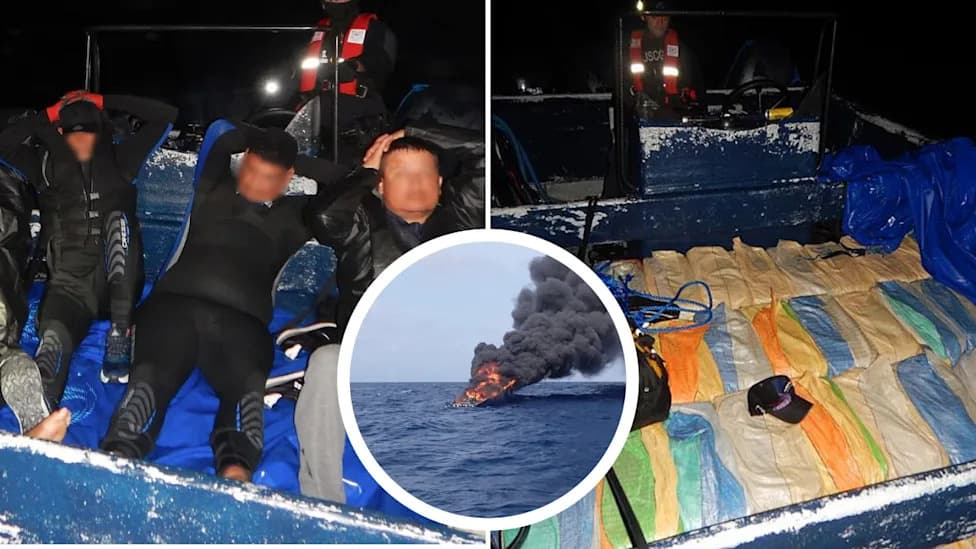
El Salvador’s navy intercepted the FMS Eagle and recovered 330 packages — about 6.6 tons of cocaine — hidden in ballast tanks using a technique called "encaletamiento." President Nayib Bukele called the seizure, valued at roughly $165 million, the largest in the country’s history. Ten suspects from Colombia, Nicaragua, Panama and Ecuador were detained and are being processed. The haul adds to recent multi-ton interdictions in 2024–25 and earlier in 2026, and investigations into the shipment’s origin and route are ongoing.
El Salvador Intercepts Record 6.6 Tons of Cocaine Aboard FMS Eagle, President Calls It Nation’s Largest Seizure
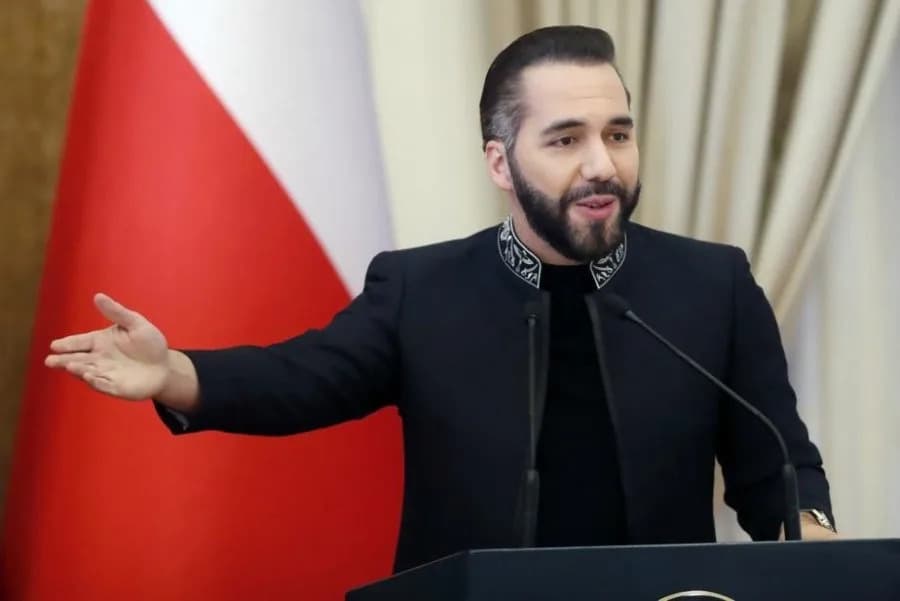
The president of El Salvador, Nayib Bukele, announced Sunday what he called the largest cocaine seizure in the country's history from a supply ship in the Pacific Ocean. Photo by Podrigo Sura/EPA
El Salvador’s government says its navy intercepted a shipment containing about 6.6 tons of cocaine — a haul officials describe as the largest in the country’s history.
The contraband was discovered aboard the multipurpose support vessel FMS Eagle, a 180-foot supply ship registered under the Tanzanian flag. Authorities said 330 packages, collectively estimated at roughly 6.6 metric tons and valued at about $165 million, were hidden in the vessel’s ballast tanks using a concealment method known locally as "encaletamiento." President Nayib Bukele did not disclose the exact date of the interception.
"380 nautical miles southwest of our coast, the ship carrying 330 packages equivalent to 6.6 tons of cocaine in hidden compartments was intercepted," Bukele wrote on X.
Officials said divers from El Salvador’s National Navy inspected the ballast tanks, confirmed the concealment, and recovered the shipment. The operation resulted in the arrest of 10 suspected traffickers: four Colombian nationals, three Nicaraguans, two Panamanians and one Ecuadorian. Authorities said the detainees will be handed over to appropriate judicial and law-enforcement bodies for processing and investigation.
Officials did not specify the intended final destination of the shipment. El Salvador lies along established Pacific maritime routes often used to move cocaine from South America toward North America, and authorities cautioned that investigations into the origin, intended route and possible criminal networks involved are ongoing.
Context and Recent Seizures
The government said this seizure builds on an active streak of interdictions: earlier in 2026, El Salvador reported seizing 2,815 kilograms of cocaine (valued at more than $70 million). Official tallies show authorities recovered more than 25 tons of drugs, predominantly cocaine, in 2025 (estimated value above $618.7 million), and over 17.2 tons in 2024 (valued at about $422.7 million).
President Bukele hailed the operation as "another strong blow against drug trafficking" and made a brief, informal reference of gratitude for new naval equipment used in the operation.
What Happens Next: Prosecutors and maritime investigators will continue processing the suspects and tracing the shipment’s origin and route. The operation underscores the persistence of maritime smuggling techniques such as encaletamiento and the role of naval interdiction in regional drug enforcement efforts.
Help us improve.