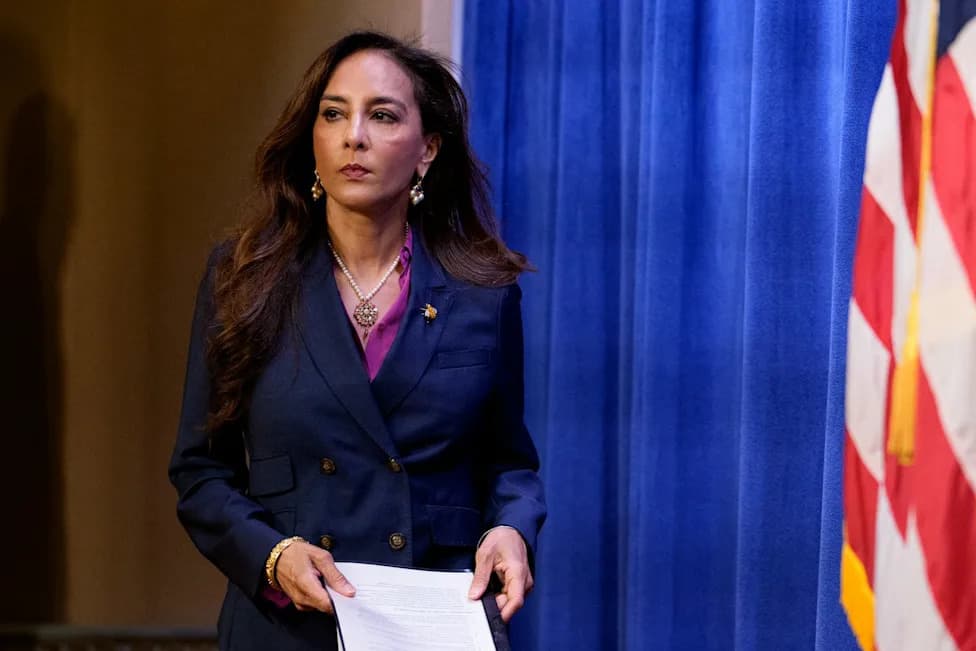
Muhammad Yunus has resigned as Bangladesh’s interim chief adviser to allow a newly elected government to take office after elections on February 12. The BNP, led by Tarique Rahman, won a landslide victory and is due to be sworn in, while voters approved the wide-ranging "July Charter" of democratic reforms in a referendum. EU observers described the vote as credible, but the charter still requires ratification by the incoming parliament amid concerns from several parties.
Muhammad Yunus Steps Down as Interim Chief After BNP Landslide and Referendum
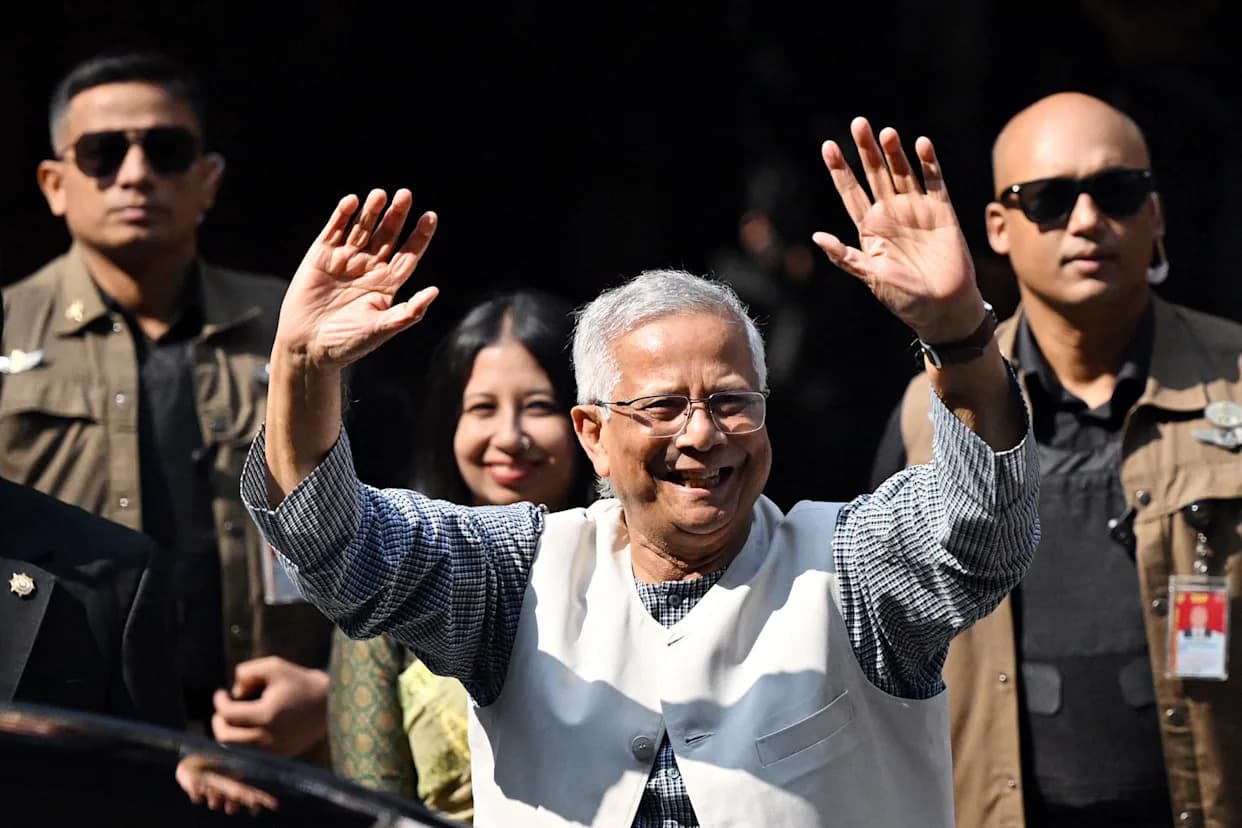
Muhammad Yunus, chief adviser of Bangladesh's outgoing interim government [File: Munir Uz Zamar/AFP]
Muhammad Yunus, the 85-year-old Nobel Peace Prize laureate who served as Bangladesh’s interim chief adviser, announced his resignation in a televised farewell on Monday to allow the newly elected government to assume office.
Transition and Farewell
In his address, Yunus said the interim administration "is stepping down" and urged citizens and political actors to preserve the newly reawakened practices of democracy, freedom of speech, and fundamental rights. Yunus returned from self-imposed exile in August 2024 to oversee a transitional government after a student-led uprising toppled Prime Minister Sheikh Hasina.
Election Results and Incoming Government
Bangladesh held its first general election since the uprising on February 12. The Bangladesh Nationalist Party (BNP), led by Tarique Rahman, won a decisive victory, securing at least 212 of the 300 parliamentary seats. According to Bangladeshi media, Tarique Rahman is set to be sworn in as prime minister when the new government takes office.
The Jamaat-e-Islami party emerged as the main opposition with 77 seats. Sheikh Hasina's Awami League was barred from contesting the election.
Referendum and the "July Charter"
Voters also approved a broad package of democratic reforms in a national referendum. The so-called "July Charter"—named after the month when the uprising began—proposes measures including term limits for prime ministers, creation of an upper house, expanded presidential powers, and strengthened judicial independence. The referendum stated that, if approved, the charter would be "binding on the parties that win" the election, obliging victorious parties to endorse its provisions.
Yunus praised the vote and described it as a foundation for long-term reform: "Sweeping away the ruins, we rebuilt institutions and set the course for reforms." EU observers called the parliamentary election "credible and competently managed."
Next Steps and Challenges
Despite the referendum result, the proposed reforms will require formal ratification by the incoming parliament to take full effect. Several parties raised concerns before the vote, and analysts warn the new government faces the immediate challenges of ensuring good governance, law and order, public safety, and building a rights-based state—key aspirations of the 2024 uprising.
Analyst View: "The challenge now is to ensure good governance, law and order, and public safety, and to establish a rights-based state," said Rezaul Karim Rony, a Dhaka-based political analyst.
Help us improve.