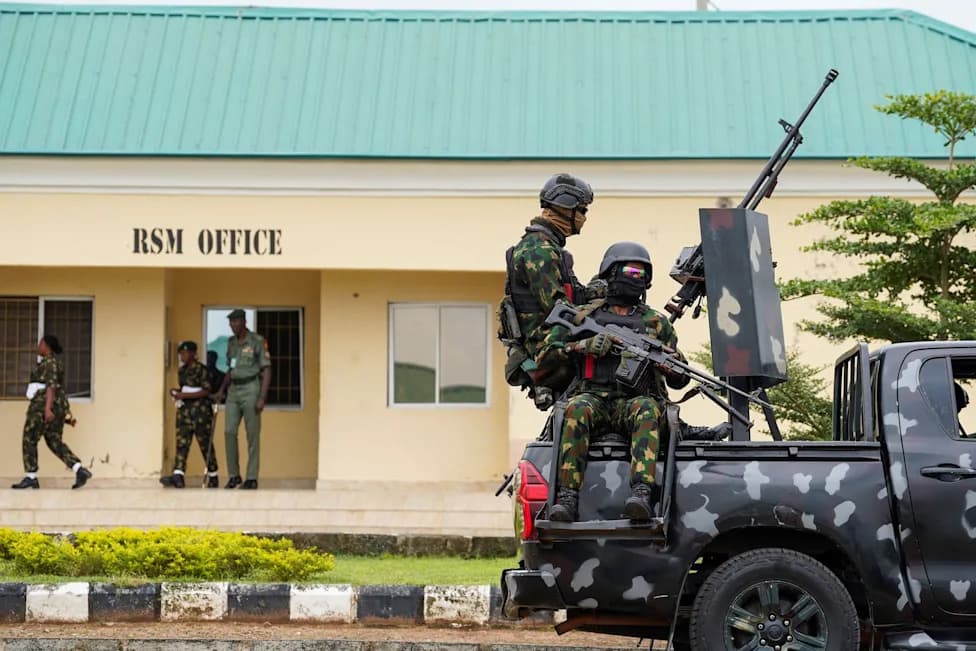
Nigeria’s election season opened after INEC set Feb. 20, 2027, for the presidential vote, while campaigning is already active. President Bola Tinubu, 73, is widely expected to seek reelection; opposition figures Atiku Abubakar and Peter Obi are discussing a possible joint ticket. Lawmakers amended the law to require electronic transmission of polling-station results but allowed paper backups for network failures. INEC chair Joash Amupitan has requested $645 million to run the 2027 polls.
Nigeria Sets Feb. 20, 2027 Presidential Vote as Election Season Begins
Nigeria’s formal election season began after the Independent National Electoral Commission (INEC) announced Feb. 20, 2027, as the date for the presidential vote. Campaigning is already well underway for a contest that will test public support for President Bola Tinubu’s economic reforms and his handling of persistent security challenges.
Key Contenders and a Potential Opposition Coalition
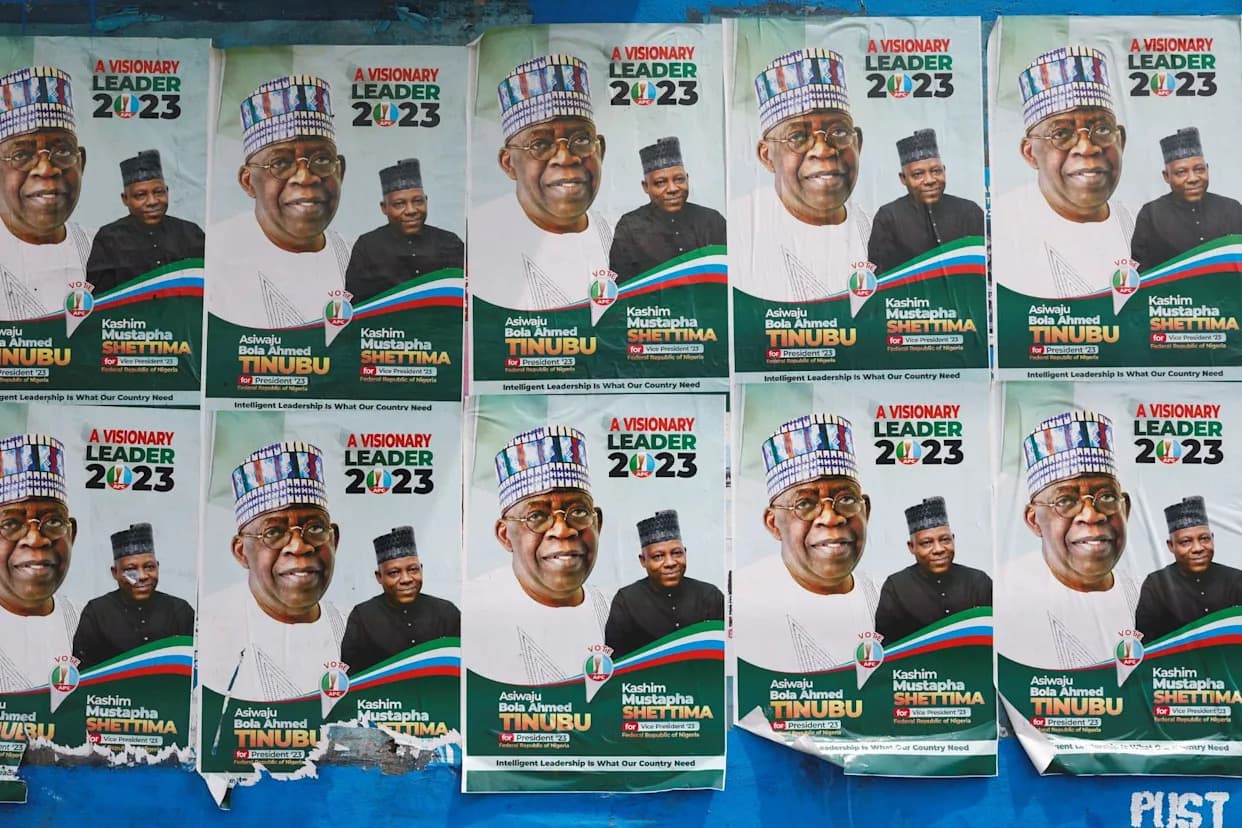
President Bola Tinubu, 73, is widely expected to seek a second term despite not having formally declared his candidacy. Pro-Tinubu posters have been visible in major cities since last year. Tinubu’s 2023 reforms — ending fuel subsidies and removing a currency peg — initially pushed up inflation but have attracted investment and helped revive growth.
Opposition figures including former Vice President Atiku Abubakar and ex-governor Peter Obi are exploring a joint ticket, though it remains unclear who would lead any coalition. Both men are viewed as Tinubu’s strongest challengers going into 2027.
Defections Strengthen The Ruling Party
In recent months at least five state governors and nearly a dozen federal lawmakers from the main opposition Peoples Democratic Party (PDP) have defected to Tinubu’s All Progressives Congress (APC). Notably, governors from major oil-producing states — Rivers, Delta and Akwa Ibom — have switched sides and pledged to support Tinubu, bolstering his position with large regional electorates.
Dispute Over Real-Time Result Transmission
The method for sharing voting results has become a flashpoint. Opposition leaders and civil society groups insist that results from polling stations should be uploaded in real time to INEC’s website to prevent tampering with paper tallies. Peter Obi told protesters: "Election results must be transmitted electronically and in real time to protect the people’s mandate and eliminate manipulation." Lawmakers amended the election law to require electronic transmission but included a proviso allowing paper records as a fallback if networks fail.
Calendar Clash and Other Concerns
Atiku Abubakar has asked lawmakers to review the Feb. 20 date, citing a possible clash with the Muslim holy month of Ramadan, when many voters fast from dawn to dusk. "Choosing a broadly acceptable date should not be mishandled," he said, urging consideration for citizens’ convenience. In addition to the presidential vote, state governorship and legislative elections are scheduled for March 2027.
INEC Preparations and Budget
Joash Amupitan, a law professor appointed by Tinubu, became INEC chairman last October and is overseeing preparations for 2027. INEC has asked parliament to approve a $645 million budget to run the elections. The commission’s record is mixed: it won praise for the 2015 vote that unseated an incumbent but has faced delays and technical glitches, including problems that disrupted timely result transmission in 2023.
Context: Security, Economy and Political Maneuvering
Tinubu has consolidated power by cultivating loyalty among senior party figures and attracting defectors from rivals, strengthening his position heading into next year’s contest. Although the removal of subsidies and other reforms increased living costs and sparked unrest early in his term, strikes and protests failed to force major policy reversals. Rising kidnappings and other security challenges persist, and the U.S. has raised concerns about religiously motivated violence and persecution of Christians in Nigeria.
The opposition coalition led by Abubakar and Obi could still coalesce around a unified strategy; some of its leaders are former Tinubu allies, including Nasir El Rufai, who has urged unity: 'In the past, we opposed some members of the coalition, but now we must come together, forgive one another, and save this country.' The next year will determine whether those efforts translate into a credible electoral challenge.
What To Watch
- Whether Tinubu formally declares his candidacy and how he frames his economic record.
- Whether the Abubakar–Obi talks produce a single ticket and a unified platform.
- How INEC implements electronic result transmission and whether technical or logistical issues recur.
- Any parliamentary response to the Ramadan date concern and finalization of the election calendar.
Help us improve.