
Rep. Nancy Mace (R-S.C.) introduced the 'Illegal Alien Animal Abuser Removal Act of 2026,' which would make undocumented immigrants convicted of animal cruelty inadmissible and subject to deportation. The bill covers convictions under state, tribal, local and certain federal animal-welfare laws, and also allows admissions of such conduct to trigger inadmissibility. Mace said animal cruelty is a warning sign of broader violence and framed the measure as protecting the voiceless.
Rep. Nancy Mace Introduces Bill To Deport Undocumented Immigrants Convicted Of Animal Cruelty
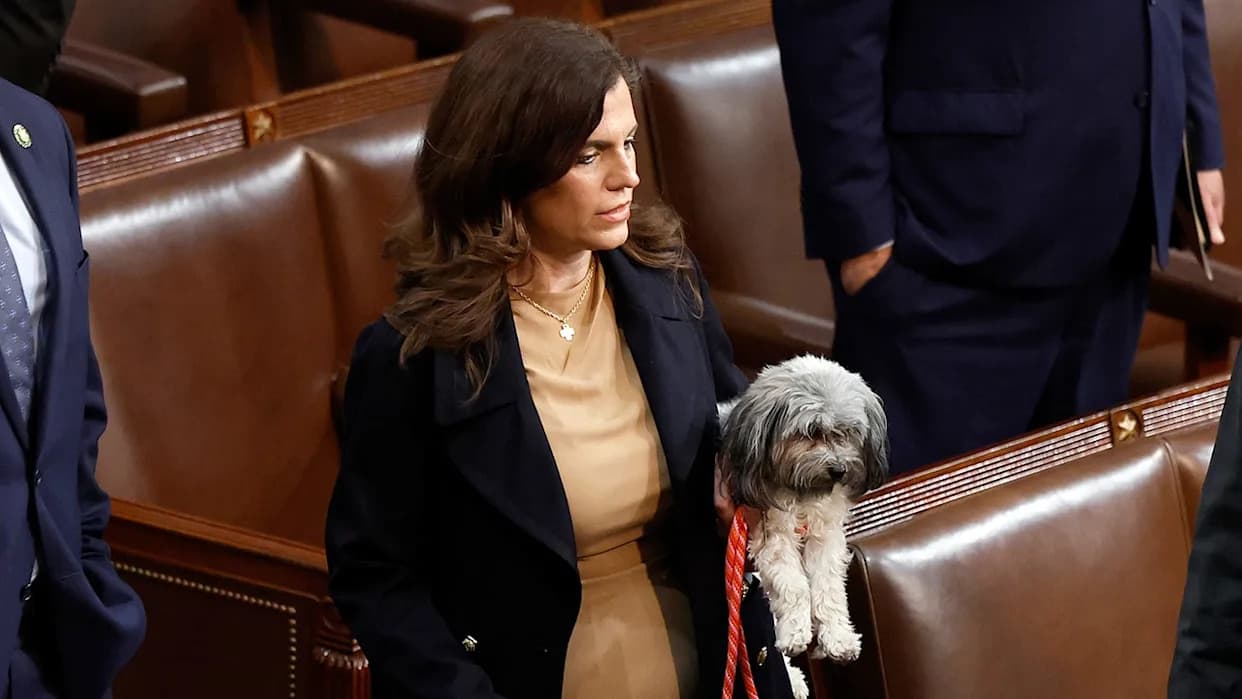
Nancy Mace proposes bill to make aliens deportable, inadmissible for animal cruelty
Republican Rep. Nancy Mace of South Carolina has introduced legislation titled the 'Illegal Alien Animal Abuser Removal Act of 2026' that would make undocumented immigrants convicted of animal cruelty inadmissible to the United States and subject to deportation.
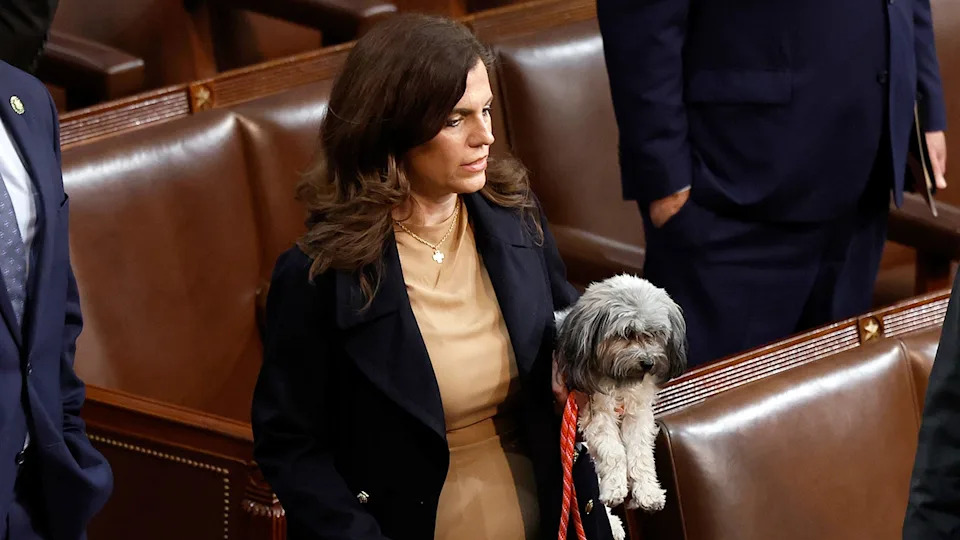
Nancy Mace holds a dog on Jan. 5, 2023 in Washington, D.C.(Getty Images)
What The Bill Proposes
Under the proposal, an alien convicted under state, tribal or local laws for animal cruelty, abuse or animal fighting would be considered inadmissible and subject to removal. The bill also specifies that convictions under certain federal animal-welfare statutes would carry the same immigration consequences. Additionally, an alien who admits to conduct that would constitute such offenses could also be deemed inadmissible.

Nancy Mace holds a dog as she casts her vote to adjourn in the House Chamber during the third day of elections for Speaker of the House at the U.S. Capitol Building on Jan. 5, 2023 in Washington, D.C.
Lawmaker's Rationale
'If you come here illegally, you’re already a criminal. Add animal cruelty to the list and you’re on the next flight back to where you came from,' Mace said in a press release.
'We have a duty to protect the voiceless from torture and abuse. Animal cruelty is a proven red flag for violence against people. These criminals escalate. Our bill makes it crystal clear: commit these sick acts and you're deported. Immediately. No second chances,' she added.
Mace, who has served in the U.S. House since 2021, is also campaigning for governor of South Carolina. She framed the measure as part of an effort to protect animals and public safety.

Rep. Nancy Mace, R-S.C., and her dog Liberty are seen in the U.S. Capitol on Wednesday, May 24, 2023.
Potential Impact And Questions
Supporters say the measure would remove dangerous offenders from U.S. communities and close a perceived enforcement gap. Critics and legal observers may question how the bill would be applied across differing state and tribal animal-cruelty statutes, how admissions would be verified, and whether the measure could face due-process or constitutional challenges. The bill's legislative progress, possible amendments and any legal contests remain uncertain.
Note: The text above summarizes the bill and statements from Rep. Mace's press release; observers should consult the bill language for specific legal definitions and enforcement mechanisms.
Help us improve.





















