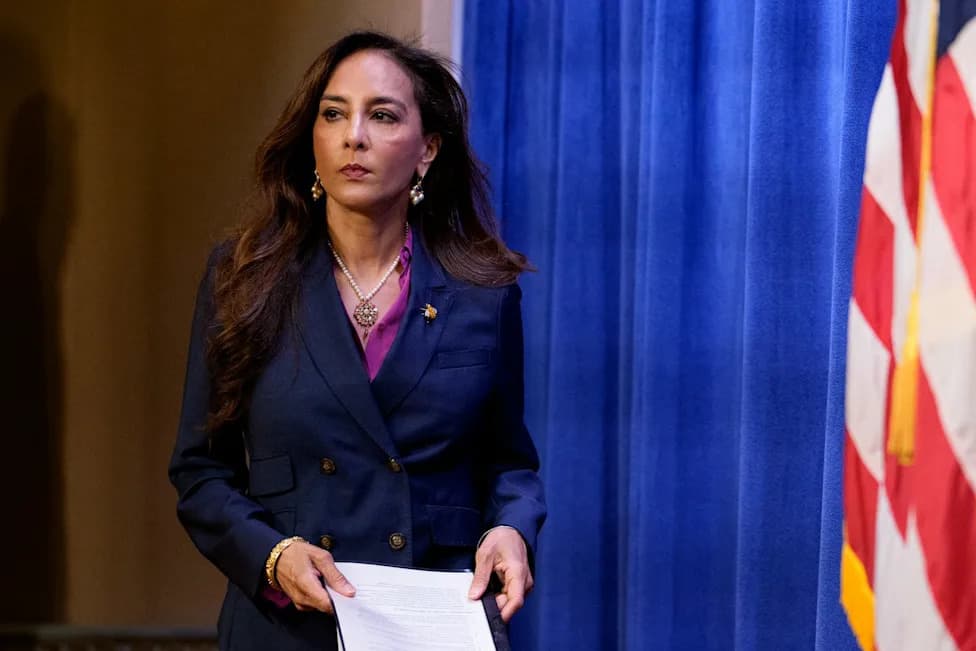
The recent ouster of DOJ antitrust chief Gail Slater highlights a retreat from an ambitious U.S. campaign to curb Big Tech. What began as a populist, free-speech-driven push against platform moderation ran into practical limits: many Biden-era cases were settled or dropped, internal frictions emerged, and the White House has signaled a preference for deal-making over long legal fights. As a result, U.S. enforcement has narrowed to traditional Big Tech remedies while activists increasingly look to Europe’s Digital Markets Act for structural reforms.
Why the White House Backed Off a Big-Tech Antitrust Showdown — And What Comes Next

The abrupt unraveling of the Justice Department’s antitrust shop — capped last week by the forced departure of its chief, Gail Slater, days after her deputy resigned — reflects a broader retreat from an ambitious campaign to rein in Big Tech. The story, the article argues, begins on Inauguration Day, when the leaders of Google, Meta and Amazon stood beside President Trump, and it centers on Republican concerns about online censorship more than a sustained crusade against corporate power.
Populist Politics And Platform Censorship
For many on the right — from Donald Trump to figures such as Robert F. Kennedy Jr., Stephen Miller and Sebastian Gorka — removal from major social platforms was a formative political grievance. That intensity helps explain why antitrust was embraced by some as a lever to limit platforms’ ability to moderate speech: the platforms became powerful gatekeepers because of their unprecedented scale.
The Promise—and The Mirage—Of A New Antitrust Push
Bipartisan skepticism of corporate consolidation has recurred in American politics, and the most recent wave drew energy from the Great Financial Crisis, Occupy Wall Street and the Tea Party. Over time, voices in both parties advocated a neo-Brandeis approach to antitrust, evaluating mergers and market concentration not only through consumer-price effects but through the broader harms of centralized power.
By 2023, unlikely alliances seemed possible: Politico even described Senators J.D. Vance and Elizabeth Warren as a "new power couple" on Wall Street issues, and Vance praised FTC Chair Lina Khan. That fusion of anti-corporate rhetoric and free-speech grievances made Slater’s nomination—announced in sweeping anti–Big Tech terms—feel like confirmation that a populist enforcement era might be beginning.
Rhetoric vs. Reality
But the actual litigation and enforcement patterns did not match the rhetoric. Several high-profile Biden-era cases were quickly settled or dropped, and well-connected consultants sometimes helped clients negotiate settlements that bypassed the antitrust division — dynamics that contributed to internal friction and to Slater’s exit.
Administration explanations for the personnel moves were mixed and, at times, evasive. Some accounts labeled the change an "affordability" measure or criticized official travel without noting the context. Observers, including Semafor Business editor Liz Hoffman, interpreted the shift more bluntly: the White House’s priorities now favor deal-making over prolonged legal fights.
Where Antitrust Stands Now
Enforcement has narrowed back toward traditional antitrust questions around Big Tech. The Justice Department is pressing for tougher remedies in a case alleging a Google advertising monopoly, for example, and other broad anti-consolidation ambitions appear to have lost momentum.
Part of the political calculus is simple: when platforms’ stance on moderation softened after changes at X and in approaches by Meta and YouTube — and as leverage around apps like TikTok evolved — the immediate political driver for aggressive U.S. action diminished. That left the White House focused on narrower fights over media and platform bias, such as the FTC’s scrutiny of Apple News.
Europe’s Digital Markets Act And The Road Ahead
With U.S. appetite for a sweeping antitrust campaign cooled, many activists and some tech-industry reformers now look to Europe. The EU’s Digital Markets Act (DMA) offers a structural approach to limiting gatekeeper power and has become a focal point for those seeking durable change.
“The Digital Markets Act stands apart from some of the stereotypes — it really is about ensuring that companies like Apple and Google are not choking off all the oxygen,” said Luther Lowe, a Y Combinator executive who leads a Little Tech coalition.
Whether future U.S. policy will pivot back to a broader anti-consolidation agenda depends on political incentives and whether concern about content moderation returns as a pressing, visible issue. For now, the combination of management turmoil at the DOJ, strategic deal-making from the White House and shifting platform behavior has narrowed the scope of antitrust action in Washington — even as Europe moves forward with stricter structural rules.
Help us improve.