The Israeli government approved restarting a land-registration process in the occupied West Bank that would label parcels as 'state property', reviving procedures frozen since 1967. Palestinian leaders, Hamas and several regional states called the move an illegal 'escalation' and 'de facto annexation'. The OIC and EU urged reversal, while Israel says the measure aims to clarify land rights and resolve disputes. International actors are being urged to intervene.
‘Dangerous Escalation’: Region and International Community Condemn Israel’s West Bank Land-Registration Move

Israeli soldiers during a raid in the Old City of Hebron, in the southern occupied West Bank on February 14, 2026 [Wisam Hashlamoun/Anadolu]
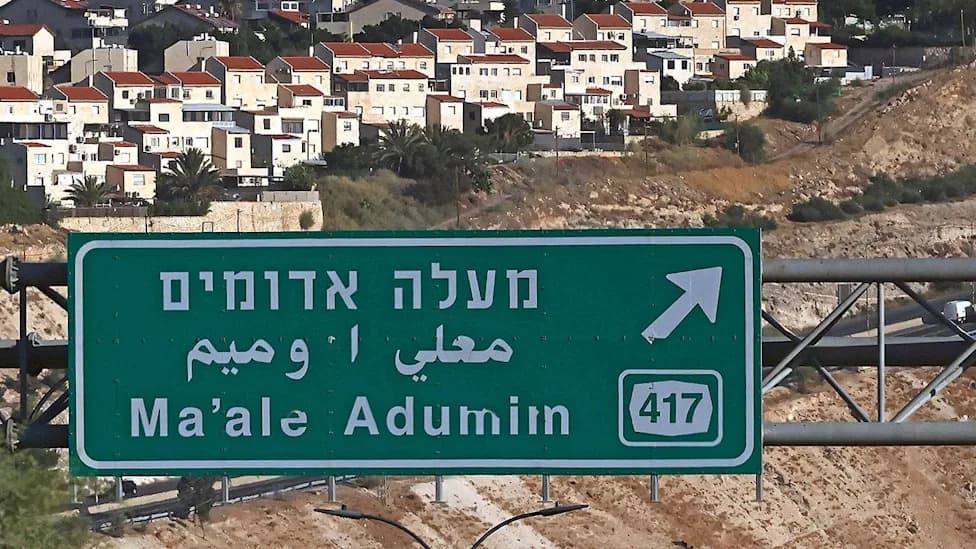
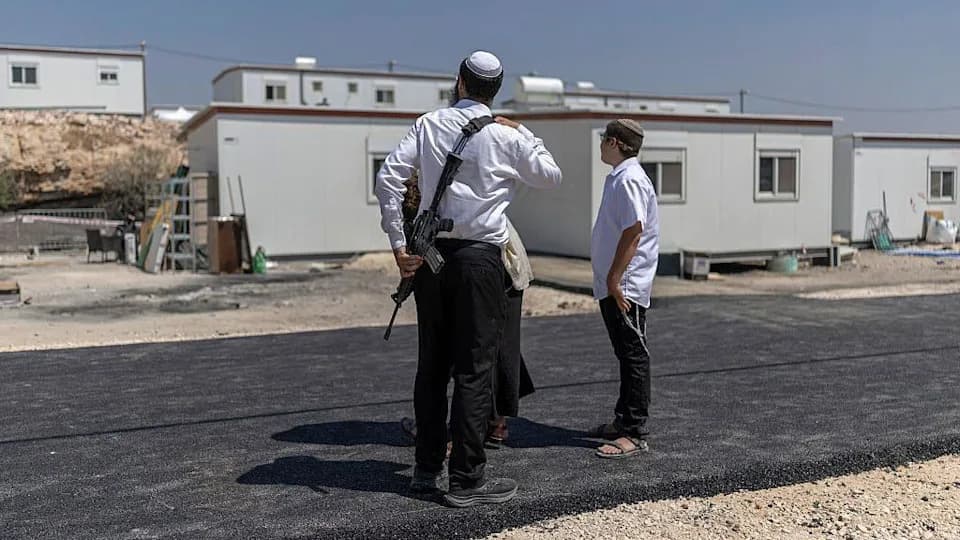
The Israeli government has approved resuming a land registration process in the occupied West Bank that would designate parcels as 'state property', reviving procedures frozen since Israel occupied the territory in 1967. The decision has prompted widespread condemnation from Palestinian authorities, regional states and international organisations.
Government Rationale
Israel's Ministry of Foreign Affairs said the measure would allow a 'transparent and thorough clarification of rights to resolve legal disputes' and was necessary to address alleged unlawful land registrations in areas administered by the Palestinian Authority (PA). The move restores the 'settlement of land title' procedures that have been suspended for decades.
Immediate Reactions
The Palestinian presidency called the decision a 'grave escalation and a flagrant violation of international law' amounting to 'de facto annexation' and urged urgent intervention by the United States, the United Nations and the broader international community. Hamas denounced the step as an attempt 'to steal and Judaise lands in the occupied West Bank' by registering them as so-called 'state lands', calling the decision 'null and void' and issued by an illegitimate occupying power.
Regional and International Condemnation
Multiple regional governments voiced strong objections. Egypt described the move as a 'dangerous escalation aimed at consolidating Israeli control over the occupied Palestinian territories.' Qatar called it an 'extension of illegal plans to deprive the Palestinian people of their rights' and urged international solidarity to pressure Israel to halt the decision. Jordan appealed to the international community to assume its 'legal and moral responsibilities' and compel Israel to stop what it called a dangerous escalation.
Saudi Arabia warned the measure would impose a 'new legal and administrative reality' that undermines efforts for peace and stability, stressing there is no Israeli sovereignty over the occupied Palestinian territories. Kuwait called the decision 'null and void' and urged the global community to deter such violations. Pakistan condemned the attempt to convert parts of the West Bank into 'so-called state property' and urged concrete measures to end perceived Israeli impunity.
The Jeddah-based Organisation of Islamic Cooperation (OIC) likened the decision to 'colonial measures' that threaten the existence and rights of the Palestinian people, including their right to self-determination and to an independent state within the pre-1967 borders with East Jerusalem as its capital. The European Union urged Israel to reverse the approval, calling it 'a new escalation' and reiterating that annexation is illegal under international law.
Implications
Critics say the measure risks deepening tensions, undermining the two-state solution and complicating diplomatic efforts. Supporters within Israel argue the step is a legal tool to clarify land ownership and resolve disputes. The international community now faces calls to respond, with many actors urging immediate diplomatic pressure to halt implementation.
Bottom line: The decision to resume land registration in the West Bank has rekindled sharp regional and international criticism and heightened concerns about the future of the two-state solution.
Help us improve.