Therapists say followers often feel anger and betrayal when influencers remain silent or neutral during major social crises because parasocial attachments create expectations of reciprocity and shared values. Silence can be read as complicity or privilege, especially amid allegations of abuse involving U.S. Immigration and Customs Enforcement (ICE). Clinicians stress that influencers trade attention and support for influence, and many audiences now expect creators to use their platforms in solidarity. The current outrage also reflects broader, racialized patterns of violence and uneven public recognition of victims.
Experts Say It's 'Extremely Disappointing' When Creators Stay Silent On ICE — Why Followers Feel Betrayed
Nurphoto / Getty Images
Therapists say it is understandable to feel anger and disappointment when influencers you follow remain silent or offer only neutral statements during moments of widespread public harm — even if you do not personally know them. Many followers form deep parasocial attachments to creators and come to expect shared values and reciprocal support.
Samuel Corum / Getty Images
Why Silence Feels Like Betrayal
Emma Shandy Anway, a licensed marriage and family therapist in California and owner of ESA Counseling Services, explained that relationships with influencers can function like parasocial attachments: 'These are people that we don't really actually know, but we trust them and we admire them.' When a creator who has been present through life milestones suddenly goes quiet amid crisis, followers can feel relationally abandoned.
Stephen Maturen / Getty Images
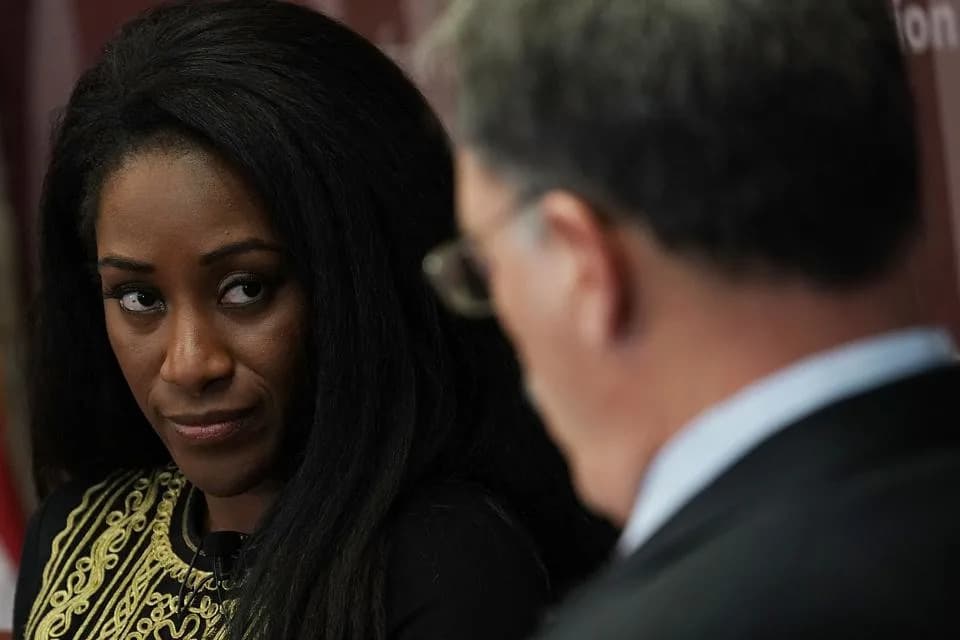
'Neutrality and silence can be read as an implicit alignment with power,' said Meghan Watson, founder and clinical director of Bloom Psychology & Wellness in Toronto.
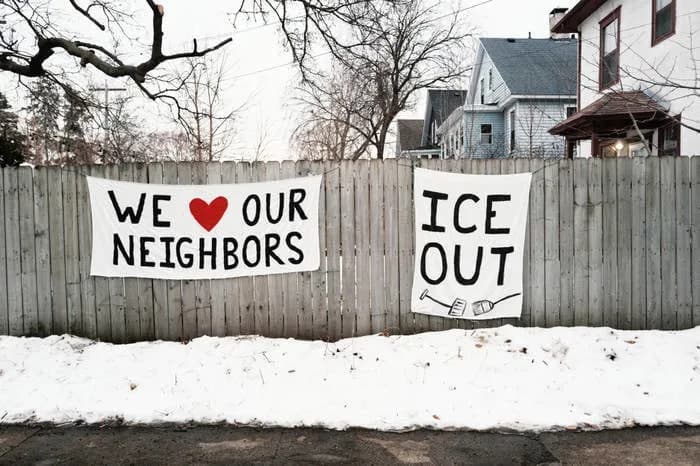
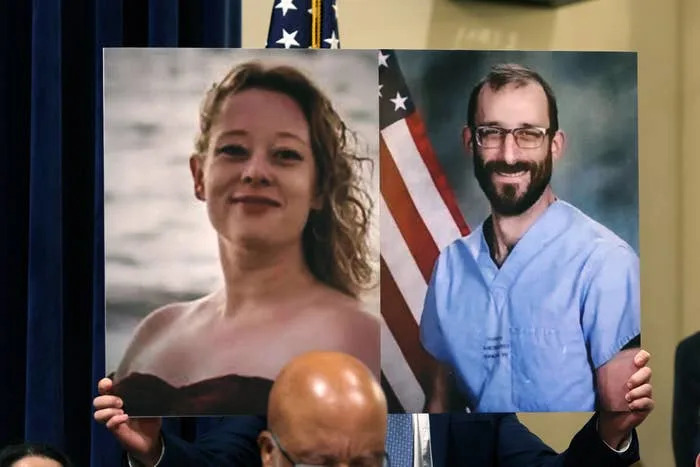
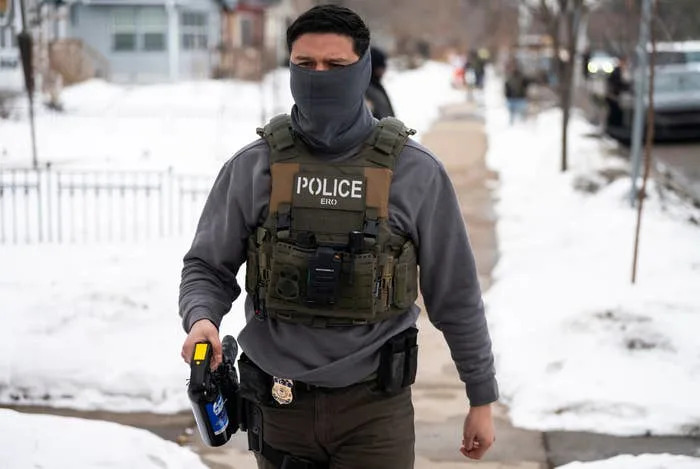
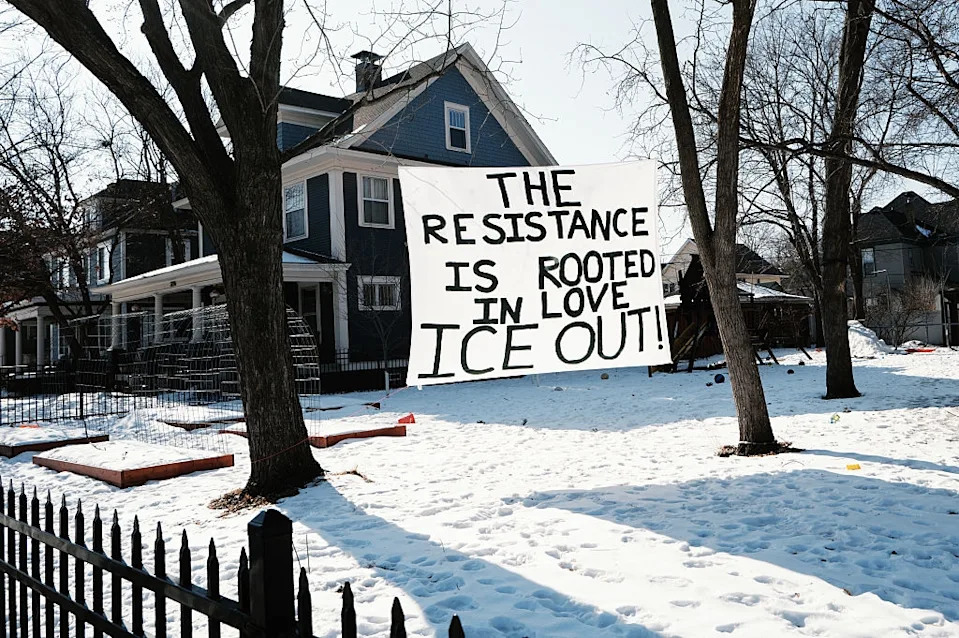
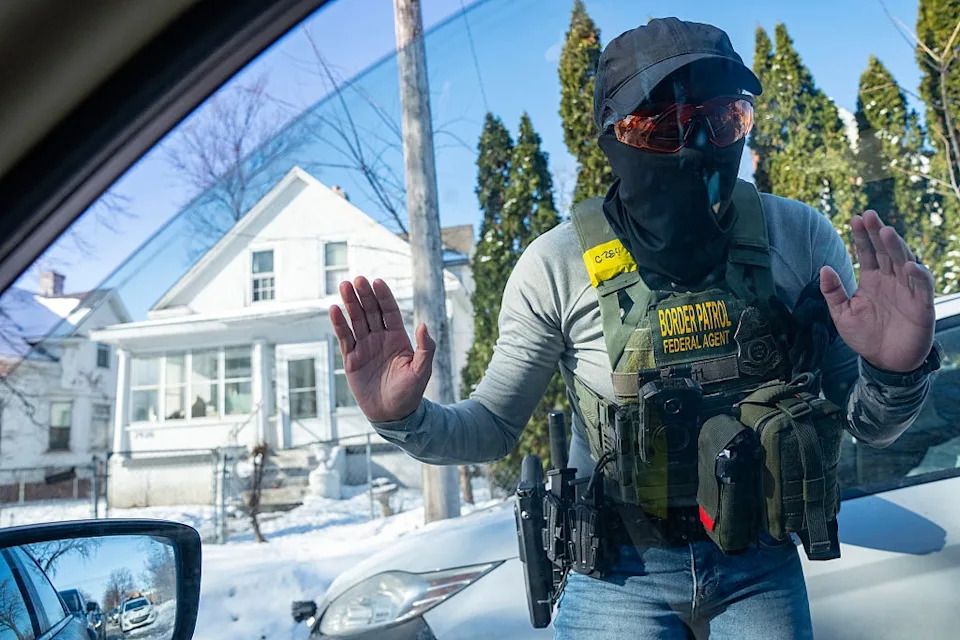
Watson pointed to recent allegations of abuse involving U.S. Immigration and Customs Enforcement (ICE) and Border Patrol, saying these incidents have intensified expectations that public figures should speak out. 'When you are silent, that implicit alignment with the power ... is, I think, anger-inducing to a lot of people,' she said.
NurPhoto / NurPhoto via Getty Images
Why Neutrality Often Isn’t Enough
Therapists note that many influencers present themselves as transparent about personal details — relationships, skincare routines, even health struggles. Emma Mahony, a therapist who works with patients in Pennsylvania and the U.K., said selective silence on pressing social matters can feel like a betrayal of that expected openness.

Star Tribune via Getty Images
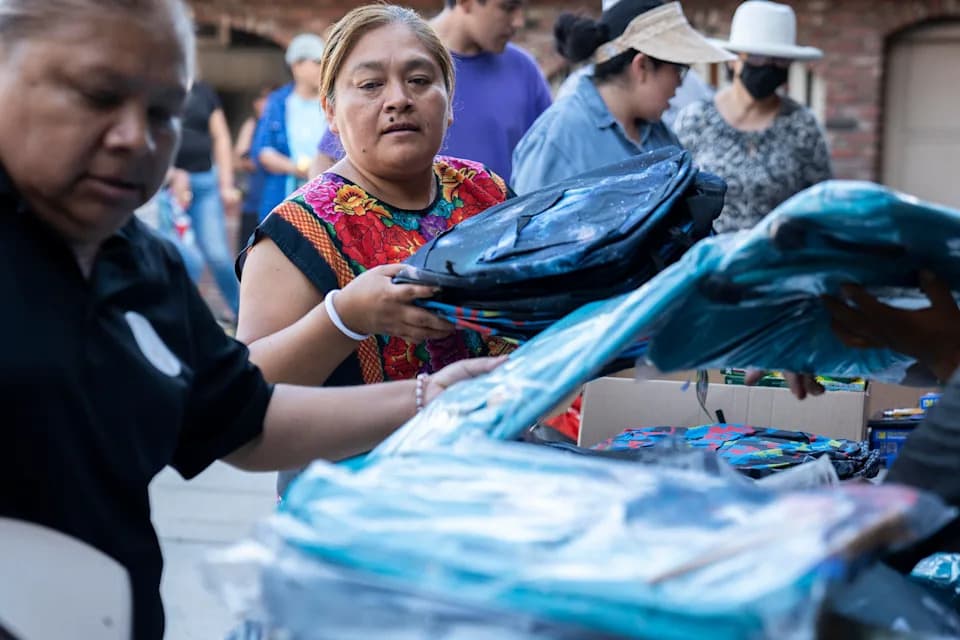
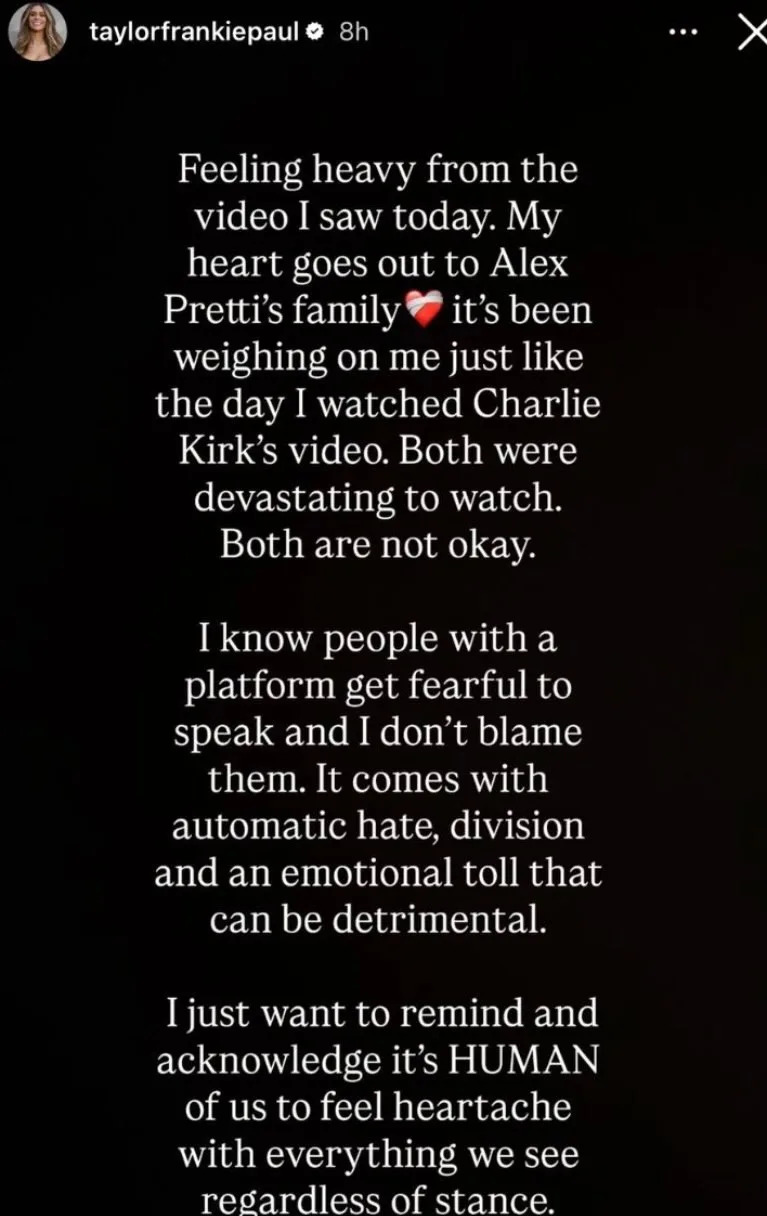
Some creators try to remain 'neutral' or say they avoid politics to keep their feeds joyful. Clinicians warn that neutrality often reflects privilege: it signals that the speaker is not at personal risk and can afford emotional distance from harm. For people dealing with detention, deportation, family separation or targeted violence, seeing neutral or promotional posts can be jarring and painful.
Taylor Frankie Paul
Influence Is A Two-Way Exchange
Therapists emphasize that influencer careers rely on a community of followers who provide attention, time and sometimes money. 'These are people whose careers and followings have benefited off of community ... but when it comes to that person showing collective support back to other people, some are unwilling to do that,' Mahony said.
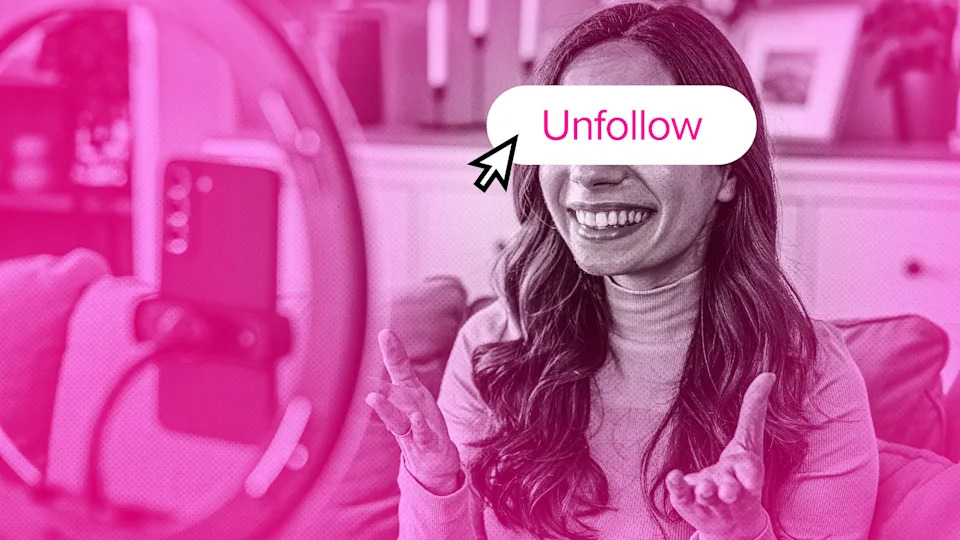
Illustration: HuffPost; Photos: Getty
Watson described influencer work as a forum of reciprocity: creators trade taste, knowledge and visibility for support from their audiences. Accepting that exchange often comes with expectations that the creator will use their platform in moments when their community seeks solidarity.
Star Tribune via Getty Images
Context Matters: Patterns Of Racialized Violence
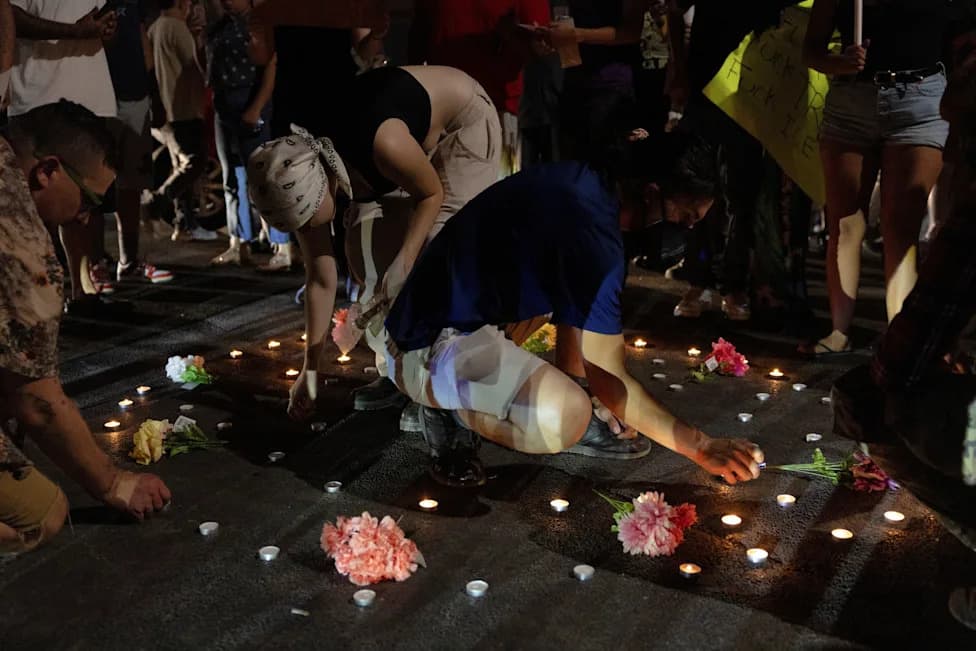
Clinicians also urged audiences to consider the broader historical and racial context. Watson, who is Black, said many people of color are not surprised by patterns of state violence that others now find shocking. She noted that some victims, such as Keith Porter — a Black man killed by an off-duty ICE officer on New Year's Eve — have received far less public attention than others, highlighting inconsistent recognition of victims across racial lines.
Watson added that demanding creators speak out is not only about this moment; it reflects longer-standing expectations that those with influence participate in building a more just society.
What Followers Can Expect
Therapists acknowledge that not every creator will or should comment on every issue, but they say silence and performative neutrality have real relational consequences. For many followers, the outrage combines anger, grief and a sense of a values mismatch. That reaction often leads people to reassess trust and authenticity in the creators they follow.
Note: This article references reporting and commentary on allegations involving ICE, Border Patrol and named victims. The emotional and political responses described reflect clinicians' perspectives on public expectations of influencers.
Help us improve.