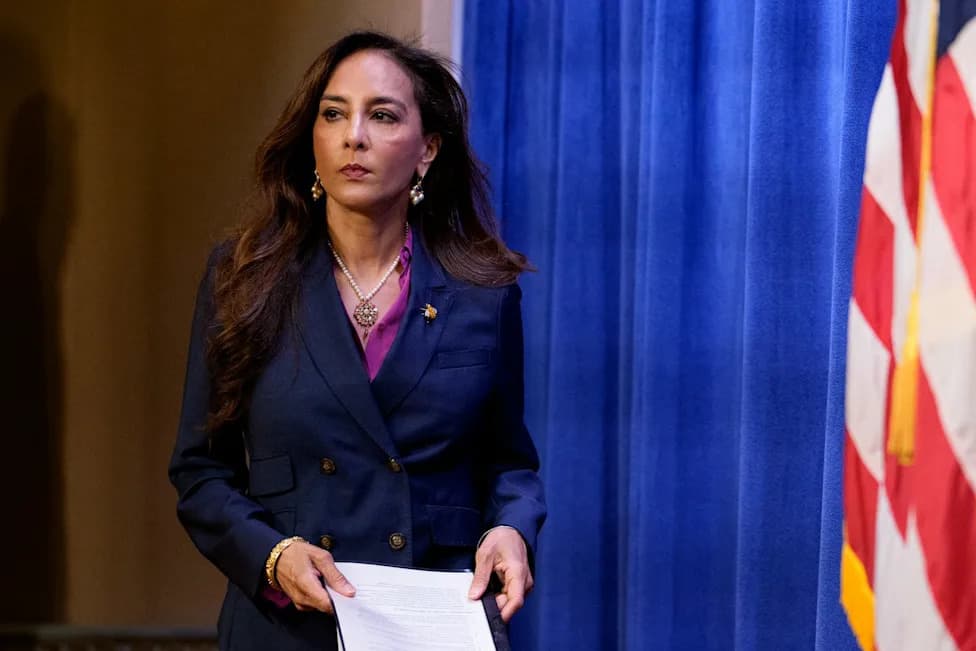
Rep. Thomas Massie said he has lost confidence in former Florida Attorney General Pam Bondi after a heated House Judiciary Committee hearing over the Justice Department’s release and redaction of Jeffrey Epstein–related files. Lawmakers, including Massie and Rep. Ro Khanna, say unredacted records show Leslie Wexner’s name repeatedly and could explain why he was not prosecuted. Bondi cited deliberative-process privilege in a required report to Congress—a justification Massie says conflicts with the Transparency Act’s mandate to release internal deliberations.
Massie Says He’s Lost Confidence In Pam Bondi After Contentious Epstein Hearing
Rep. Thomas Massie (R-Ky.) said Sunday that he has lost confidence in former Florida Attorney General Pam Bondi following a combative House Judiciary Committee hearing about the Justice Department’s handling of files related to convicted sex offender Jeffrey Epstein.
Hearing Highlights
Massie, who co-authored the Epstein Files Transparency Act with Rep. Ro Khanna (D-Calif.), told ABC’s This Week host Martha Raddatz that Bondi failed to provide substantive answers during her Wednesday testimony. “I don't think Pam Bondi has confidence in Pam Bondi,” Massie said. “She wasn't confident enough to engage in anything but name-calling in a hearing. And so no, I don't have confidence in her.”
Lawmakers say Bondi repeatedly declined to answer questions about the Justice Department’s public release of millions of documents tied to Epstein, and that she often responded with personal attacks. When pressed about redactions that appeared to conflict with the transparency law Congress passed last year, Bondi reportedly called Massie a “failed politician” and accused him of having “Trump derangement syndrome.”
Redactions, Wexner And The Epstein Files
Massie and Khanna said that after reviewing unredacted records at the Justice Department, they discovered billionaire Leslie Wexner’s name appears hundreds of times across the files. Wexner was one of six “wealthy, powerful men” whose names were initially redacted, the lawmakers said. The DOJ later restored Wexner’s name on a 2019 FBI document that listed potential “co-conspirators,” including Ghislaine Maxwell, who is serving a 20-year sentence for child sex trafficking.
Wexner has long maintained he severed ties with Epstein decades ago and cooperated with investigators. A legal representative said an Assistant U.S. Attorney told Wexner’s counsel in 2019 that he was treated as a source of information and not a target.
Massie argues that unredacted prosecutorial and investigative records could clarify why prosecutors did not pursue charges against Wexner and could shed light on Epstein’s controversial 2008 plea deal that allowed him to avoid broader federal charges by pleading to lesser state offenses in Florida.
Bondi's Report And Legal Justifications
On Saturday, Bondi submitted a report to Congress required under the Epstein Files Transparency Act. The law requires the DOJ to summarize all redactions, provide legal justifications, and list government officials named in the documents. In her letter, Bondi cited "deliberative-process privilege," a common-law doctrine that can be used to withhold internal deliberations and decision-making documents.
Massie responded that the Transparency Act—authored by him and Khanna—explicitly requires release of internal memos, notes and emails related to decisions about whether to investigate or prosecute. He said lawmakers need access to those materials to trace the decision-making that led to outcomes such as the handling of Wexner.
Survivors And Congressional Reaction
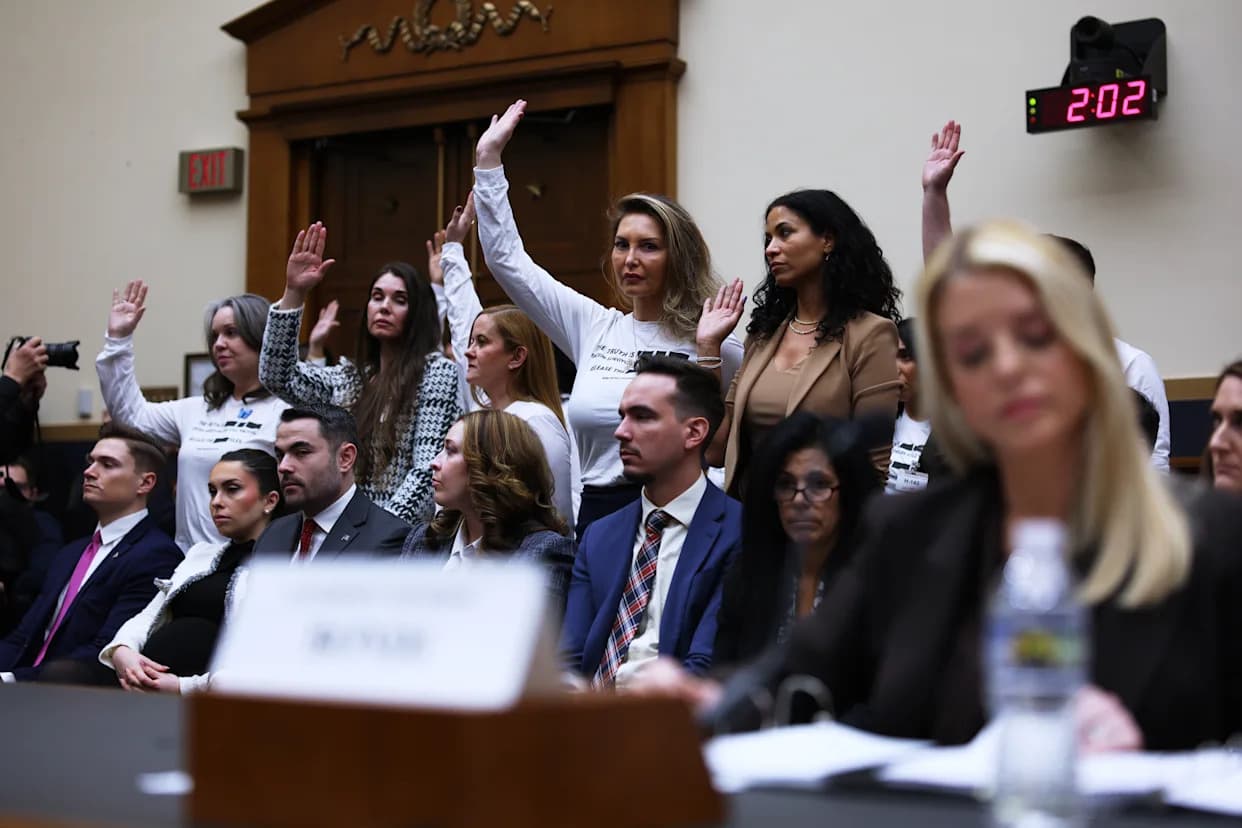
Massie also criticized Bondi for refusing to turn and face survivors of Epstein’s abuse who attended the hearing. Rep. Pramila Jayapal (D-Wash.) asked Bondi to turn and apologize for what the Justice Department’s handling had put survivors through; Bondi replied, “I’m not going to get in the gutter for her theatrics.” When Jayapal asked survivors whether they had been able to meet with Justice Department officials to share their stories, each raised a hand to indicate they had not.
“I think that was kind of cold on her part. I think she was afraid to,” Massie said. “These survivors would love to have a meeting. It's not about Bill Clinton, and it's not about Donald Trump. This Epstein Files Transparency Act was about getting these survivors justice.”
The hearing and subsequent report highlight ongoing tensions between congressional oversight efforts and the Justice Department’s use of privileges to withhold records. Lawmakers pressing for transparency say unredacted materials are essential to understanding prosecutorial decisions in the Epstein case.
Help us improve.