Young people in Karachi are turning to alcohol-free, early-ending events that combine DJs, sport facilities and cafes, creating visible and licensed alternatives to underground parties. Organisers such as 12xperience run government-approved gatherings with crowd caps and camera or drone monitoring to enforce no-alcohol rules. Market data show strong growth in soft and hot drinks, while women-only nights and safety measures make these events especially popular among young urban Pakistanis.
Sober Raves Reshape Karachi Nightlife: Gen Z Chooses Alcohol-Free, Early-Ending Parties
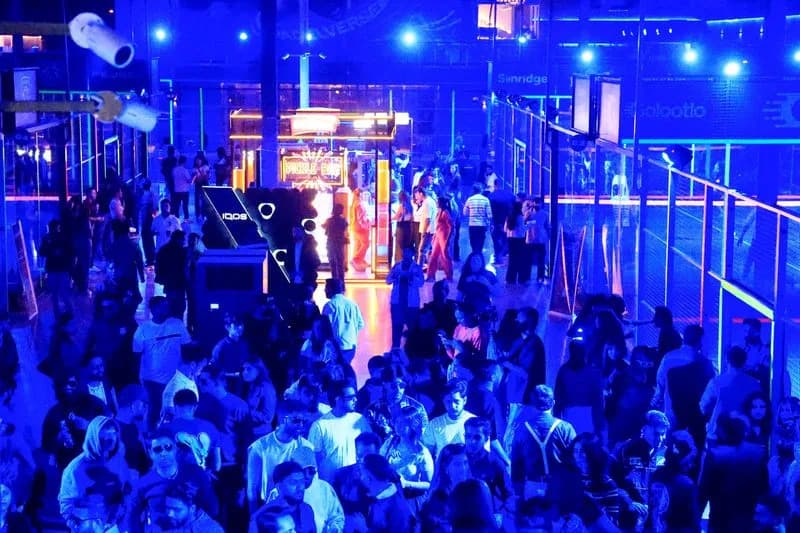
Participants dance to music amid a shower of neon light during a neon padel party, organised by 12xperience, at Padelverse in Karachi, Pakistan, November 29, 2025. REUTERS/Akhtar Soomro
Under neon lights at an indoor sports club in Karachi, twenty-somethings moved between glowing courts and a DJ booth, dancing with coffee cups and iced tea in hand. No alcohol, no drugs, and music that stops early: a new kind of nightlife is taking hold.
Party Without the Pour
Increasing numbers of Pakistan's Gen Z are embracing sober socialising, part of a global shift toward healthier nightlife choices. In Pakistan, the trend is also shaped by local realities: alcohol is illegal for Muslims, who make up the vast majority of the population, and past nightlife often took place underground because of alcohol and drugs.
At the Karachi sports club, organisers limited crowd size and blended dancing with activities such as padel, a racket sport that mixes elements of squash and tennis. The experiential events platform 12xperience secured local government permission to host the public, alcohol-free party.
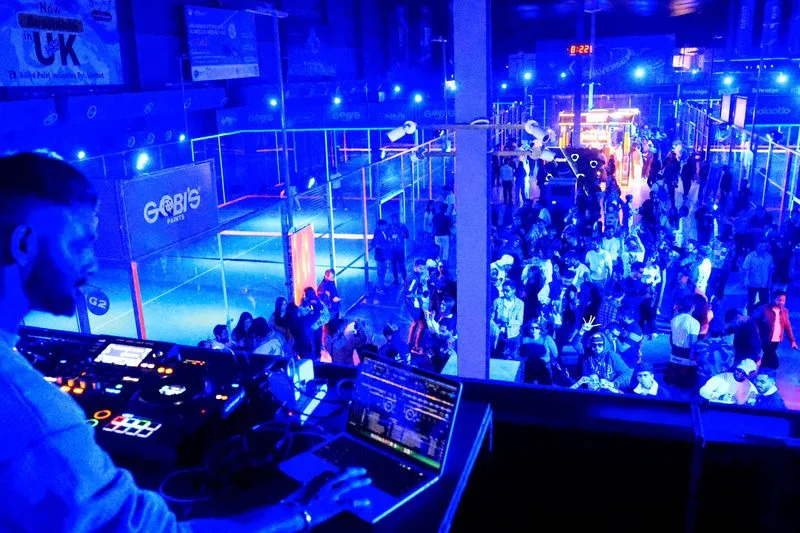
Sagar Naik, known as DJ Sagar, plays at a neon padel party organised by 12xperience, at Padelverse in Karachi, Pakistan, November 29, 2025. REUTERS/Akhtar Soomro
Creating Safer, Licensed Spaces
Organisers emphasised safety and visibility. Cameras fixed to walls and drones monitored the crowd to enforce the no-alcohol policy and deter fights or harassment. Crowd caps and on-site staff further reduced the risks associated with underground gatherings.
'Without guardrails, you're just recreating the same risks people are trying to escape,' said Mohammed Usman, founder of 12xperience. 'This is about creating a space where people feel safe. Without alcohol, without drugs, without chaos.'
Events are spreading across Karachi, mainly at sports facilities and cafes but also in art galleries and co-working spaces. The format appeals to attendees who want to socialise openly without hiding.
Market Signs And Cultural Context
Market research firm Euromonitor reports that Pakistan's soft drinks market grew by more than 27% from 2020 to 2025, while hot drinks, including coffee, expanded by a similar margin. While young people worldwide are drinking less, Pakistan's shift toward non-alcoholic socialising has outpaced some mature markets such as the United States and Britain.
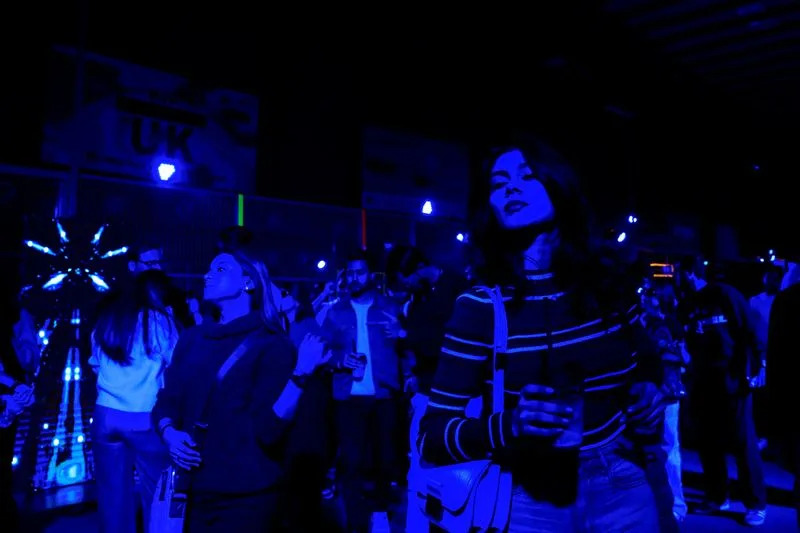
Participants dance to music amid a shower of neon light during a neon padel party organised by 12xperience, at the Padelverse in Karachi, Pakistan, November 29, 2025. REUTERS/Akhtar Soomro
Sociologists say the trend reflects how young Pakistanis adapt modern social life to fit within Islamic norms rather than reject those norms. Women-only events are also rising in popularity where gender mixing carries cultural stigma.
'They are not going beyond religion, but reframing how social life happens,' said Kausar Parveen, an associate professor at the University of Karachi.
Women-Only Nights And Accessibility
Women-only music nights draw large crowds who value the freedom to dance and socialise without negotiating visibility or safety concerns. Comedian and influencer Amtul Bajwa, who hosts such events at her Third Culture Coffee cafe, says many women appreciate early end times and limited crowds.
'You don't have to worry about who's watching,' said one attendee who asked to be identified only as Fatima. 'Ending early makes it easier to get home.'
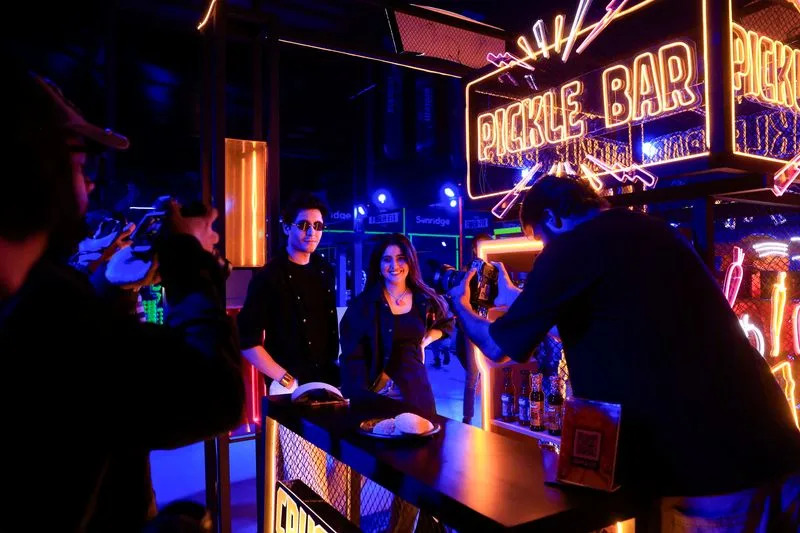
Photographers take photos of participants as they attend a neon padel party organised by 12xperience, at Padelverse in Karachi, Pakistan, November 29, 2025. REUTERS/Akhtar Soomro
Ticket prices, typically 3,000 to 7,000 Pakistani rupees (about $10.73 to $25.04), are a meaningful expense in a country where entry-level monthly wages often range from 30,000 to 40,000 rupees. Still, sober raves have become a visible outlet for urban youth and a space where lifestyle bloggers and influencers feel comfortable posting in real time.
Currency note: ($1 = 279.5000 Pakistani rupees)
Reporting by Ariba Shahid in Karachi; editing by Kevin Buckland.
Help us improve.