Eitan Hersh writes in The Boston Globe that a new "microgeneration" of undergraduates is rejecting performative "woke" behavior in favor of substantive classroom debate. He argues this shift could help restore free speech and viewpoint diversity on campuses. Hersh cites the 2023–24 Israel–Hamas protests and a Sept. 2023 Gallup poll showing just 35% of Americans call college "very important." He will lead initiatives at the Center for Expanding Viewpoints and urges students to help reshape campus culture.
Tufts Professor Says New Undergraduates Are Moving Beyond Performative 'Woke' Politics

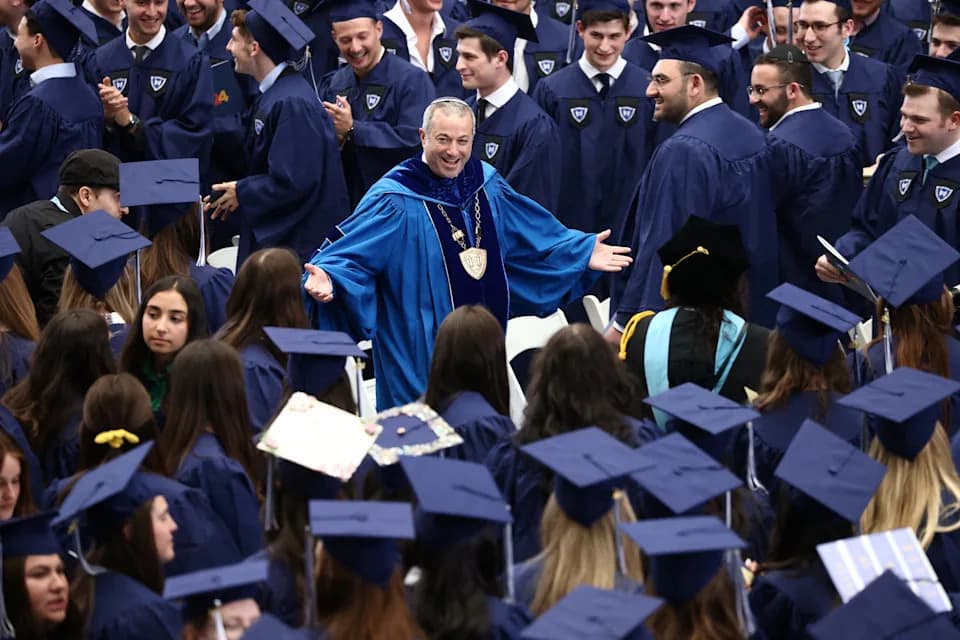
Colleges are seeing changes in campus culture as some students move away from performative politics and embrace more traditional classroom discussion and open debate.(iStock)
A Tufts University professor argues that the peak of campus "wokeness" may be fading as a new cohort of undergraduates increasingly rejects performative politics and presses for more substantive classroom debate.
What Hersh Observes
In an opinion piece for The Boston Globe, political scientist Eitan Hersh describes this emerging "microgeneration" as less interested in language policing and ideological grandstanding and more inclined toward rigorous discussion and intellectual decorum. He contends that these shifts create an opening to restore free speech and viewpoint diversity on American campuses.

A September 2023 Gallup poll found that just 35% of Americans consider a college education "very important," down from 2019.
"In this emerging microgeneration, our brightest students do not want to be the illiberal, woke caricature. It’s cringy and embarrassing," Hersh wrote.
Context And Examples
Hersh places the trend in context by noting that campus culture evolves as each four-year cohort moves through college. He cites the 2023–2024 Israel–Hamas protests — when students nationwide established encampments calling for university divestment from Israeli-linked companies — as a recent moment that shaped political dynamics on many campuses and led to hundreds of arrests at institutions including Columbia University and UCLA.
He also recalls an earlier classroom incident in which a student repeatedly interrupted him for using the term "Latino" instead of "Latinx," an example Hersh uses to illustrate how some past classroom exchanges devolved into what he describes as "political speechification." He suggests similar behavior from today’s students would now elicit "more eye rolls than snaps."
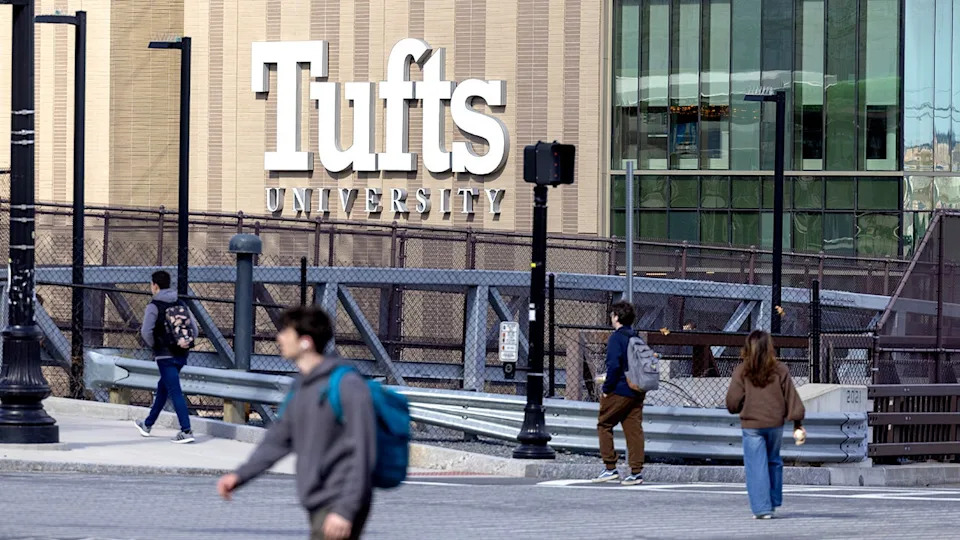
People walk along College Avenue near Tufts University in Medford, Mass., March 27, 2025.
Responses And Next Steps
Hersh notes public confidence in higher education remains low: a September 2023 Gallup poll found just 35% of Americans say a college education is "very important," down from 2019. He says universities are responding to concerns about viewpoint diversity by hiring new faculty and revising policies.
Hersh has been invited to lead initiatives through the Center for Expanding Viewpoints in Higher Education and urges students to use their influence to help shift campus culture toward open debate, mutual respect, and a focus on truth and decorum.
Help us improve.