Two young Pakistani lawyers have filed a constitutional petition asking the government to remove sales and customs taxes on menstrual products and reclassify them as essential goods, arguing the levies drive period poverty and breach Article 25’s ban on sex discrimination. The petition highlights an 18% sales tax on domestic pads and a 25% customs duty on imports, which UNICEF says can translate into about a 40% surcharge when local charges are included. Advocates say stigma, limited puberty education, poor public facilities and climate-driven floods worsen the problem, forcing many girls to miss school or use unsafe alternatives. A court has ordered the government to respond so the case can move forward.
Young Lawyers Sue Pakistan Over 'Period Tax' — A Legal Push To End Menstrual Stigma And Tackle Period Poverty
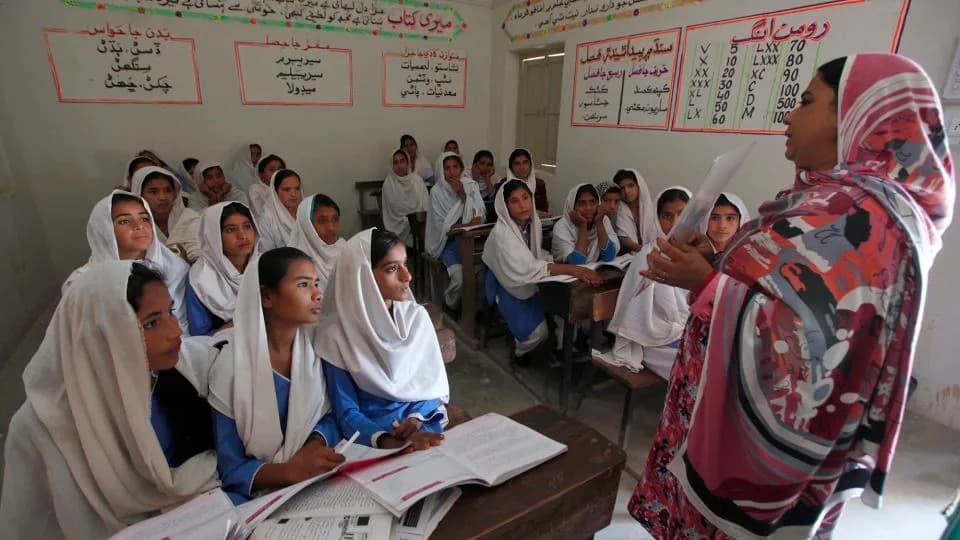
A teacher talks to students during a sex education class in Sindh province, Pakistan. Two young lawyers have brought a court case they hope will break reproductive health taboos in the country. - Akhtar Soomro/Reuters
Mahnoor Omer avoided talking about her periods for years. Now the 25-year-old lawyer and her colleague, 29-year-old Ahsan Jehangir Khan, have filed a constitutional petition asking the Pakistani government to remove taxes on menstrual products and reclassify them as essential goods rather than luxuries.

Mahnoor Omer (left) and Ahsan Jehangir Khan (right) are behind a legal case calling on Pakistan's government to remove tax on menstrual products and spotlight period poverty in the region. - Nouman Raees/Ahsan Jehangir Khan
What the Case Says
The petition argues that current tax policy — an 18% sales tax on locally produced sanitary pads and a 25% customs duty on imported menstrual products under the Sales Tax Act of 1990 — combined with other levies can amount to roughly a 40% surcharge, according to UNICEF. The lawyers contend this pricing structure limits access to essential hygiene products, deepens gender inequalities in education and health, and violates Article 25 of the Constitution, which prohibits sex-based discrimination.
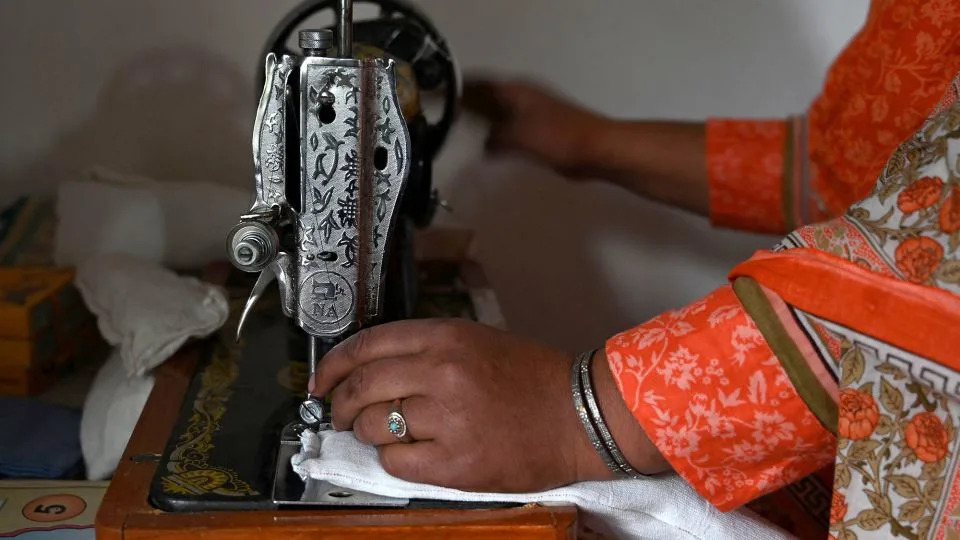
A woman makes a sanitary pad with a sewing machine in Chitral, northern Pakistan. Just 12% of women in Pakistan use commercial sanitary products, according to UNICEF. - Aamir Qureshi/AFP/Getty Images
“With a tax like this, each day the price of injustice is experienced by half the population,” Omer told CNN.
Human Impact
Reproductive rights activists and health workers describe how stigma, lack of puberty education and poverty force many girls and women to use unsafe homemade alternatives or miss school and work. UNICEF estimates only about 12% of Pakistani women use commercial sanitary products. A pack of 10 commercial pads costs roughly 400–485 Pakistani rupees (about $1.43–$1.73) and may not last a month, while nearly 45% of the population lived below the World Bank's $4.20/day lower middle‑income threshold as of mid‑2025.
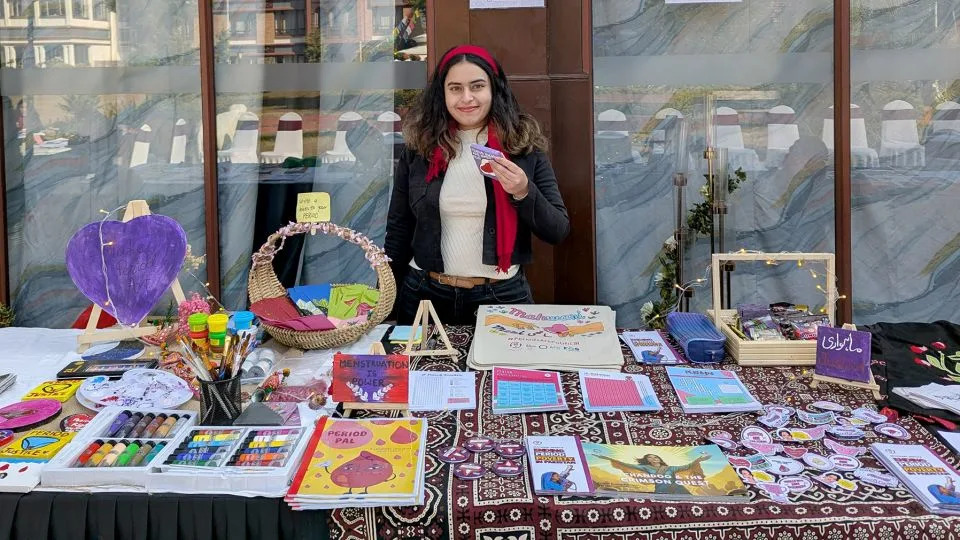
Bushra Mahnoor (center) a reproductive rights activist in Pakistan, says she had to navigate “a lot of shame” when she started her period due to the social stigma around mensuration. - Bushra Mahnoor
Limited access to toilets, clean water and sanitary supplies in schools, workplaces and public spaces contributes to absenteeism and health risks. UNICEF reported that one in five girls in Pakistan miss school because of their menstrual cycle, a figure advocates say compounds into long-term educational losses. Seasonal flash floods, worsened by climate change, have further trapped women in cycles of period poverty: relief camps often lack appropriate supplies and safe, private facilities.
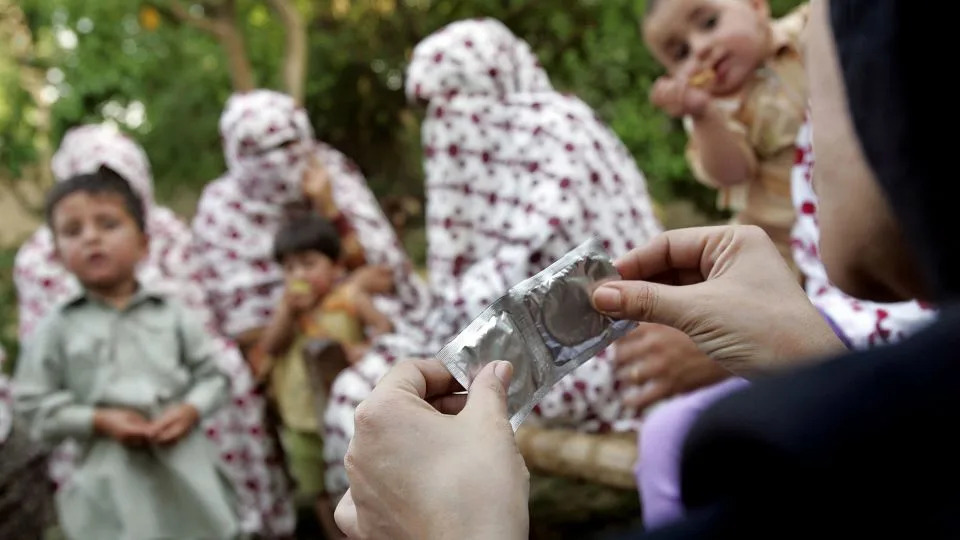
Condoms are shown during a safe sex education class in Swabi district, western Pakistan. One women's rights activist called for greater access to sexual health education. - John Moore/Getty Images
Health Risks And Social Costs
Doctors warn that unsafe menstrual practices raise the risk of chafing, skin problems, urinary tract and vaginal infections. The social stigma can erode mental wellbeing and self-worth; some communities still impose restrictions on menstruating women. Medical professionals who try to provide sexual and reproductive health education often face ostracism.
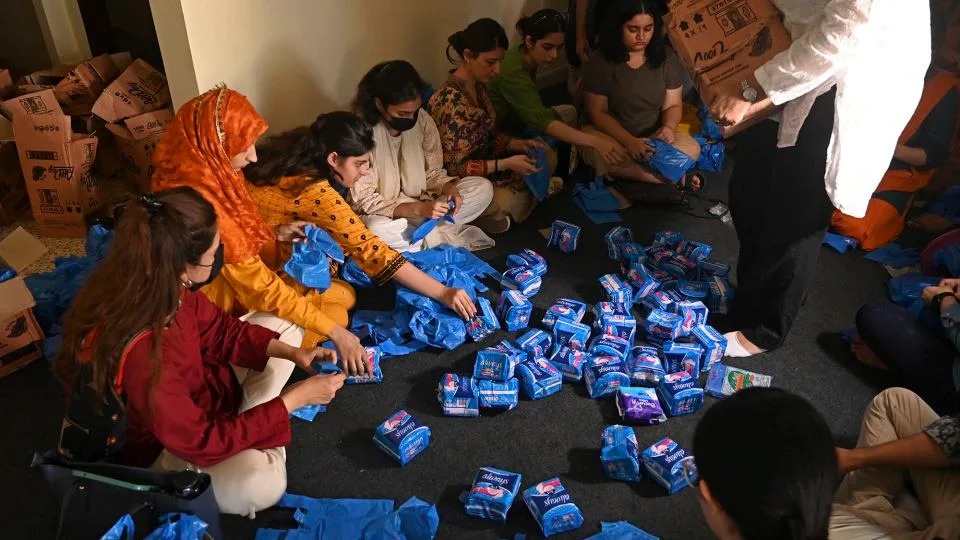
Volunteers pack sanitary pads for women displaced by flooding, in Lahore, on August 31, 2022. Seasonal flash floods worsened by the climate crisis have exacerbated period poverty. - Arif Ali/AFP/Getty Images
Legal Process And Expectations
A court in Islamabad has ordered the government to give a timely response so the case can proceed following a hearing in late November. Omer and Khan say they drew inspiration from regional policy shifts that removed or reduced taxes on menstrual products in countries such as India and Nepal and hope the case will spark public debate, legal reform and policy change in Pakistan.
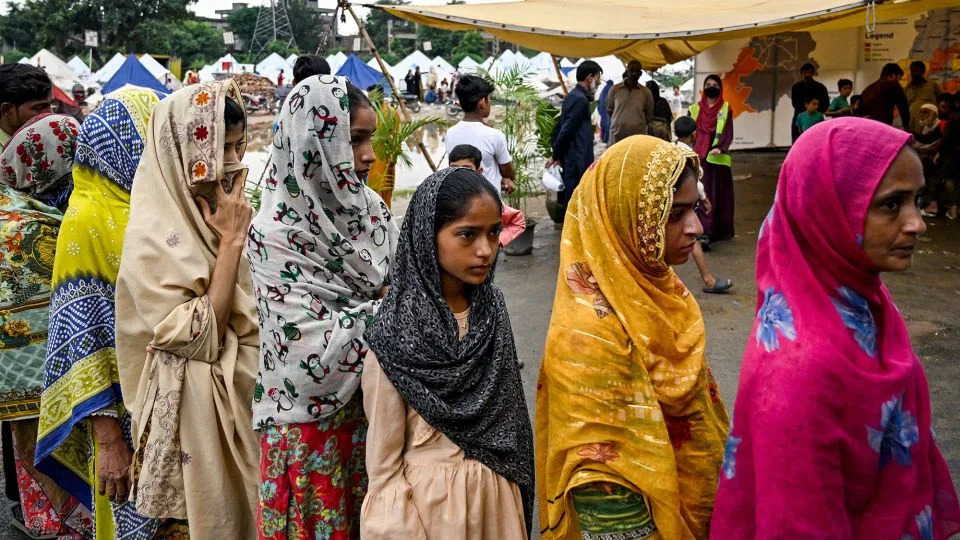
Women and girls queue near a mobile health unit at a flood relief camp in Punjab province, on August 31. Climate crisis-induced flash floods in Pakistan have exacerbated period poverty. - Aamir Qureshi/AFP/Getty Images
Advocates emphasize that eliminating the tax alone will not end menstrual stigma, but say it is a concrete step to make sanitary products more affordable while catalysing broader improvements in education, public facilities and social attitudes.
Note: CNN contacted Pakistan’s health ministry for comment. Reporting on the case has drawn support from civil society, media and activists who view the petition as part of a wider movement to address period poverty across the region.
Help us improve.