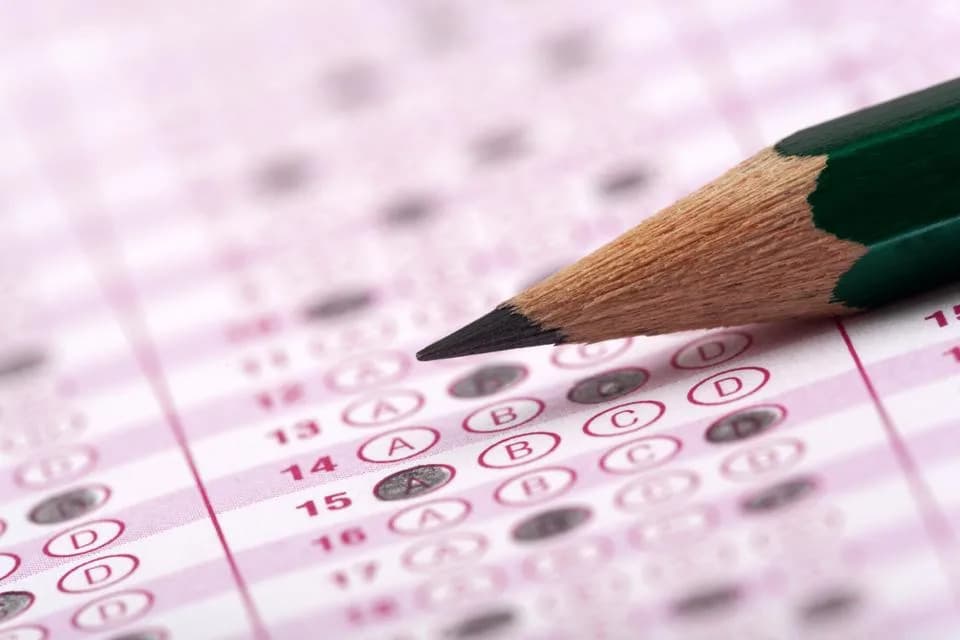
The Harvard faculty committee has proposed capping A grades at 20% per course (with up to four additional A’s allowed) and introducing an internal “average percentile rank” to determine honors. The 19‑page plan responds to an October report showing that over 60% of undergraduate grades are A’s, up from about 25% two decades ago. If approved, the changes would take effect in the 2026–27 academic year; instructors who opt out of the cap would be limited to satisfactory/unsatisfactory grading.
Harvard Faculty Proposes 20% Cap On A Grades and New Internal Ranking To Tackle Grade Inflation
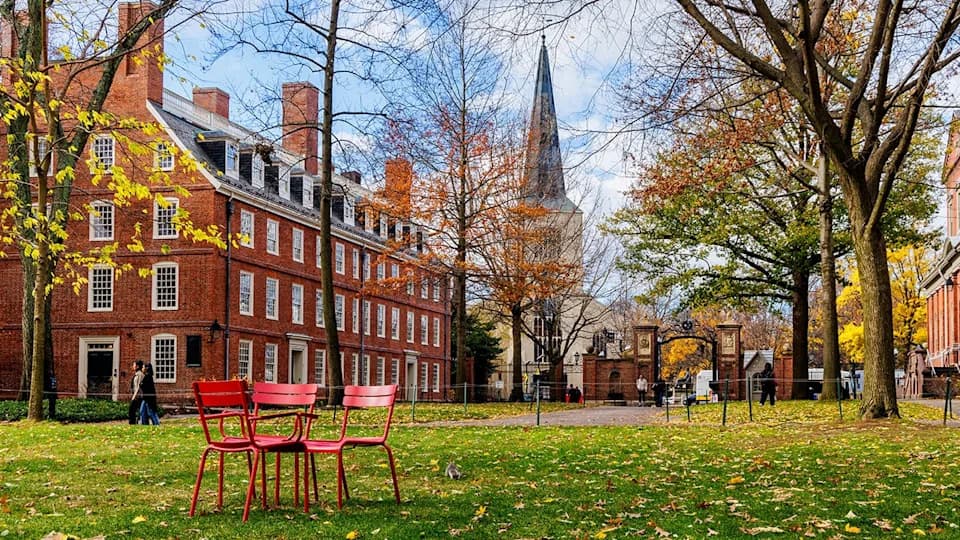
Some faculty at Harvard University are calling for the school to cap the number of A grades awarded to students to combat grade inflation.(Getty Images)
A Harvard faculty committee has proposed a major revision to undergraduate grading to curb long‑running grade inflation: limiting A grades to a fixed share of each class and introducing an internal ranking metric to guide honors and awards.
Proposal highlights: The 19‑page plan recommends capping A grades at 20% of enrolled students in each course, while allowing instructors to award up to four additional A’s beyond that cap. If the faculty approves the measure, it would take effect in the 2026–27 academic year. The proposal also creates an internal “average percentile rank” intended to inform decisions about honors and awards.
Why the Change?
The committee’s recommendations follow an October report from Amanda Claybaugh, dean of Undergraduate Education, which found that more than 60% of undergraduate grades at Harvard are currently A’s — up from roughly 25% two decades ago. The report traced the most rapid acceleration of grade inflation to the late 2010s, with an additional surge during the COVID‑19 pandemic; it now suggests the trend is beginning to level off.

Should the proposal pass, instructors would be allowed to award up to four additional A’s beyond the cap.
“Our grading is too compressed and too inflated, as nearly all faculty recognize; it is also too inconsistent, as students have observed. More importantly, our grading no longer performs its primary functions and is undermining our academic mission,” Claybaugh wrote.
How It Would Work
According to committee chair Stuart Shieber — an alumnus — roughly 60% of courses already fall within the proposed 20% cap. Instructors who do not wish to follow the cap would be permitted to opt out, but only by switching the course grade to a satisfactory/unsatisfactory (S/U) basis.
“While any changes to grading policies may raise concerns about fostering a competitive culture, we believe that these recommendations take critical steps towards the College’s goal to re‑center academics, restoring confidence in the College’s grading system, and better aligning incentives with pedagogical goals,” the committee wrote.
Next Steps and Reaction
The proposal will be considered by Harvard’s faculty and, if approved, would be implemented starting in the 2026–27 academic year. The university has been contacted for comment. Supporters say the changes aim to restore meaningful distinctions among student achievement and better align grading with pedagogical objectives, while critics may warn the reforms could alter classroom incentives and student behavior.
Key facts: 19‑page proposal; 20% A cap per course with up to four extra A’s allowed; internal average percentile rank for honors; implementation target 2026–27; S/U required for instructors who opt out of the cap.
Help us improve.