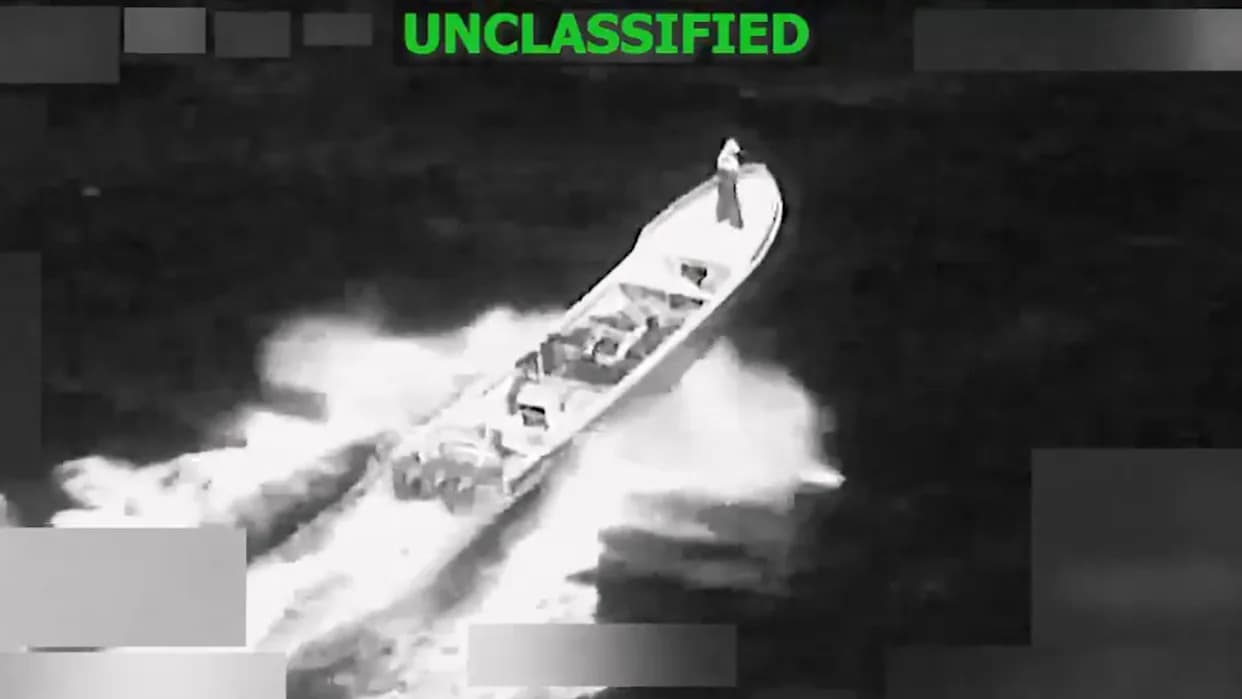
Defense Secretary Pete Hegseth said the Pentagon will not publicly release an unedited classified video of a Caribbean strike that killed two survivors of an earlier attack on a vessel alleged to be carrying cocaine. Members of the House and Senate Armed Services Committees may view the footage, though it is unclear whether full congressional access will be granted despite language in a defense bill demanding release. Lawmakers pressed officials on the legal justification for the Sept. 2 strike and broader U.S. military activity near Venezuela as calls for transparency and possible War Powers measures grow.
Pentagon Won’t Release Unedited Video Of Caribbean Strike That Killed Survivors — Lawmakers Demand Answers

Defense Secretary Pete Hegseth walks to the auditorium to brief members of congress on military strikes near Venezuela at the Capitol, Tuesday, Dec. 16, 2025, in Washington. (AP Photo/Jose Luis Magana)(ASSOCIATED PRESS)
Defense Secretary Pete Hegseth said Tuesday the Pentagon will not publicly release an unedited, classified video of a Caribbean strike that killed two people who survived an earlier attack on a vessel alleged to be carrying cocaine.
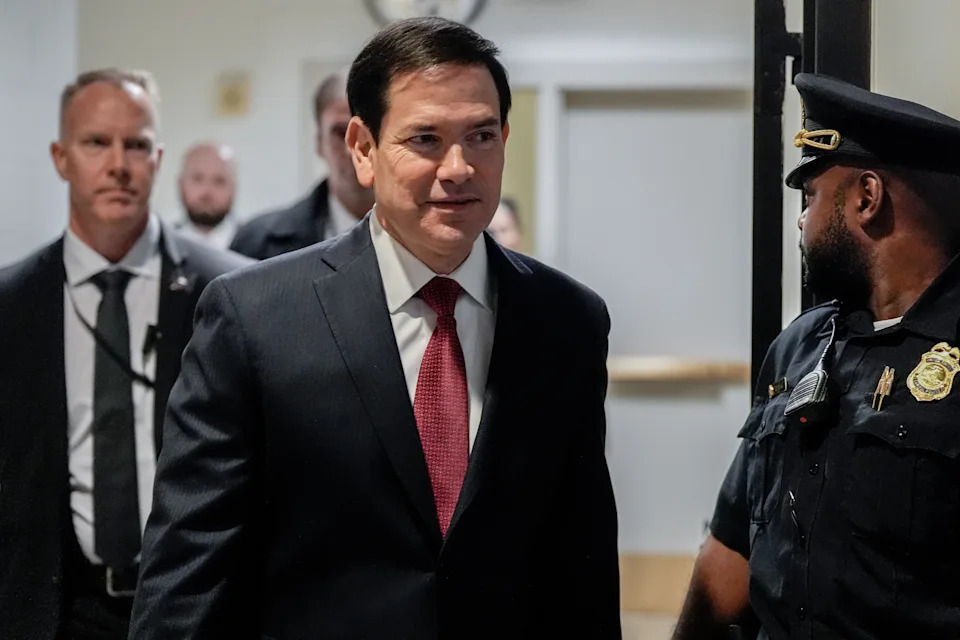
Secretary of State Marco Rubio walks to a secure room in the basement of the Capitol to brief senators on military strikes near Venezuela, Tuesday, Dec. 16, 2025, in Washington. (AP Photo/Julia Demaree Nikhinson)(ASSOCIATED PRESS)
Hegseth told reporters after a closed briefing with senators that members of the House and Senate Armed Services Committees would be allowed to review the footage this week, but he did not clarify whether full congressional access would be granted — even though language in an annual defense policy bill directs the Pentagon to provide the footage to Congress.

Defense Secretary Pete Hegseth arrives to brief members of Congress on military strikes near Venezuela, Tuesday, Dec. 16, 2025, at the Capitol in Washington. (AP Photo/Julia Demaree Nikhinson)(ASSOCIATED PRESS)
Senior Trump administration national security officials, joined by supporters including Sen. Marco Rubio, appeared on Capitol Hill to defend the wider campaign in international waters near Venezuela. Officials described the operation as a counter-drug mission aimed at destroying smuggling networks and preventing narcotics from reaching the United States.
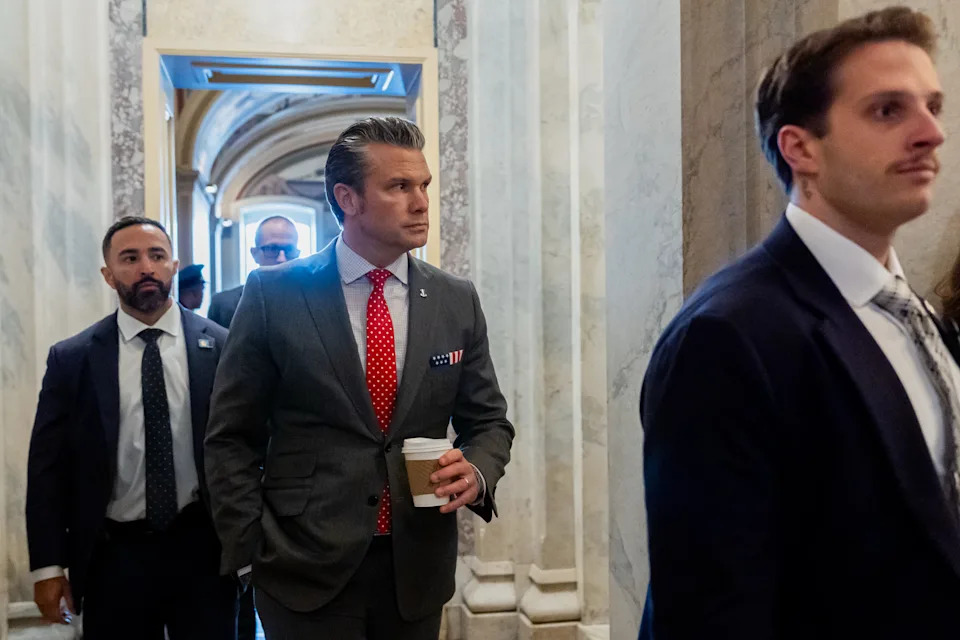
Defense Secretary Pete Hegseth departs the Capitol after briefing members of Congress on military strikes near Venezuela, Tuesday, Dec. 16, 2025, in Washington. (AP Photo/Julia Demaree Nikhinson)(ASSOCIATED PRESS)
Congressional Scrutiny and Legal Concerns
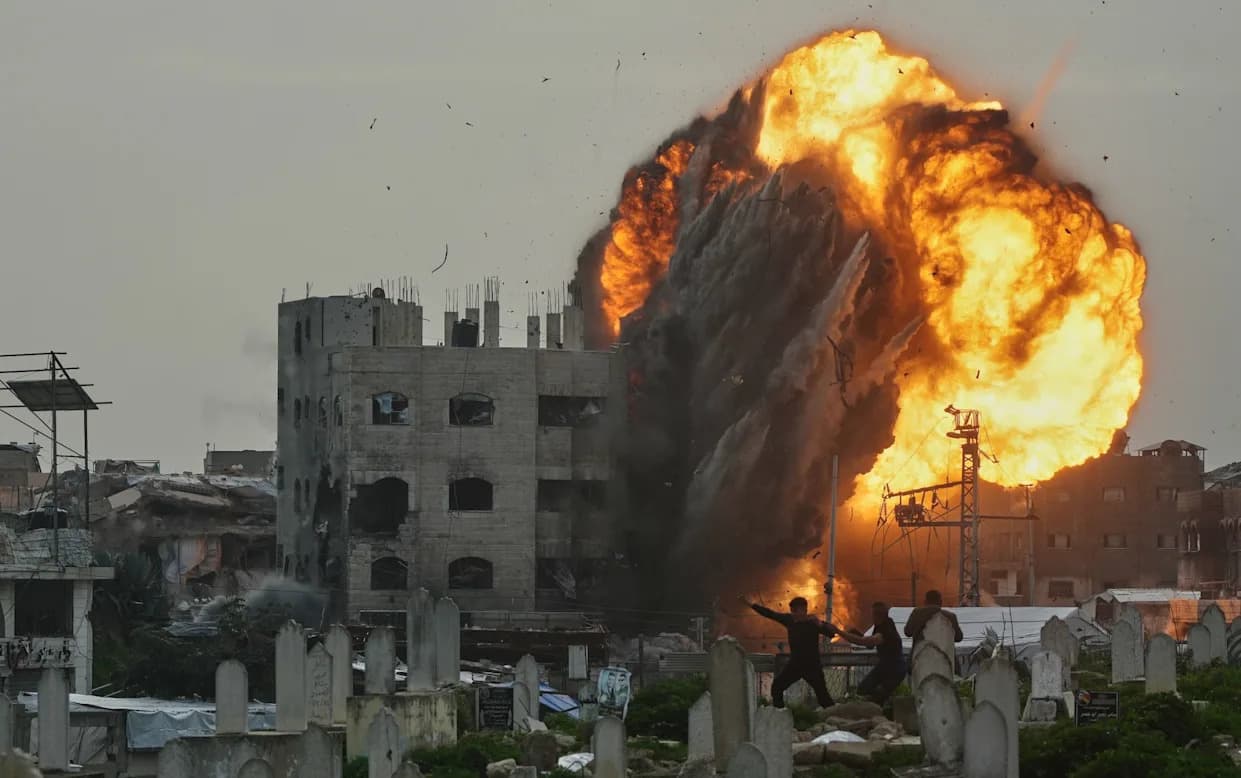
Lawmakers pressed officials over the Sept. 2 strike that killed two survivors who had climbed on an overturned vessel after an initial attack. The incident has become a focal point for questions about the campaign’s objectives, the legal justification for strikes at sea and whether the actions are increasingly aimed at Venezuela.
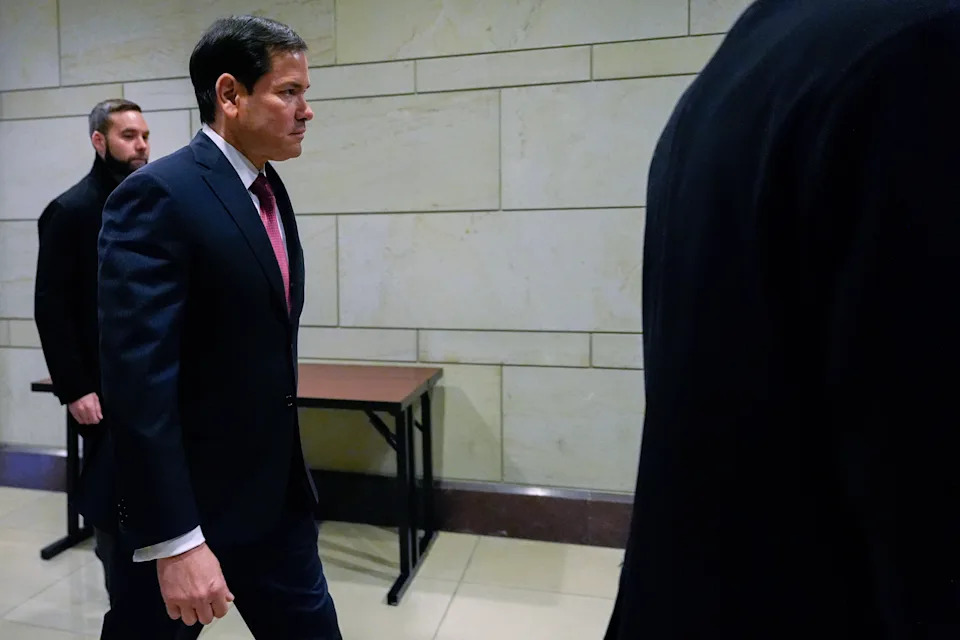
Secretary of State Marco Rubio arrives to brief members of Congress on military strikes near Venezuela, Tuesday, Dec. 16, 2025, at the Capitol in Washington. (AP Photo/Julia Demaree Nikhinson)(ASSOCIATED PRESS)
“Of course we're not going to release a top secret, full, unedited video of that to the general public,” Hegseth said after the classified session.
Adm. Frank “Mitch” Bradley, who ordered the follow-up strike, reportedly told lawmakers in private briefings that the two people had climbed on the hull, had not radioed for help and were waving. Bradley said he consulted a military lawyer and decided to strike again because he believed drugs were concealed in the vessel’s hull and the mission required destroying them. Several people familiar with the briefings spoke on the condition of anonymity because they were not authorized to discuss them.
Critics say the strike may conflict with the Pentagon’s own manual on the laws of war, which states orders to fire on the shipwrecked would be unlawful. Michael Schmitt, a former Air Force lawyer and professor emeritus at the U.S. Naval War College, called the damaged, overturned vessel and its occupants “shipwrecked” and cautioned against targeting them.
Some lawmakers and legal experts voiced alarm that, if the operation is not treated as a war against a foreign state, the strikes may amount to using lethal force against civilians suspected of criminal activity without due process. Supporters, including Sen. Jim Risch, maintain the operations are lawful and have prevented drugs from reaching American communities.
What’s Next
Congress has received only limited information about the campaign, which the Pentagon says has destroyed more than 20 vessels and resulted in at least 95 deaths. Classified briefings for both Armed Services committees are expected to continue, and some members are pushing War Powers measures and demanding a clearer explanation of the intelligence and legal bases for the operations.
Sen. Thom Tillis said he wants a full accounting of the intelligence and whether the forces followed the laws of war and the law of the sea.
Help us improve.