The 1991 murders of four teenage girls at an Austin yogurt shop remained unsolved for more than three decades amid contested confessions, overturned convictions and repeated forensic reviews. A partial male Y-STR DNA profile first produced in 2009 became the case’s most important forensic lead. After advances in DNA analysis and genetic genealogy, Austin police announced in September 2025 that testing linked the crimes to deceased suspect Robert Eugene Brashers; in December 2025 the Travis County DA filed to begin exonerating the four men long accused. Families and investigators hope the development brings long-awaited closure.
DNA Breakthrough In 1991 Austin Yogurt Shop Murders Links Case To Deceased Suspect; DA Moves To Exonerate Four Men

CASE UPDATE: In September 2025 the Austin Police Department identified Robert Eugene Brashers — a deceased man with a documented history as a serial killer and rapist — as a DNA-linked suspect in the 1991 Yogurt Shop murders. In December 2025 the Travis County District Attorney's Office filed a motion to begin the process of exonerating the four men long accused in the case.
Background
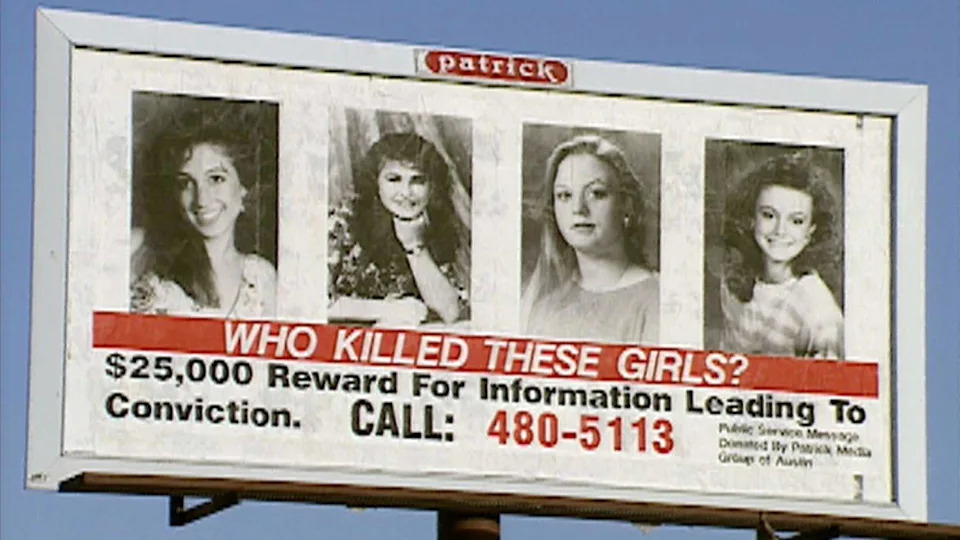
On the night of December 6, 1991, four teenage girls — Eliza Thomas (17), Jennifer Harbison (17), Sarah Harbison (15) and Amy Ayers (13) — were tied, gagged, shot and the I Can't Believe It's Yogurt! shop in Austin, Texas, was set on fire. The brutality of the crime shocked Austin and launched a decades-long, multi-agency investigation that produced hundreds of leads, multiple written confessions, arrests and contentious trials.
Investigation, Arrests And Controversy
Early scene conditions — smoke, water and fire damage — destroyed evidence and complicated the forensics. Ballistics showed both .380 and .22 caliber rounds, suggesting multiple shooters. In 1999 four men (Maurice Pierce, Forrest Welborn, Michael Scott and Robert Springsteen) were arrested after renewed review of old leads and after confessions were obtained from two defendants in the late 1990s. Springsteen and Scott were later convicted (Springsteen in 2001; Scott in 2002), though both convictions were overturned on constitutional grounds years later because each defendant's confession was used against the other without opportunity for confrontation.
Those convicted and imprisoned for years maintained they had given false or coerced confessions; defense attorneys and family members argued the interrogations were aggressive and unreliable.
The DNA Trail
In 2009 prosecutors ordered Y-STR testing (male-line STR markers) on preserved vaginal swabs. That testing produced a partial male profile that did not match any of the four accused men — a pivotal development because one defendant had claimed to have sexually assaulted a victim. The partial Y-STR profile became the most promising forensic lead.
In 2017 investigators searching public DNA resources believed they had a match to an anonymously submitted Y-STR record. After legal and privacy hurdles, the FBI cooperated in further testing in 2020; expanded testing ultimately excluded the FBI sample as the donor of the crime-scene DNA, a disappointing result that nonetheless left the original partial Y-STR profile intact as an investigative clue.
With continued advances in DNA and genetic genealogy techniques, Austin police continued reviewing the evidence. In September 2025 APD announced that additional DNA testing linked the case to Robert Eugene Brashers, who is deceased and has previously been identified as a serial offender. That identification prompted the Travis County District Attorney's Office in December 2025 to file a motion to begin the legal process of exonerating the four men who were long accused in the case.
Impact And Legacy
The Yogurt Shop murders left deep and lasting wounds for victims' families and for investigators. Sonora Thomas, sister of victim Eliza Thomas, described long-term trauma and the struggle to hold memories of her sister close. Retired lead investigator John Jones has said the case haunted him for decades and contributed to long-term stress and PTSD.
The case also helped spur policy change: the Homicide Victims' Families' Rights Act, signed into law on August 3, 2022, gives family members of cold-case victims a formal path to request federal review using contemporary investigative technology.
What This Means Now
The September 2025 DNA identification and the December 2025 filing to begin exoneration mark major developments in a case that has been unresolved for more than three decades. The newly reported link to Robert Eugene Brashers will not erase the long pain experienced by families, but it may finally provide long-sought answers and legal closure for men who spent years under accusation and behind bars.
If you have information about the Yogurt Shop murders, contact Austin police at 512-472-TIPS.
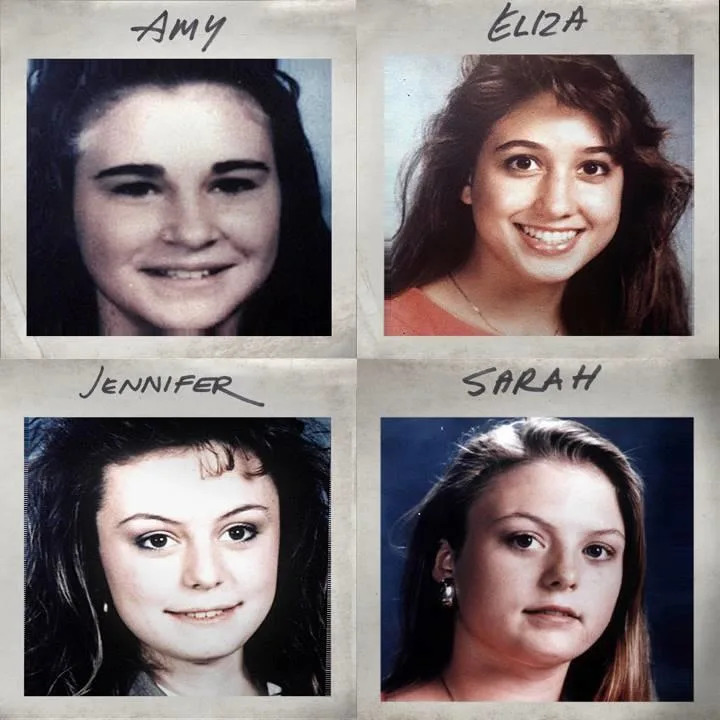
Inside the yogurt shop were the charred bodies of four teenage girls ranging from 13 to 17 years old. The victims clockwise from top left, Amy Ayers, Eliza Thomas, Sarah Harbison and Jennifer Harbison. / Credit: AP Images
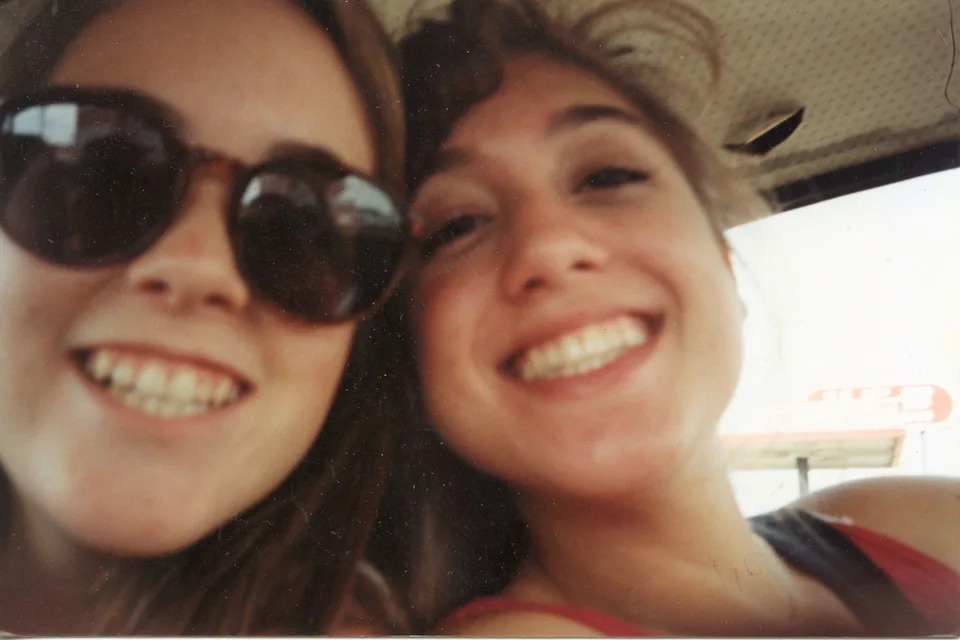
Eliza Thomas, right, was 17 when she was murdered inside the yogurt shop. In this photo taken a few months before her death, Eliza is seen with her younger sister Sonora who was 13 when her sister died. In 2021, Sonora told
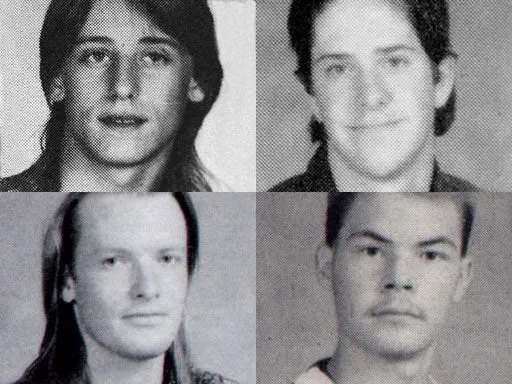
Soon after the yogurt shop murders, detectives questioned four teenage boys. Maurice Pierce, top left, was arrested for having a gun at a local mall. Forrest Welborn, top right, Michael Scott, bottom left and Robert Springsteen were the friends Pierce was hanging out with that day. They were all questioned and released. / Credit: AP Photo
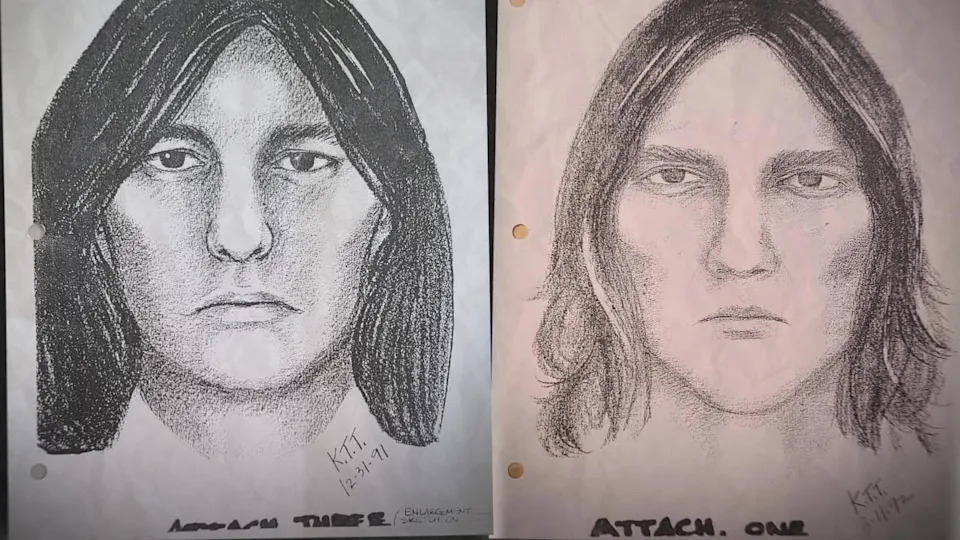
Investigators say one of the suspects in a sexual assault, left, bore a striking resemblance to that man witnesses reported sitting in a car outside the yogurt shop the night of the murders. / Credit: Austin Police Department
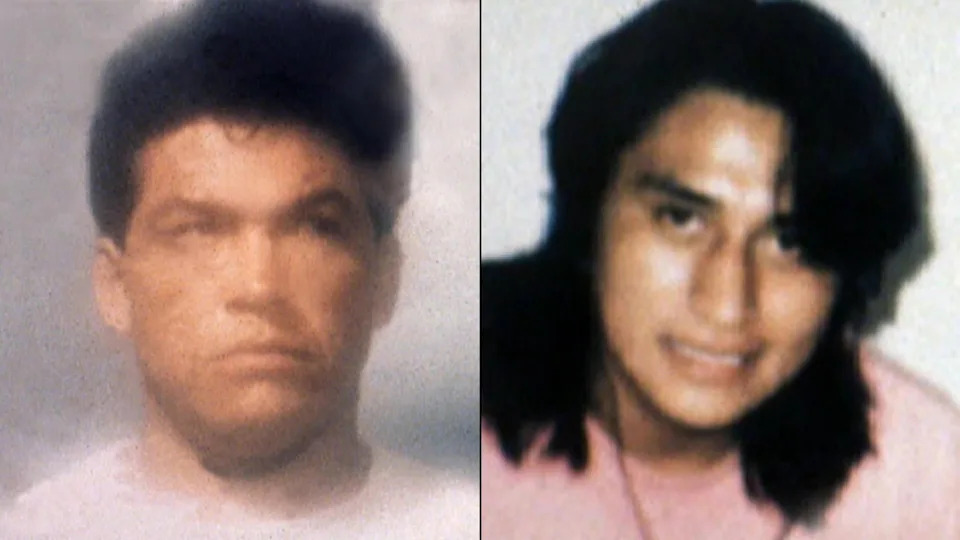
In the fall of 1992, two men wanted for an unrelated kidnapping and sexual assault in Austin were arrested in Mexico. The man on the right bore a striking resemblance to someone witnesses reported seeing outside the yogurt shop on the night of the murders. When questioned by Austin investigators the men initially denied any involvement in the yogurt shop murders, but when interrogated by Mexican authorities they confessed. However, details they gave didn't match the evidence found at the crime scene and when Austin detectives requestioned the men they recanted. / Credit: Austin Police Department
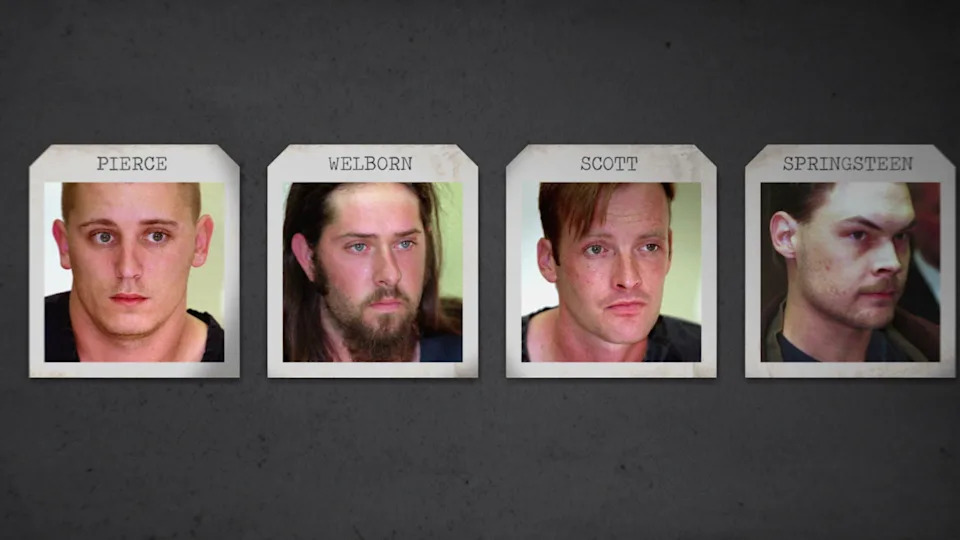
In October 1999, nearly eight years after the yogurt shop murders, Austin police announced the arrest of four suspects in the case: Maurice Pierce, Forrest Welborn, Robert Springsteen, and Michael Scott. All four men had been questioned within days of the murders, but the lack of any hard evidence connecting them to the crime meant that none of them were charged at the time. / Credit: CBS News/AP
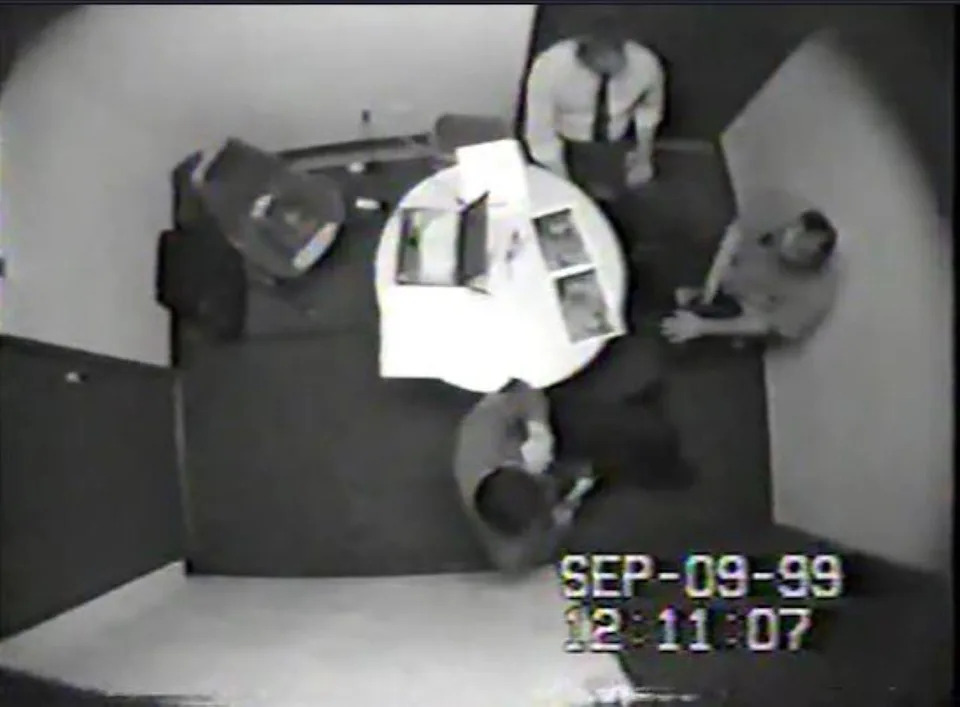
Michael Scott, seated right, is pictured in 1999 being questioned by Austin Police. His 20-hour interrogation took place over the course of four days, during which Scott confessed to taking part in the yogurt shop murders. Days later, Robert Springsteen also confessed under questioning. Despite both men later claiming their confessions were coerced, they would eventually be convicted. / Credit: Austin Police Department
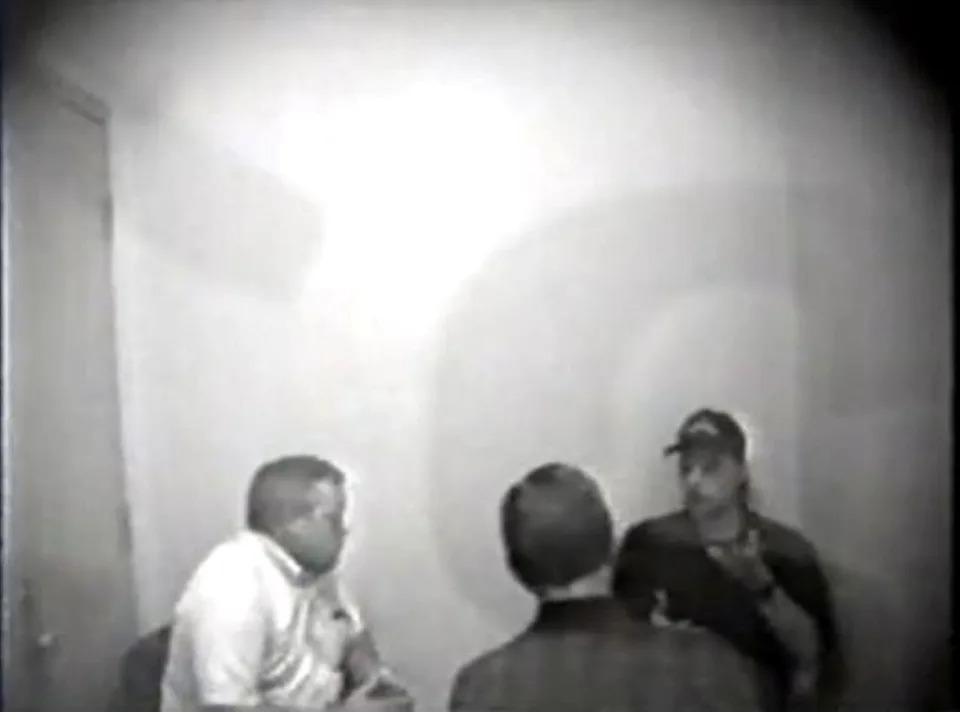
Robert Springsteen speaks to Austin police in 1999.
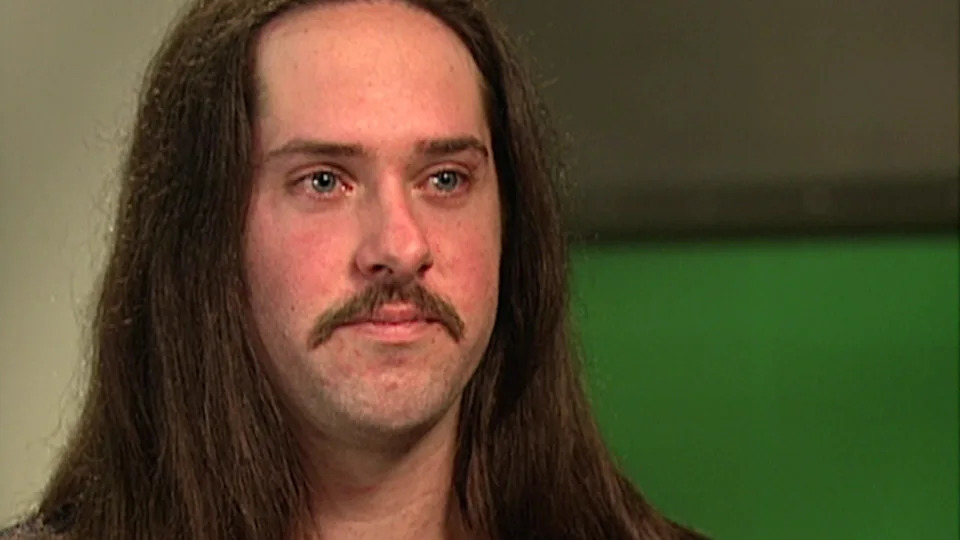
Forrest Welborn had been questioned multiple times by investigators over the years, and he never wavered.
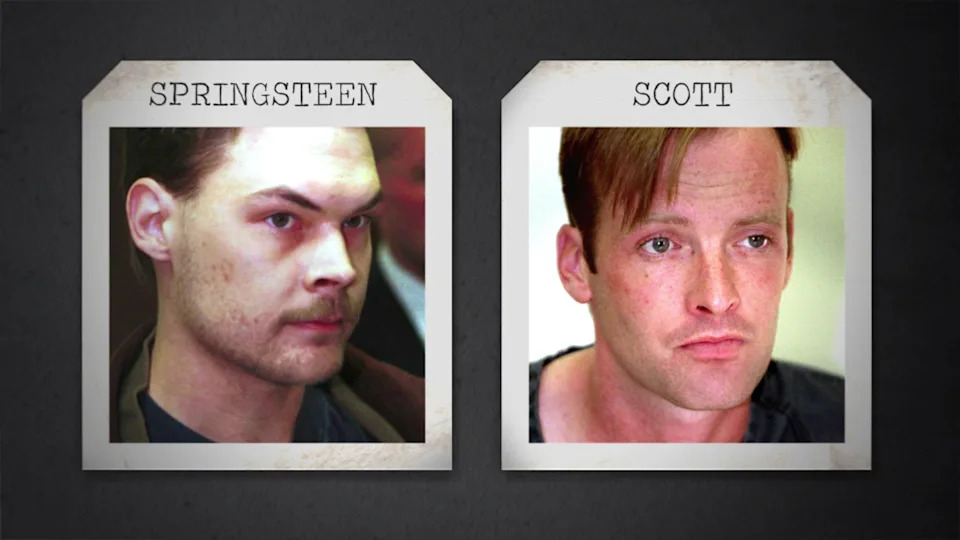
In 2009, with no matches on that DNA, D.A. Lehmberg dropped charges against Robert Springsteen and Michael Scott. After nearly 10 years behind bars, they were released — but not exonerated, / Credit: AP Photos