At age 12 Zohran Mamdani helped form the satirical COW Party during a 2004 mock election at Bank Street School for Children, winning by one vote. Teachers and alumni say the school's experiential, simulation-driven approach nurtured his political instincts and consensus skills. Two decades later those abilities surfaced in his insurgent campaign and early moves as New York City's mayor, where he quickly pushed for free early-childhood care and named Kamar Samuels as schools chancellor.
From Chocolate Milk to City Hall: How Zohran Mamdani’s Middle-School COW Party Foreshadowed His Rise
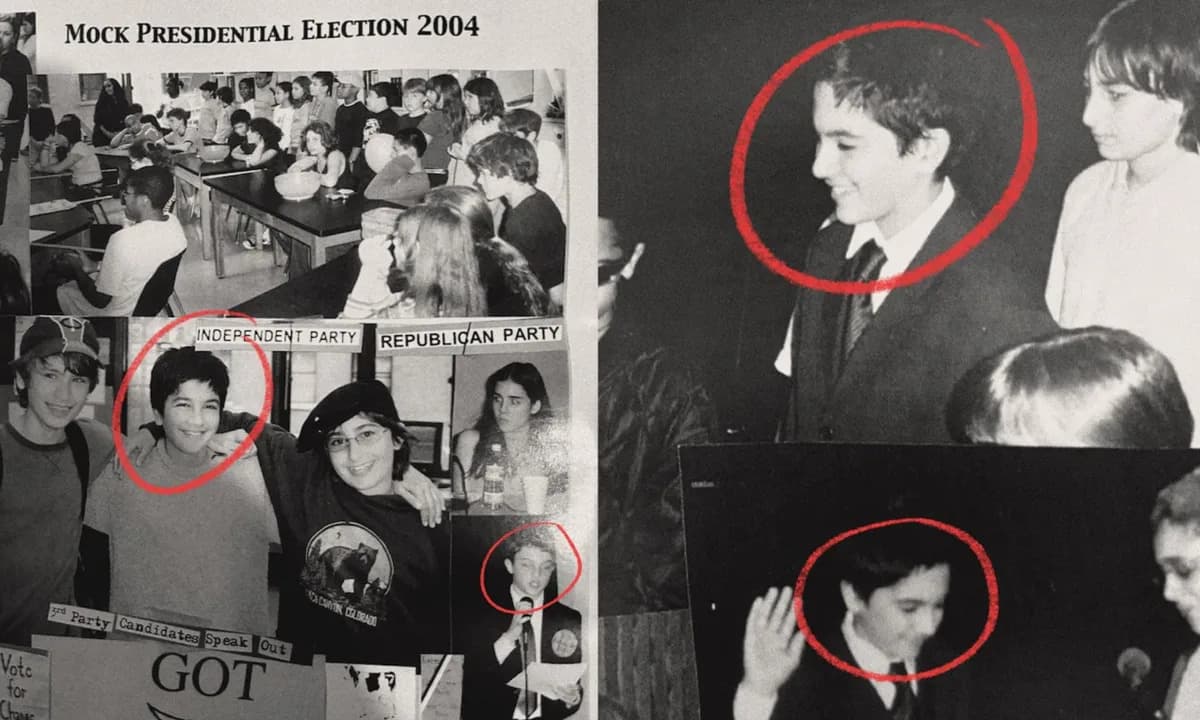
In the autumn of 2004 a 12-year-old Zohran Mamdani and two classmates staged a cheeky insurgency at Manhattan's Bank Street School for Children that would later be recalled as an early sign of his political instincts. What began as a mock election and a promise of free chocolate milk morphed into a lesson in organizing, coalition-building and appealing to neglected voters.
How the COW Party Won
The rules of the classroom election were simple: only eighth-graders could run, while seventh-graders were meant to observe. Frustrated, Mamdani, Evan Roth Smith and John McAuliff persuaded teachers to hold an independent-party primary. They formed the COW Party, produced 'Got Milk?'-inspired posters and campaigned for younger students with a playful slogan: I Want a COW Right NOW!
"We were all sort of trying to poke holes in the world around us and trying to make it a more fair, caring place," said McAuliff.
Their approach was granular and strategic: identify who to persuade and what each voter cared about. The tactic paid off. The COW Party won the independent primary, took on the establishment and ultimately prevailed by a single vote.
Bank Street's Role In Shaping a Politician
Former teachers and classmates say Bank Street's child-centered, simulation-based pedagogy helped develop Mamdani's comfort in public life, his ability to see multiple perspectives and his habit of building consensus. The school, founded in 1916 by Lucy Sprague Mitchell as the Bureau of Educational Experiments, has long emphasized experiential learning: first-graders map their neighborhoods, fifth-graders study China in depth and older students run extended civic simulations, including judicial and congressional role-plays.
Teachers remember Mamdani as generous and charismatic. Brooke Nalle, his seventh-grade humanities teacher, laughs today about a tiny example of that generosity: during Gmail's invitation-only rollout, Mamdani shared an invite with her; she still uses that address two decades later.
From Classroom Simulations To City Government
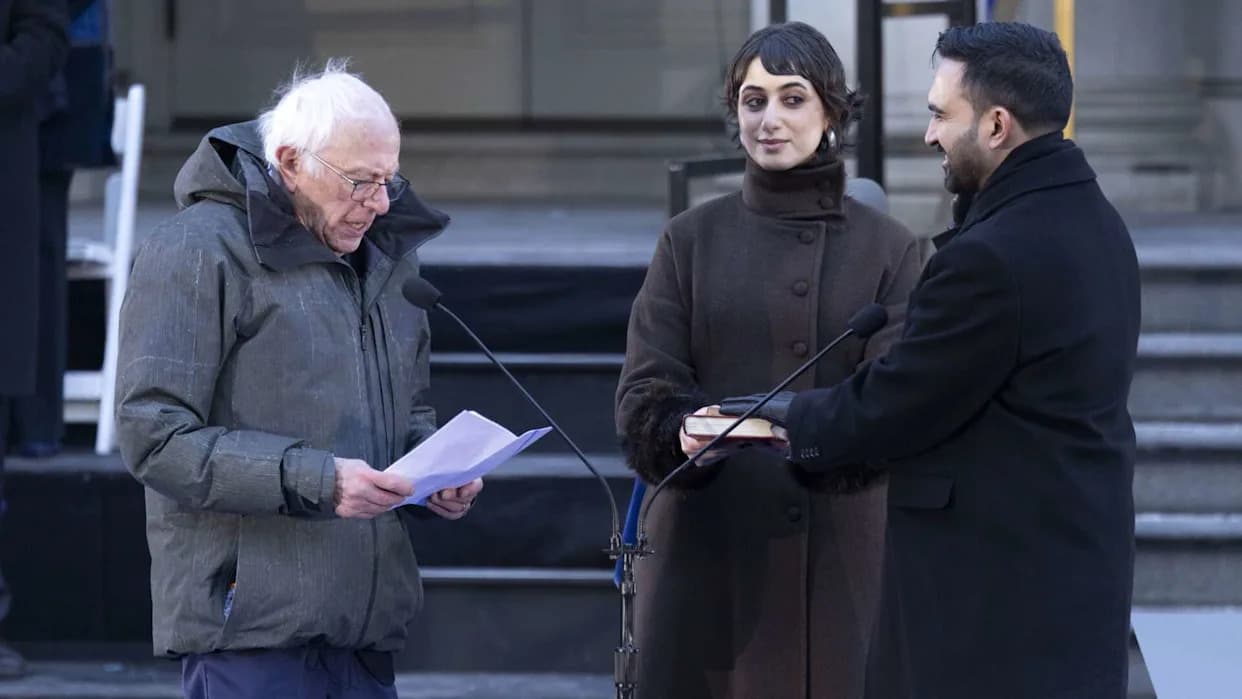
Two decades after the mock election, Mamdani ran an insurgent, Democratic Socialist campaign that carried him to victory in the New York mayoral contest. He defeated former governor Andrew Cuomo by more than 200,000 votes and was inaugurated on January 1. His candidacy drew sharp criticism from some quarters, with outlets highlighting his Bank Street background as evidence of elite privilege and political opponents caricaturing his ideology. Even so, his message resonated with a broad swath of voters.
Early Priorities As Mayor
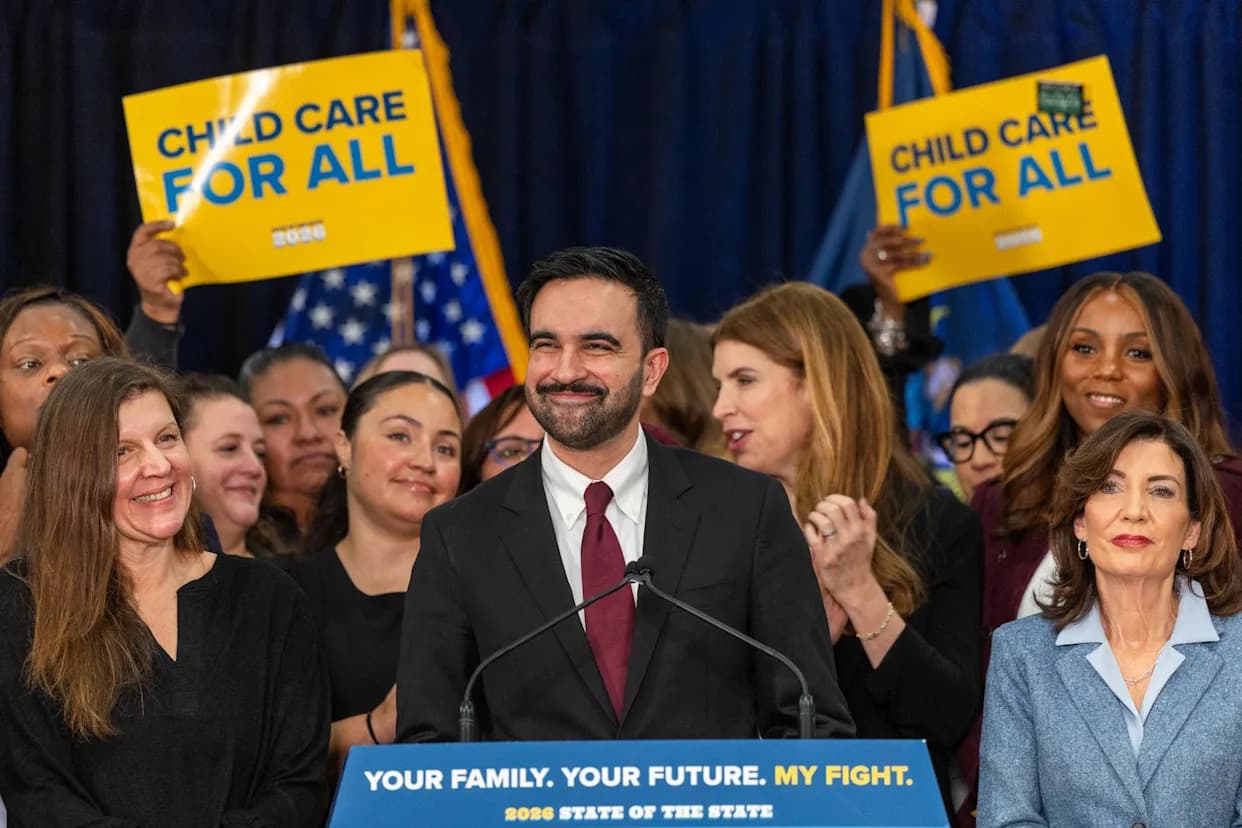
Mamdani moved quickly after taking office. He named Kamar Samuels as schools chancellor the day before his inauguration; Samuels brings nearly 20 years of classroom experience and a record on integration and gifted-program policy. Mamdani also proposed a bold early-childhood plan promising free care from six weeks to five years and wages for childcare workers comparable to public school teachers. He has since revised his earlier campaign stance on mayoral control, saying he will ask the state legislature to continue it while promising to use the authority differently.
Bank Street's Continuing Influence
Bank Street today trains hundreds of school leaders and teachers annually and remains committed to democratic education and perspective-taking. Shael Polakow-Suransky, the school's president, argues that immersive simulations create a 'lived experience' of civic dilemmas and help students become active participants in democracy — lessons that former students say helped shape Mamdani's approach to politics.
Portrait Of A Young Activist
Born in Uganda and raised in New York from age seven, Mamdani is the son of filmmaker Mira Nair and Columbia anthropologist Mahmood Mamdani. His classmates and teachers recall a student who sought challenge, enjoyed debate — even at the level of tax codes — and often worked to build consensus. That mix of curiosity, public ease and a willingness to engage with thorny policy issues foreshadowed the practical, policy-oriented streak of his mayoralty.
Conclusion: The COW Party is a charming anecdote, but it also illustrates a larger point: a progressive, experiential education can produce more than well-read students — it can nurture organizers, persuaders and public servants. For Zohran Mamdani, a middle-school mock election was a small rehearsal for a very public stage.
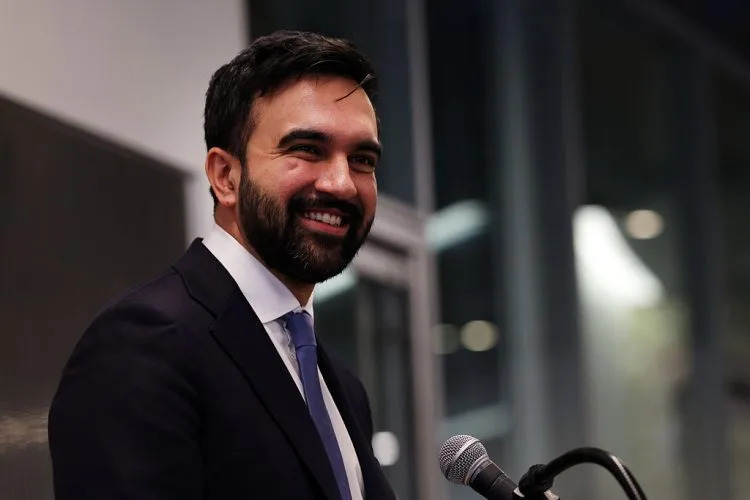
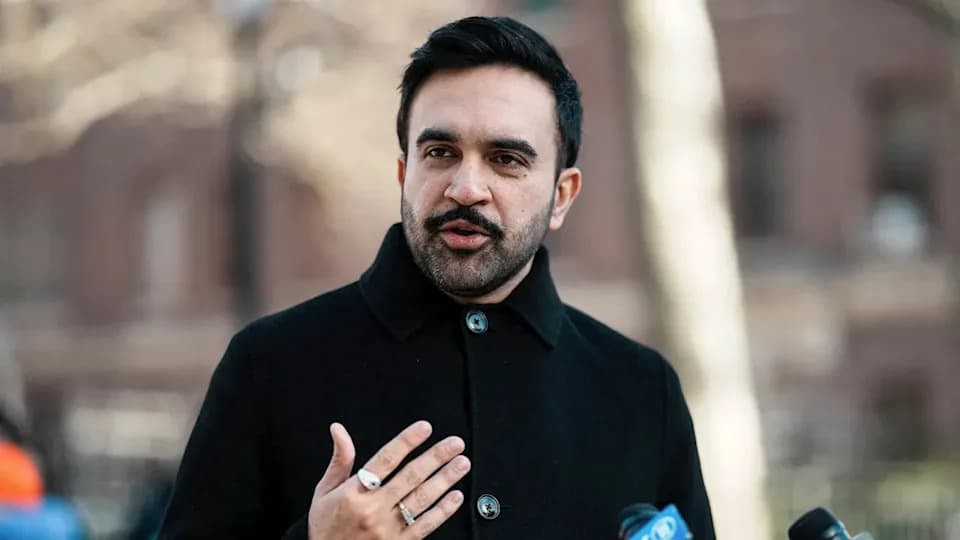
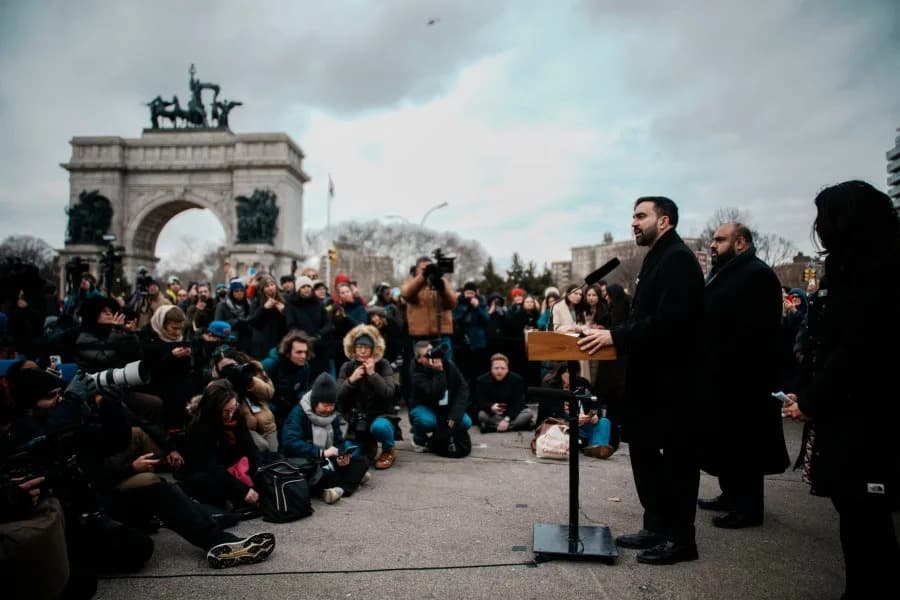
New York City Mayor Zohran Mamdani speaks at a Brooklyn library in December. Mamdani attended the progressive Bank Street School, which ex-classmates and teachers say played a key role in nurturing his love of politics. (Spencer Platt/Getty Images)
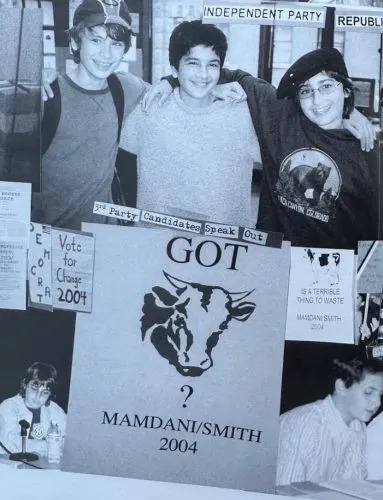
A page from the Bank Street School for Children yearbook featuring Zohran Mamdani (center) surrounded by classmates John McAuliff (left) and Evan Roth Smith. (Courtesy of Evan Roth Smith)

Evan Roth Smith
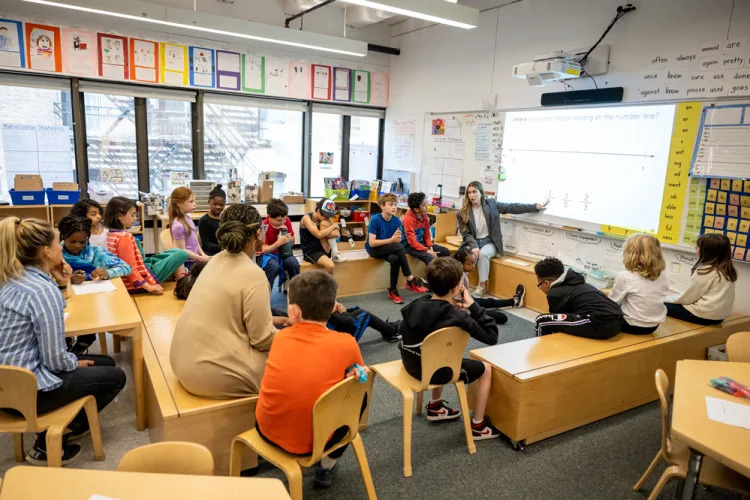
A classroom at Bank Street School for Children. The school offers a progressive, hands-on education that encourages intellectual curiosity, flexibility and “gentleness,” urging students to “live democratically” inside and outside of school. (Courtesy of Bank Street College of Education)
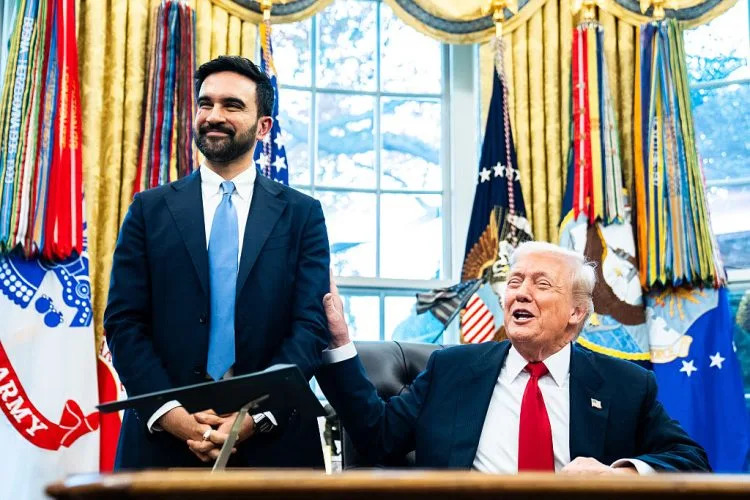
President Donald Trump and Mamdani during a meeting in the Oval Office in November. After meeting Mamdani, Trump told reporters, “We have one thing in common: We want this city of ours that we love to do very well.” (Demetrius Freeman/The Washington Post via Getty Images)

John McAuliff
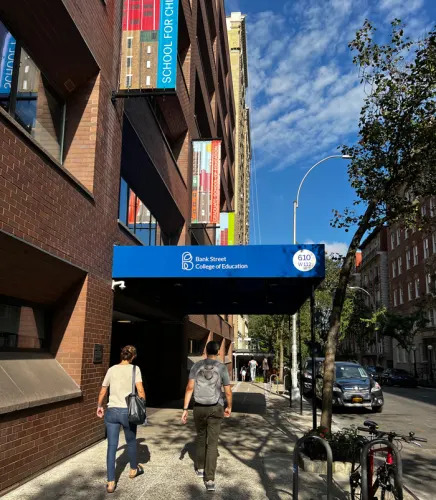
Bank Street College of Education, which runs the School for Children, was founded in 1918 as an institute for child-centered learning. (Courtesy of Bank Street College of Education)
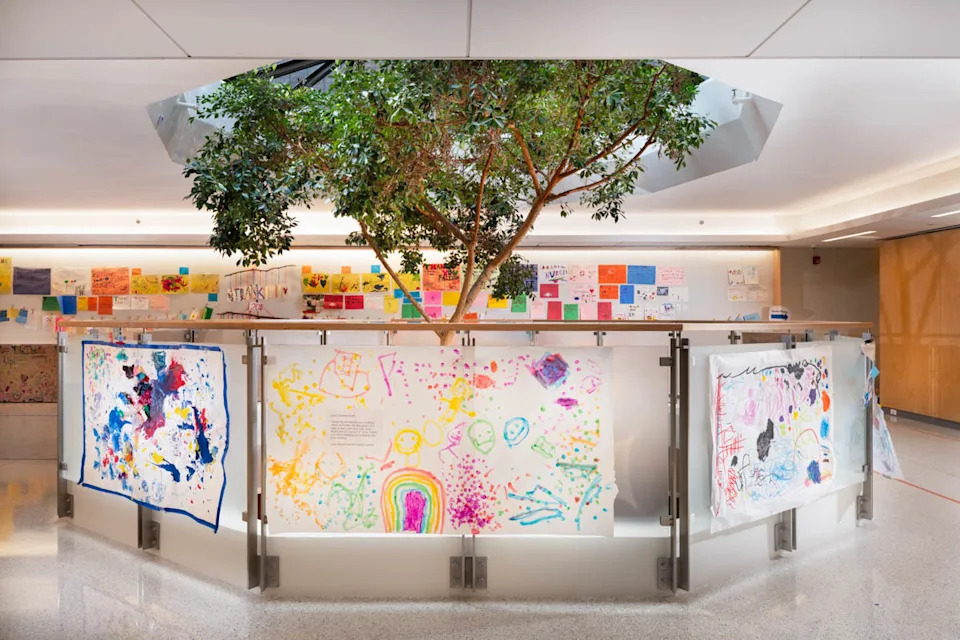
Student artwork on display at Bank Street School for Children, founded in 1916 as an alternative to many schools’ memorization-heavy learning curricula. (Courtesy of Bank Street College of Education)
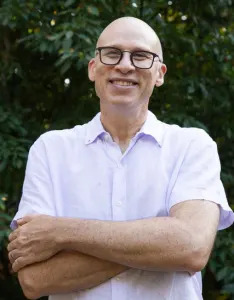
Shael Polakow-Suransky
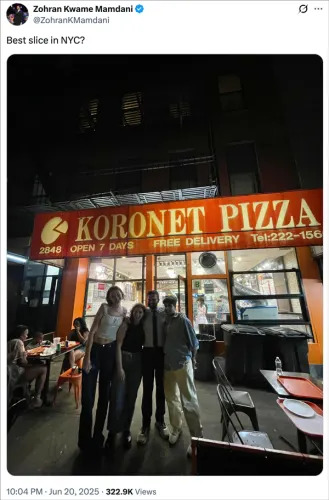
In an image from Zohran Mamdani’s Twitter account, he and his family enjoy pizza last June at a well-known Broadway pizzeria around the corner from Bank Street School. (Twitter screen grab)

Ali McKersie
Help us improve.