Dec. 30: Two passenger trains collided head‑on between Ollantaytambo and Aguas Calientes, the rail route to Machu Picchu, killing a conductor and injuring dozens, including about 20 in serious condition. Eyewitness Niels Honkoop described 'chaos' inside the carriages, broken furniture and severely injured passengers; he aided others until emergency crews arrived. The trains were operated by PeruRail and Inca Rail, and an official investigation into the cause is ongoing.
Head‑On Train Collision Near Machu Picchu Kills Conductor, Injures Dozens — Survivor Describes 'Chaos'
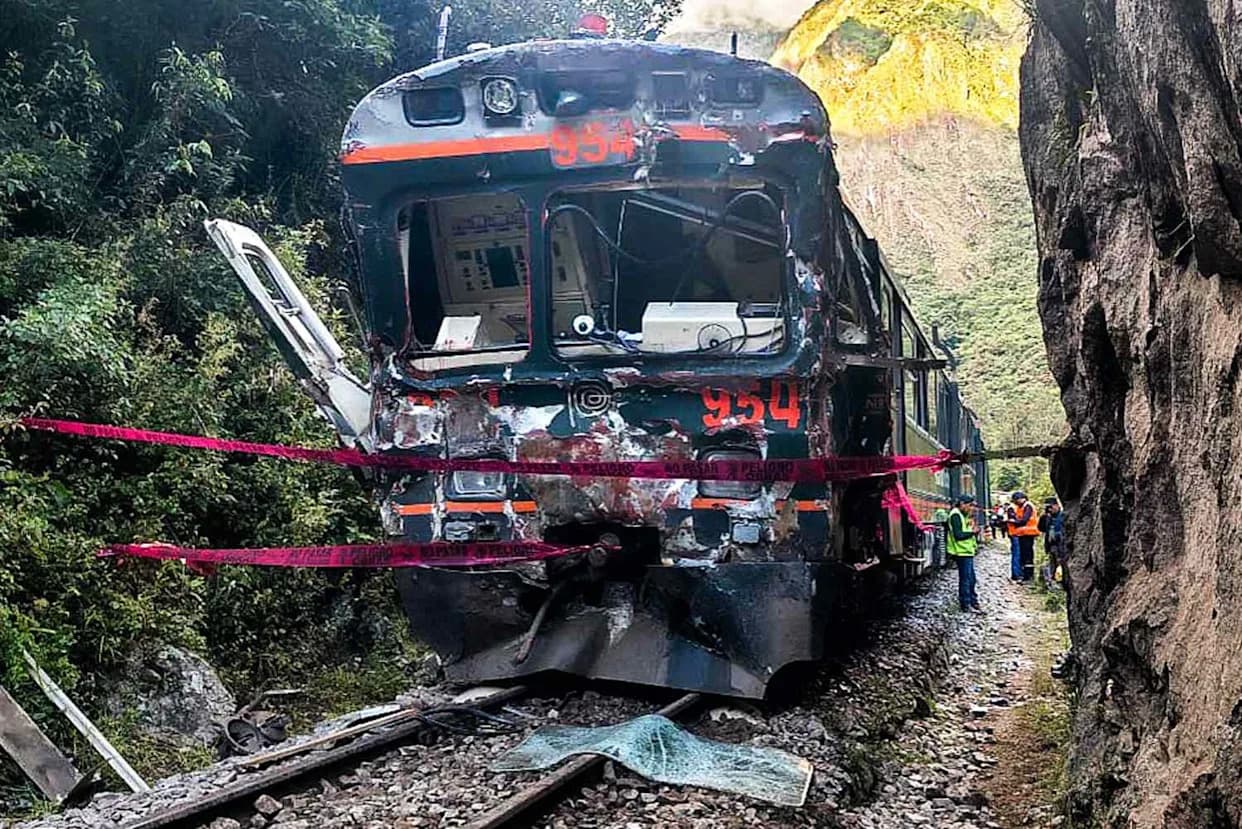
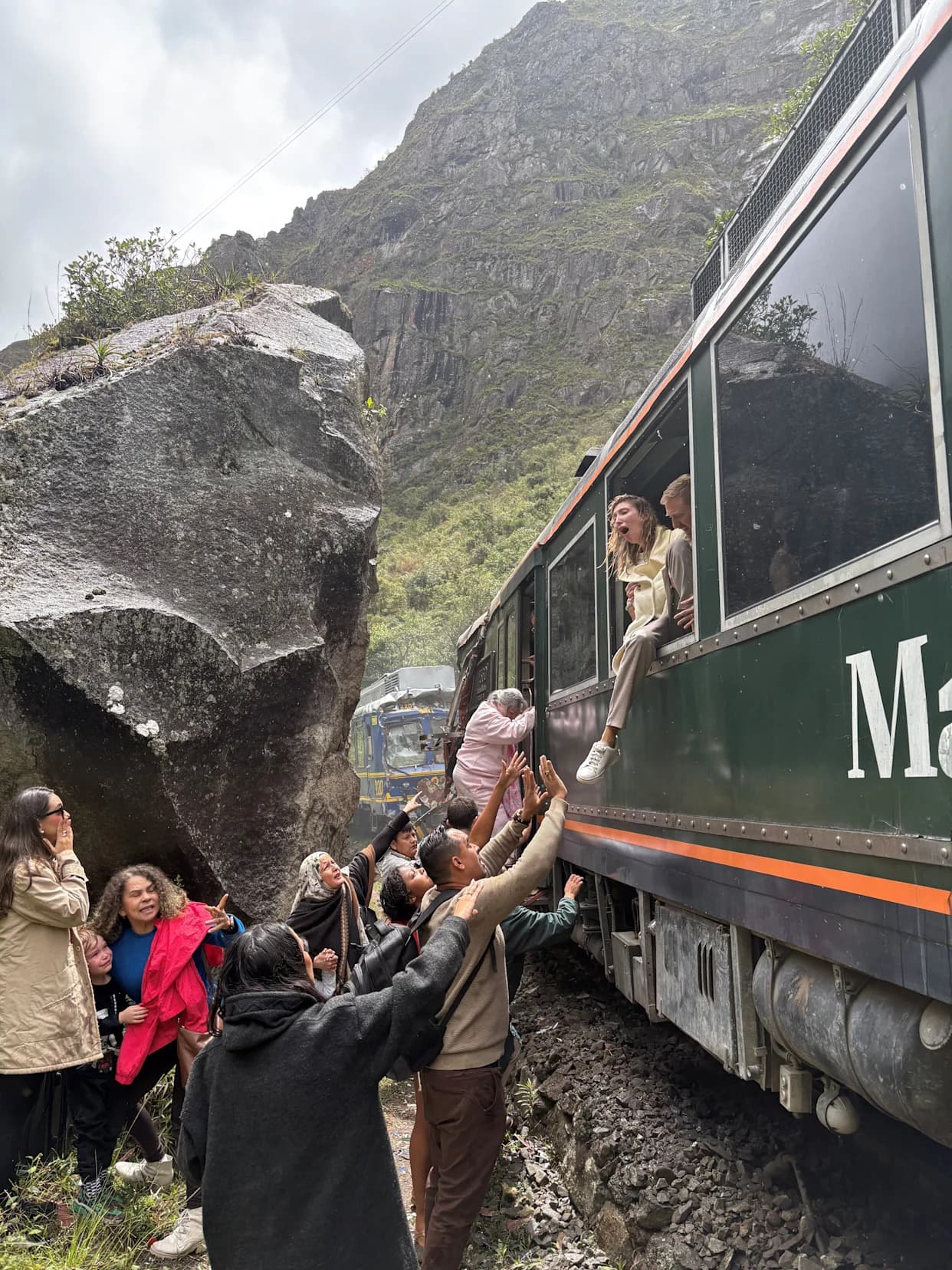
Carolina Paucar / AFP via GettThe aftermath of the train crash on Dec. 30 in Peru.
On Dec. 30, two passenger trains collided head‑on on the rail line that serves the Machu Picchu tourist area, killing a train conductor and leaving dozens of people injured, Peruvian authorities and international outlets reported.
What Happened
The collision occurred on the section of track between Ollantaytambo Station and the town of Aguas Calientes — the primary rail route for tourists visiting the UNESCO World Heritage site of Machu Picchu. The trains were operated by two different companies, PeruRail and Inca Rail.
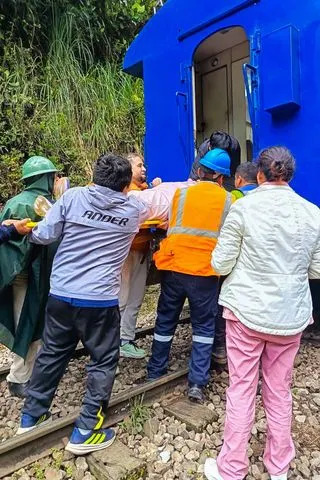
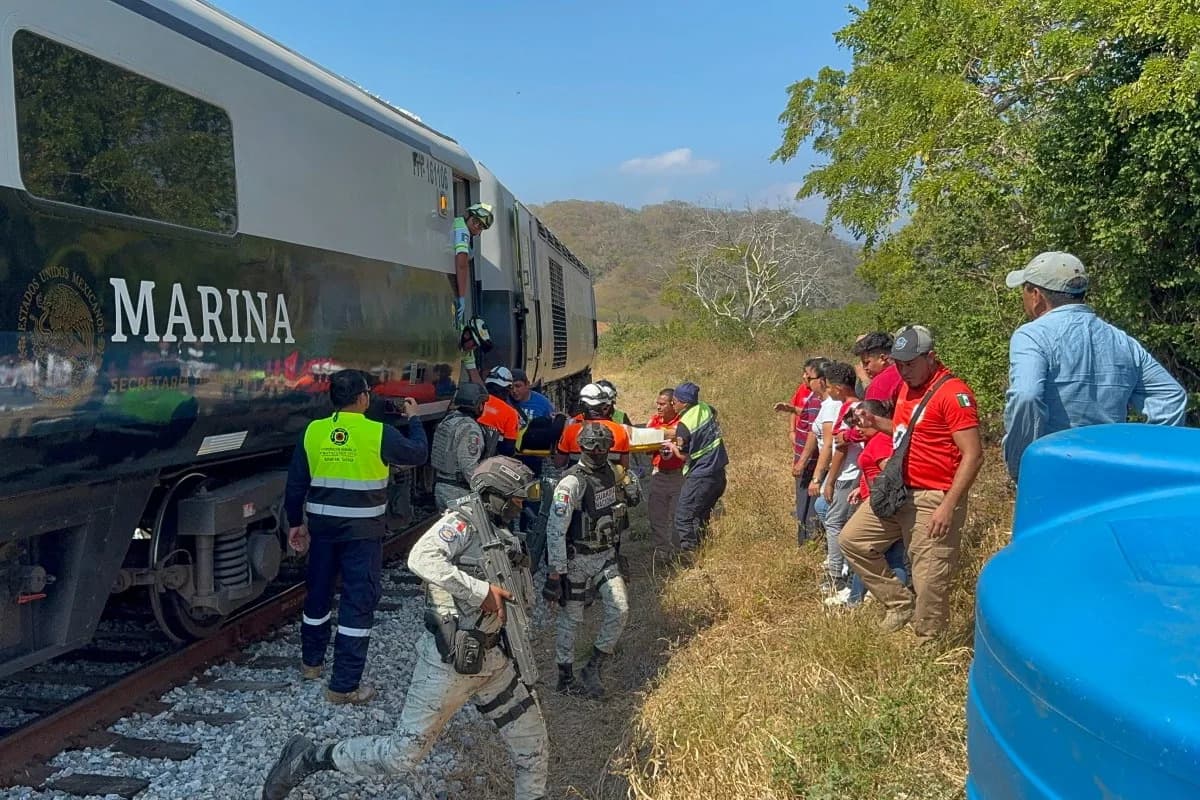
Carolina Paucar / AFP via GettyFirst responders assisting at the scene on Dec. 30.
Casualties And Response
Local prosecutors in Cusco confirmed that the conductor of one train was killed. Authorities reported dozens of injuries, with roughly 20 people described as being in relatively serious condition. Dramatic footage circulated on social media and in broadcasts showed passengers exiting carriages and injured people receiving first aid or being carried away by emergency teams.
Eyewitness Account
'I saw staff running around and people crying and people on the floor and chaos erupted,' said 33‑year‑old passenger Niels Honkoop in an interview with the BBC. He described tables broken in two and people with severe bleeding; he also assisted other passengers by distributing pain medication he had following a dental procedure.
Investigation Underway
An official inquiry has been opened to determine the cause of the crash. Prosecutors and national transport and safety agencies will examine operational records, signalling systems and staff actions to establish responsibility. The U.S. Embassy in Peru, Peru's Ministry of Foreign Affairs and the Peruvian National Police did not immediately respond to requests for comment from international media.
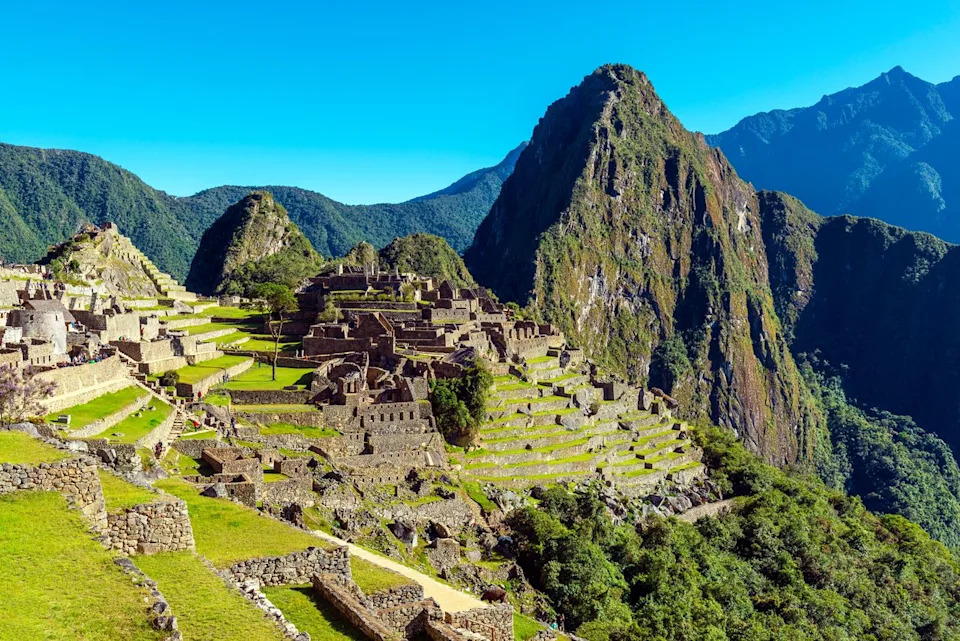
GettyMachu Picchu, the famed archaeological site in Peru.
PeruRail issued a brief statement to media, saying it 'deeply regret[s] what has happened.' Investigators have not yet released findings on the sequence of events that led to the collision.
Context
Machu Picchu sits at about 2,430 metres above sea level in a tropical Andean forest and is one of Peru's top tourist attractions. UNESCO describes it as a remarkable urban achievement of the Inca Empire. The site receives roughly 1.5 million visitors a year, most of whom arrive by train, underscoring the importance of the rail route that was involved in the accident.
Emergency services from nearby towns responded to the scene and transported injured passengers to local medical facilities. As inquiries continue, rail operators and authorities face heightened scrutiny over safety and operational practices on the route.
Help us improve.