President Trump said the U.S. may establish a presence in Venezuela to secure oil access and suggested troops could be involved. Experts warn that guarding Venezuelan oilfields and aging infrastructure would be costly, politically risky and could provoke resistance or insurgency. Much of Venezuela’s oil is extra‑heavy crude that needs expensive upgrading and investment, and most operations remain under state control (PDVSA), with only Chevron among major U.S. firms still active. Analysts say it is unclear who U.S. forces would be protecting against or whether seizing fields would be necessary.
Trump Signals U.S. Presence to Secure Venezuelan Oil — But Troops Would Face High Risks

The Trump administration wants to secure access to Venezuelan oil. Venezuela's aging oil infrastructure, like this state-run refining plant, has suffered from leaks, rusting pipes and broken equipment.YURI CORTEZ/AFP via Getty Images
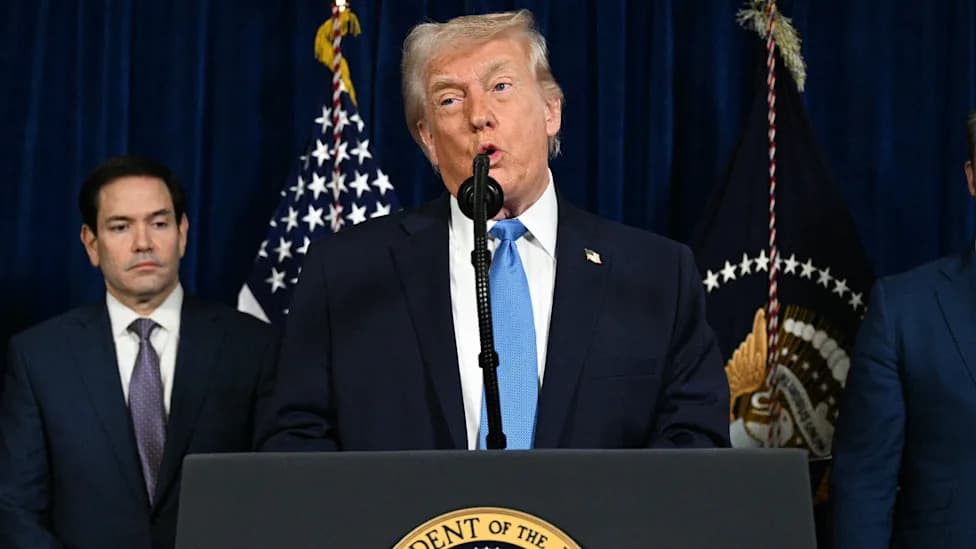
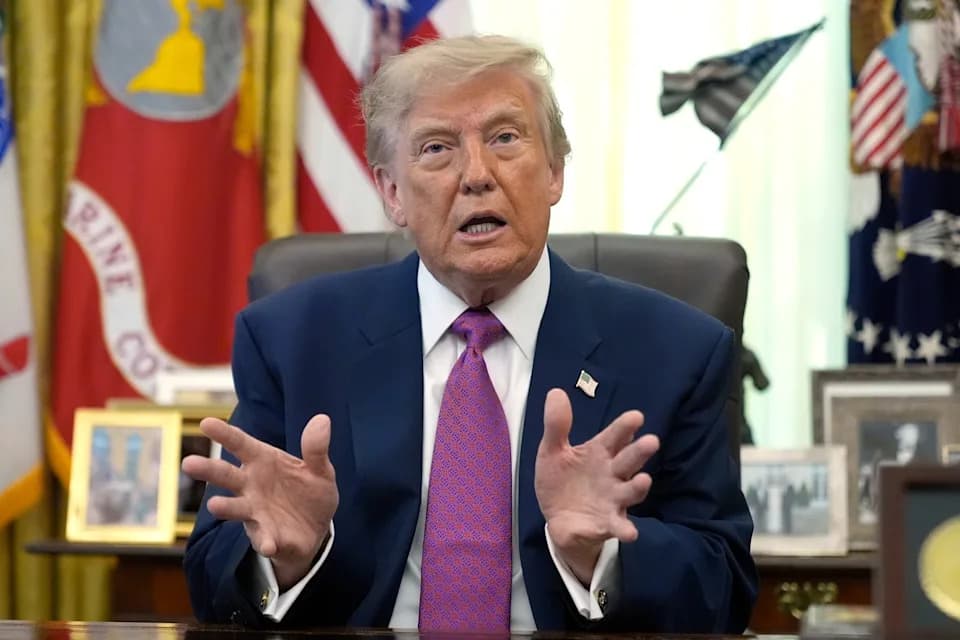
President Donald Trump has indicated the United States may establish a presence in Venezuela aimed at securing access to the country’s vast oil reserves — and suggested that U.S. troops could play a role. Speaking at Mar‑a‑Lago, Trump said,
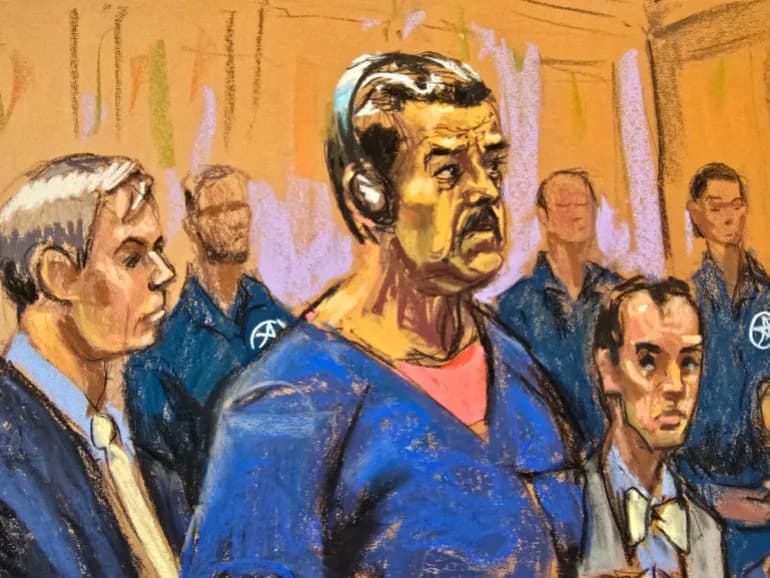
“We're going to have a presence in Venezuela as it pertains to oil. So you may need something, not very much.”His comments followed a high‑stakes operation in Caracas that led to the capture of an indicted Venezuelan leader.
Operational and Political Challenges
Venezuela holds some of the world’s largest proven oil reserves, but safeguarding its fields and aging infrastructure would be complex, costly and politically sensitive. Military and energy experts told Business Insider that any mission to protect oil assets would require a secure operating environment, clear legal authority and likely congressional authorization or additional funding.
Lessons From Past Conflicts
Retired Army colonel and counterinsurgency expert Peter Mansoor warned that foreign troop deployments normally provoke resistance unless invited. Drawing on his experience in Iraq, Mansoor noted that local forces were responsible for much of the oil infrastructure there and that those facilities proved highly vulnerable during the insurgency: pipelines were bombed, refineries were struck by indirect fire, and oil was diverted through hijacked tankers and black markets. “All of those things happened in Iraq, and they could happen here too,” Mansoor said.
Technical and Investment Hurdles
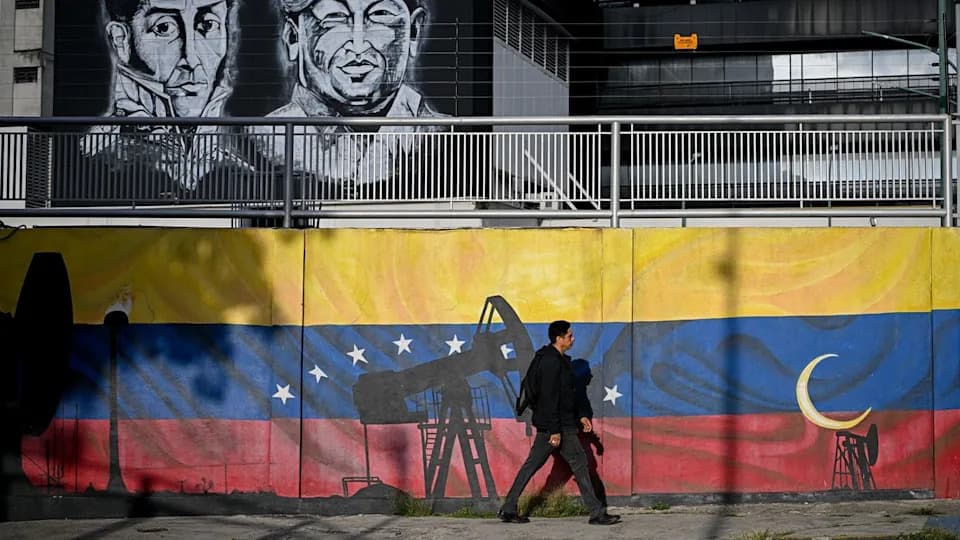
Most Venezuelan operations remain controlled by the state oil company PDVSA, which absorbed assets formerly held by U.S. firms; among major U.S. companies, only Chevron still has operations in the country. A large portion of Venezuela’s reserves consists of extra‑heavy, tar‑like crude that is difficult to move and refine. Industry analysts say such crude typically requires upgrading — substantial upfront capital investment and specialized facilities — before it can be transported efficiently on global markets.
Ben Cahill, an energy analyst at the University of Texas at Austin, noted that while the reserves are enormous, realizing their value would depend on a political transition and the return of an investment‑friendly regime to attract private capital. “All of that requires a lot of upfront investment,” Cahill said.
U.S. Military Experience — And Limits
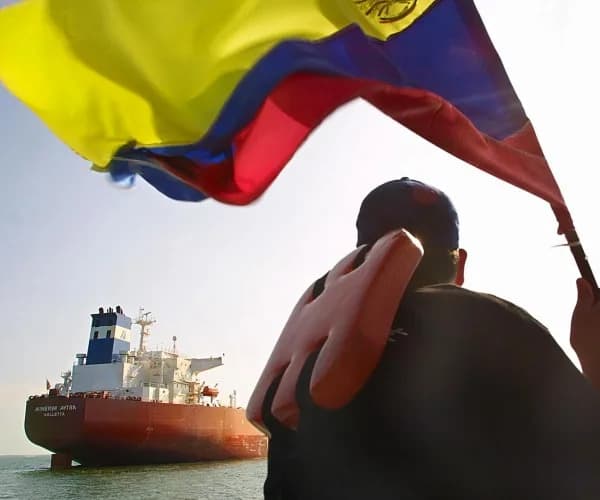
The U.S. military has experience operating near and protecting energy infrastructure: troops have patrolled near oilfields in eastern Syria; naval vessels and Coast Guard cutters guarded platforms off Iraq and intercepted smugglers; and U.S.-led task forces have escorted tankers threatened by missile and drone attacks in the Red Sea. Still, analysts emphasize that those missions took place in different operational and political contexts than Venezuela.
Unclear Threats And Objectives
Observers say the biggest unknown is the nature of the threat U.S. forces would be expected to counter. Bryan Clark, a senior fellow at the Hudson Institute, asked whether U.S. forces would need to seize oilfields in an active fight or simply protect facilities after a domestic political transition changed how resources are managed. “What's unclear here is who is actually the opponent,” Clark said. He cautioned that declaring U.S. protection of oil facilities is premature given the unresolved political and security picture in Venezuela.
Political Costs and Aftermath
Analysts also noted the unusually explicit focus on oil in public remarks by U.S. officials — a contrast with past conflicts where other justifications were emphasized. Paul Poast, a political scientist at the University of Chicago, questioned how much planning has gone into the post‑operation phase, pointing to the U.S.'s mixed historical record overseeing complex foreign transitions.
Bottom line: While Venezuela’s oil resources could be attractive under the right political and investment conditions, deploying U.S. forces to guard those assets would carry significant operational, legal and political risks — and would require careful planning, funding and a clear definition of objectives.
Help us improve.