
Republican leaders in Congress are advancing health proposals centered on HSAs and cost-sharing reductions while declining to extend enhanced ACA subsidies that expire Dec. 31. Analysts warn that letting the Covid-era tax credits lapse could more than double average premiums and increase the uninsured by roughly 2 million people. Senate votes on competing GOP and Democratic plans failed, and moderate Republicans are exploring discharge petitions and bipartisan options — but leadership so far resists, leaving the outcome uncertain.
GOP Advances Health Agenda While Leaving Looming ACA Premium Hikes Unaddressed

Speaker of the House Mike Johnson at a press conference on Wednesday, at the US Capitol in Washington, DC. - Heather Diehl/Getty Images
Congressional Republicans this week pressed forward with a GOP-centered health care agenda that avoids directly extending the enhanced Affordable Care Act (ACA) subsidies set to expire at year-end — a move that has drawn urgent appeals from moderates inside the conference and alarm from health-policy analysts.
Standoff Over Expiring Subsidies
As the December 31 deadline approaches, Republicans in the House and Senate have opted to emphasize long-standing party priorities such as expanding health savings accounts (HSAs) and reviving cost-sharing reduction payments, rather than endorsing short-term extensions of the Covid-era enhanced tax credits that helped make premiums affordable for tens of millions.
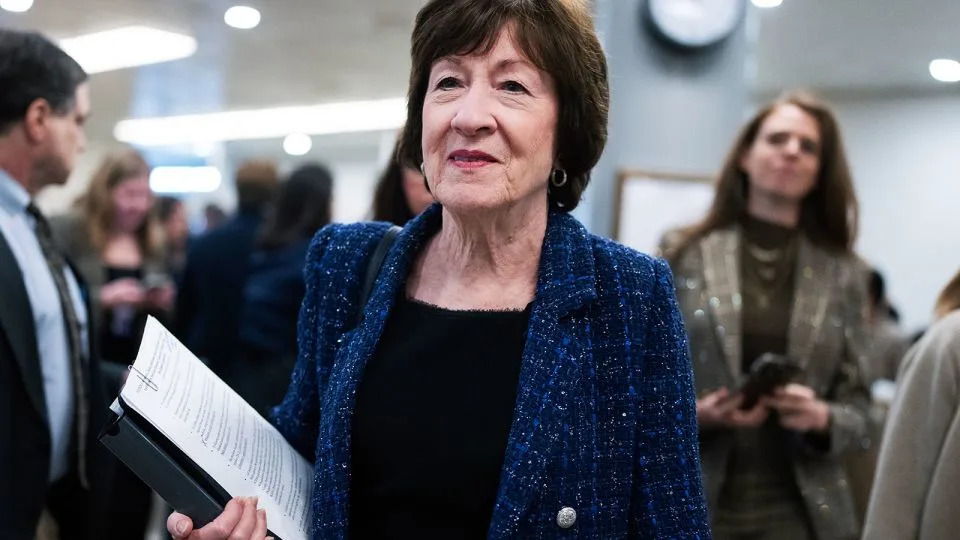
Sen. Susan Collins is seen in the Senate subway on Tuesday. - Tom Williams/CQ-Roll Call, Inc./Getty Images
Advocates warn of steep consequences if the enhanced subsidies lapse: nonpartisan KFF estimates the average enrollee could see premiums more than double — roughly a $1,000 increase — while the Congressional Budget Office projects as many as 2 million additional uninsured next year.
Senate Votes Highlight the Divide
On Thursday, the Senate rejected both a Republican bill led by Sens. Bill Cassidy and Mike Crapo to expand HSAs and resume some cost-sharing payments, and a Democratic proposal to extend the enhanced subsidies for three years. Four Senate Republicans — Lisa Murkowski, Susan Collins, Dan Sullivan and Josh Hawley — voted with Democrats to try to advance the extension but the measure still failed.
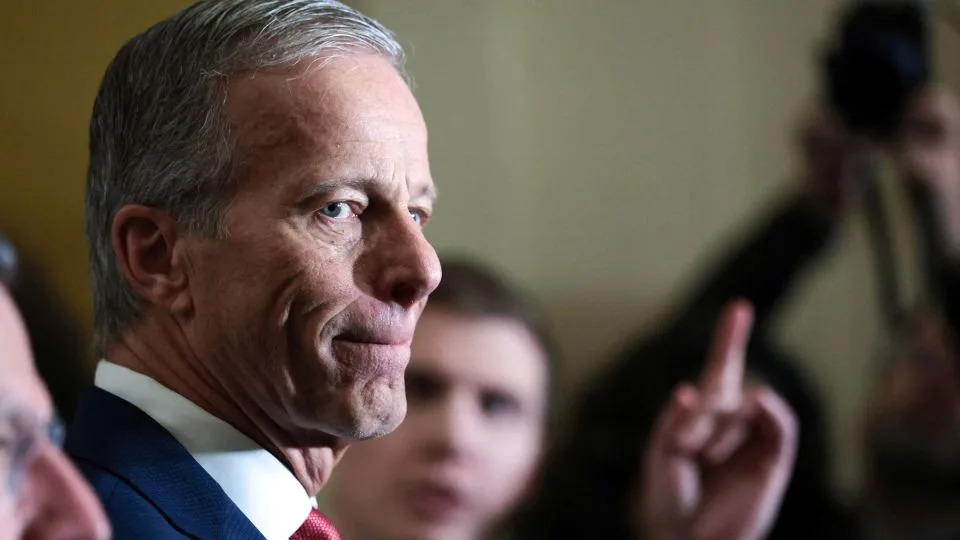
Senate Majority Leader John Thune addresses reporters after the weekly Senate Republican conference policy luncheon at the US Capitol, December 2, 2025. - Jonathan Ernst/Reuters/File
"What we did today is we demonstrated what we can't do," said Sen. Lisa Murkowski, noting neither party's proposal secured majority support.
Pressure and Political Risks
Moderate Republicans and vulnerable House members have privately urged leadership to act to avert the premium spike, exploring options ranging from appeals to the White House to using a discharge petition to force a vote — a move some describe as a "nuclear option." Rep. Brian Fitzpatrick has filed such a petition, and other centrists are circulating bipartisan proposals that would require Democratic cooperation and the endorsement of House Minority Leader Hakeem Jeffries.
House Speaker Mike Johnson and Senate Majority Leader John Thune, however, have resisted committing to an extension, arguing they prefer proposals they say will address rising costs without endorsing the existing subsidies. Thune expressed a preference for a bipartisan, durable 60-vote solution over a partisan reconciliation maneuver, though he did not rule out additional options.
Where Things Stand
House GOP leaders plan to bring a slate of health bills focused on HSAs and cost-sharing reductions to the floor next week, but closed-door meetings revealed little consensus on extending subsidies or the length of any temporary fix. President Trump has remained largely on the sidelines, and House Republicans are privately skeptical about attempting another reconciliation bill after earlier major legislation this year.
The result is a familiar political impasse: moderates on both sides urge bipartisan compromise to prevent large premium increases and coverage losses, while party leaders prioritize a unified GOP message and long-term reforms. With weeks remaining, the likelihood of a late bipartisan package or a last-minute legislative workaround remains uncertain.
What To Watch
- Whether House moderates can gather enough signatures for a discharge petition to force a vote on a short-term extension.
- Any shift in White House posture or leadership backing for a bipartisan compromise.
- Potential use of reconciliation or a short-term stopgap measure before December 31.


