Cambodia says Thailand launched air strikes hours after ASEAN talks in Kuala Lumpur, undermining hopes for an immediate truce. Renewed fighting this month has killed at least 23 people in Thailand and 20 in Cambodia and displaced more than 900,000. Bilateral talks are scheduled in Chanthaburi, but both sides continue to trade blame and officials warn a ceasefire must be backed by actions, not announcements.
Cambodia Says Thailand Launched Air Strikes After ASEAN Meeting — Ceasefire Hopes Dim

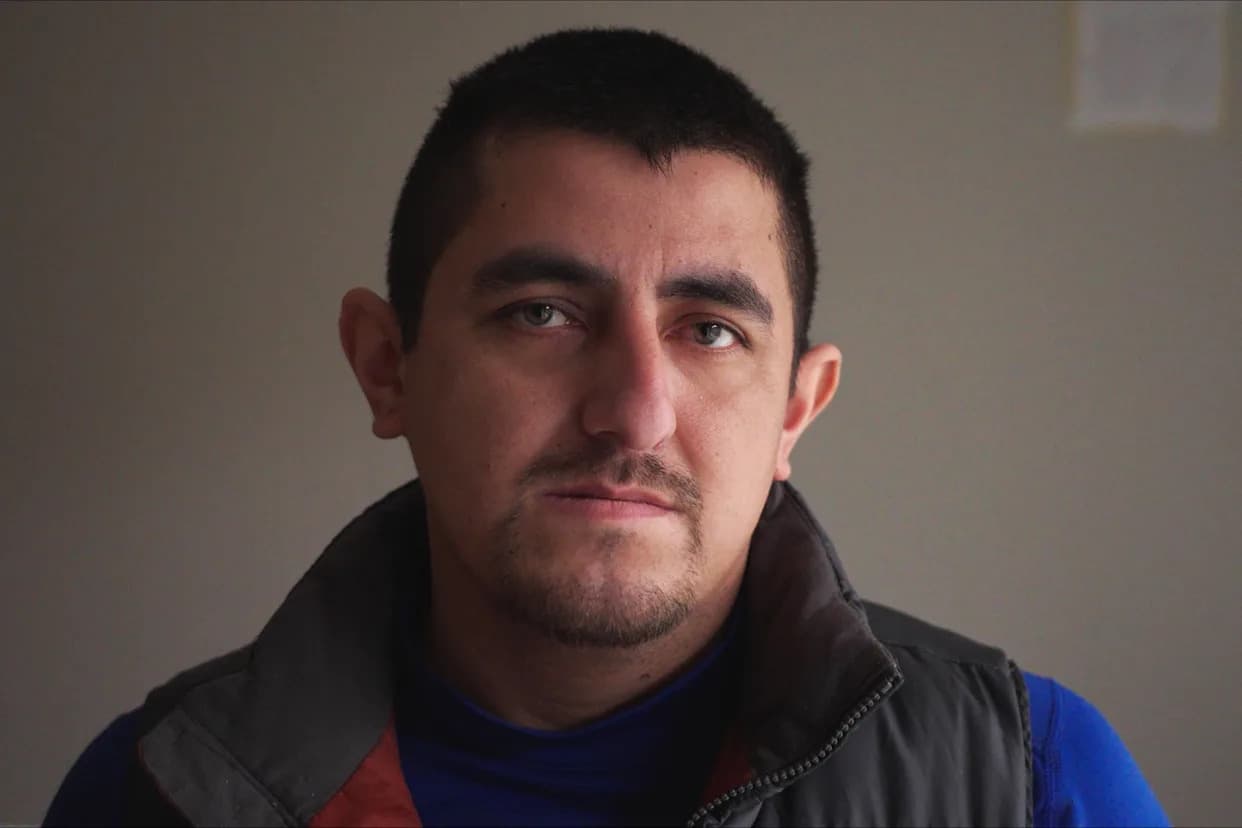
Thailand's Foreign Minister Sihasak Phuangketkeow says a previous truce with Cambodia, shattered by reignited violence, was rushed (MOHD RASFAN)(MOHD RASFAN/AFP/AFP)
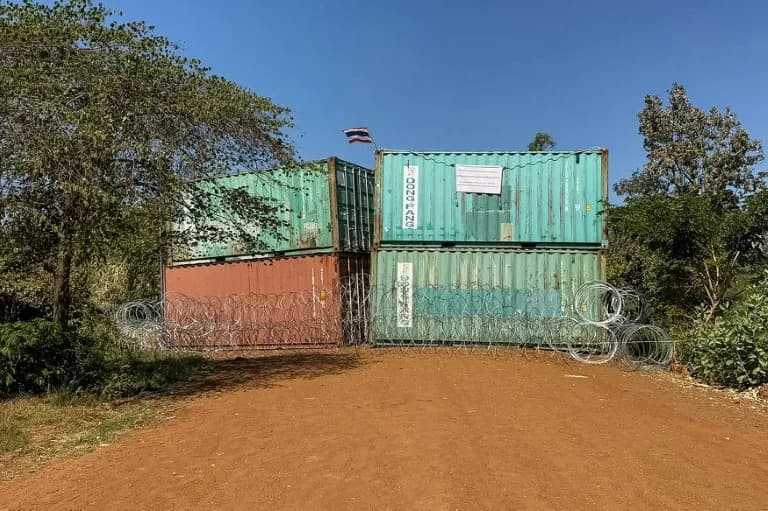
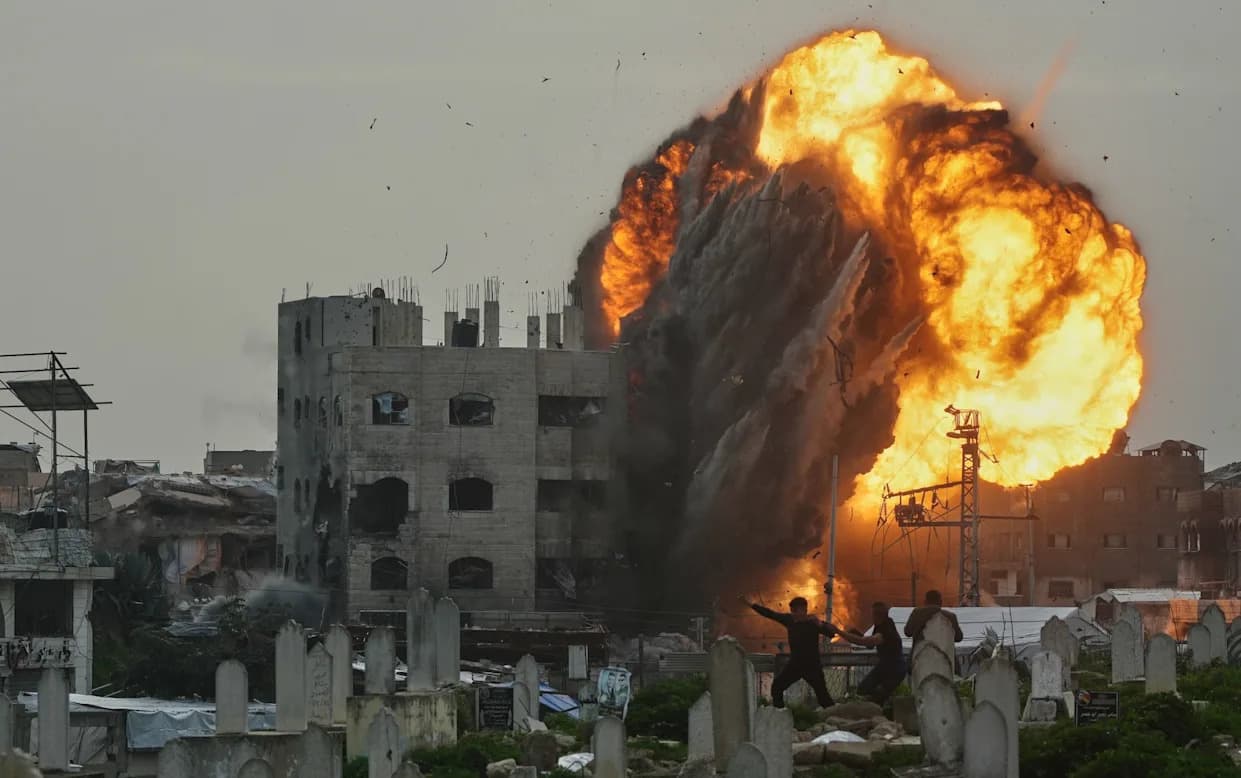
Cambodia accused Thailand of launching air strikes on its territory on Monday, just hours after Bangkok and Phnom Penh attended an ASEAN meeting in Kuala Lumpur and announced planned talks to try to halt renewed border fighting.
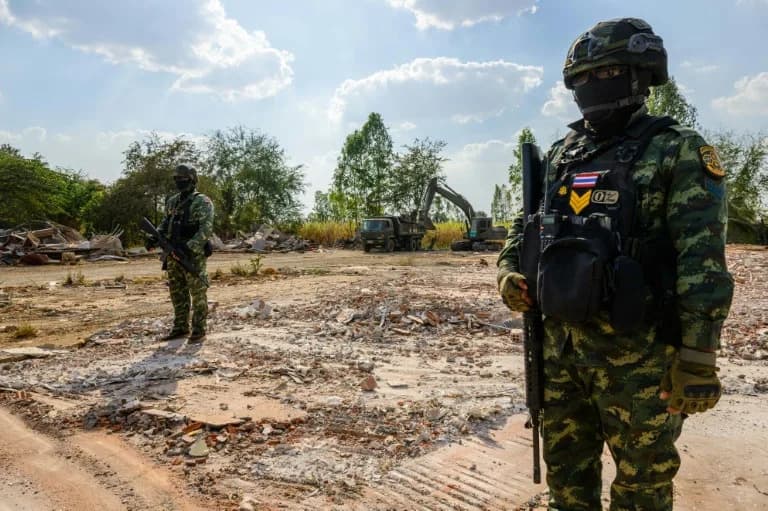
The latest escalation shattered a fragile truce and has inflicted heavy human costs: officials say at least 23 people have been killed in Thailand and 20 in Cambodia, and more than 900,000 civilians on both sides have been displaced.
Thailand's foreign minister, Sihasak Phuangketkeow, had told reporters after the ASEAN session that bilateral talks would be held on Wednesday in Chanthaburi under the framework of an existing border committee. But Cambodia's defence ministry said that, hours after the regional meeting, Thai fighter jets bombed areas of Siem Reap and Preah Vihear provinces.
Siem Reap is home to the Angkor temple complex — including Angkor Wat, a UNESCO World Heritage site — and the alleged bombardment reportedly struck areas near Srae Nouy commune, roughly an hour's drive from the main temple complex.
The Thai army said Cambodia fired dozens of rockets into Thai territory on Monday and that Thailand's air force responded by striking two Cambodian military targets. Phnom Penh also accused Thailand of firing artillery into Cambodian territory. Both governments continue to trade blame, each saying it acted in self-defence.
"Our position is a ceasefire does not come with an announcement, but must come from actions," said Thailand's foreign minister Sihasak, warning the upcoming meeting may not immediately produce a truce.
ASEAN Response And Background
Monday's crisis meeting in Kuala Lumpur was convened by ASEAN chair Malaysia. The regional body previously oversaw a truce declaration in October that was brokered with international involvement; Thailand's foreign minister has since criticized the October declaration as rushed, saying the United States pushed for a signature during President Trump's visit.
Malaysia's foreign minister, Mohamad Hasan, urged ASEAN representatives and the feuding neighbours to "give this matter our most urgent attention," warning of the broader consequences of continued escalation. Malaysian Prime Minister Anwar Ibrahim has also called on ASEAN to press both sides to secure peace.
Negotiation Conditions And Humanitarian Impact
Cambodia has said it remains optimistic that Thailand will demonstrate sincerity in implementing a ceasefire and has reiterated a commitment to resolving differences by peaceful means, dialogue and diplomacy. Thailand, however, has said it expects Cambodia to publicly announce a truce first and to cooperate on de-mining operations along the contested border.
The conflict stems from a long-running territorial dispute rooted in colonial-era border demarcation and contested frontier temple sites. Civilians continue to suffer: Cambodia's interior ministry reported one civilian — identified as a Chinese mining company worker — was wounded, and Beijing called on both sides to reach a ceasefire as soon as possible.
With diplomatic efforts continuing, officials caution that any durable ceasefire will require verification, concrete steps and time; for now, the situation remains volatile and the prospect of immediate peace is uncertain.
Help us improve.