Deputy Attorney General Todd Blanche defended moving Ghislaine Maxwell this summer from a Florida prison to a minimum‑security federal camp in Texas, saying the transfer was prompted by threats to her life. Blanche told NBC's Meet the Press that the Bureau of Prisons made the housing decision and that it can be revisited if security requires. Maxwell, convicted in 2022 on child sex trafficking charges and sentenced to 20 years, has exhausted direct appeals and has filed post‑conviction motions while reportedly seeking a commutation. Blanche also justified meeting with Maxwell and defended the DOJ's release of heavily redacted Epstein‑related records.
Blanche Defends Transfer of Ghislaine Maxwell to Minimum‑Security Camp, Citing Threats to Her Safety

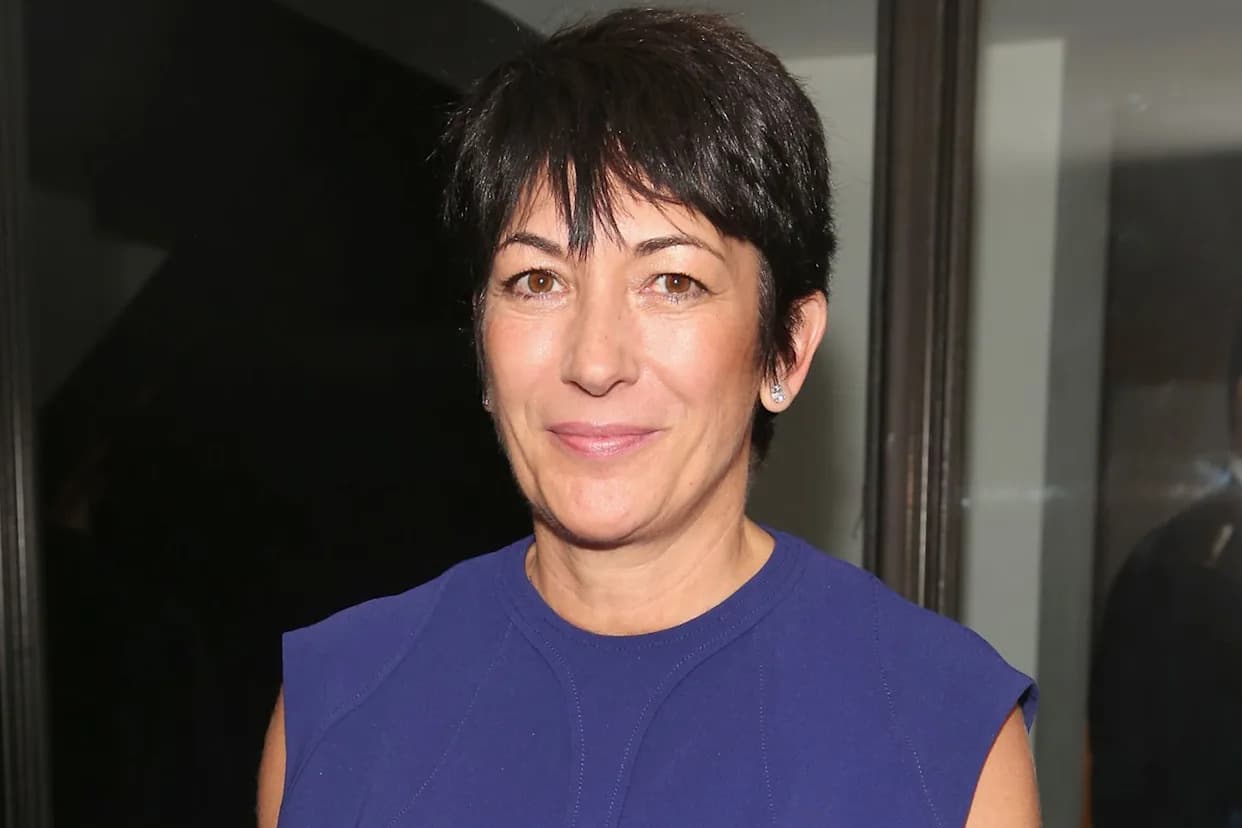
Deputy Attorney General Todd Blanche on Sunday defended the Department of Justice's decision earlier this year to transfer convicted sex offender Ghislaine Maxwell from a Florida prison to a minimum‑security federal prison camp in Texas, saying the move was prompted by credible threats to her safety.
In an interview on NBC's Meet the Press with Kristen Welker, Blanche said the Bureau of Prisons (BOP) made the transfer and that "every decision that they make lands on my desk to the extent it needs to." He said he did not elaborate on the specific threats, but described the security environment around Maxwell as severe at the time he met with her.
Why the Transfer?
Blanche characterized the transfer as a security-driven action: he told Welker that Maxwell faced "a tremendous amount of scrutiny and publicity" and "numerous threats against her life" while housed at the Florida facility. He emphasized that BOP housing decisions can change quickly and that Maxwell could be moved again if security concerns warrant it.
"At the time that I met Miss Maxwell, there was a tremendous amount of scrutiny and publicity toward her, and the institution she was in, she was suffering numerous and numerous threats against her life," Blanche said.
Legal Status and Most Recent Filings
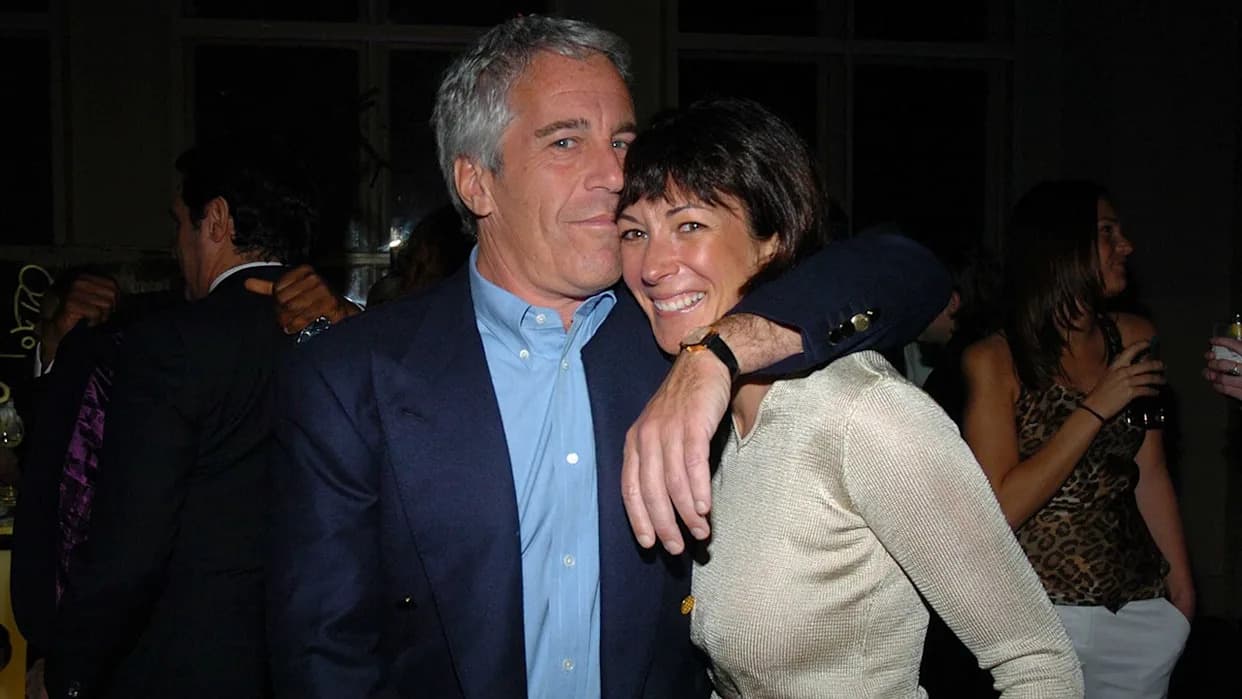
Maxwell, once a close associate of Jeffrey Epstein, was convicted in 2022 on child sex trafficking charges and sentenced to 20 years in prison. Her direct appeals have been exhausted: the Supreme Court declined to take up her appeal in October. According to documents obtained by House Democrats and reported by POLITICO, Maxwell has sought a commutation from former President Donald Trump. Separately, she reportedly asked a federal court to vacate or correct her conviction and sentence, arguing her trial was unfair in light of what her lawyers describe as "substantial new evidence."
Meeting With Maxwell and DOJ Outreach
Blanche defended his decision to meet with Maxwell over two days in July, saying the Justice Department also engaged with victims and victims' rights groups as recently as the preceding week. He argued that speaking with someone who claims to have information is part of the department's responsibilities, even when the person has been convicted.
"Nobody ever talked to her. Nobody ever asked her questions about what she knew. So when she said she had something she wanted to say — notwithstanding the fact that she had been convicted — of course we went and talked to her," Blanche said. "Imagine if we didn't talk to her... The same outrage would be directed at this department for not speaking with her."
Redacted Files and Compliance Dispute
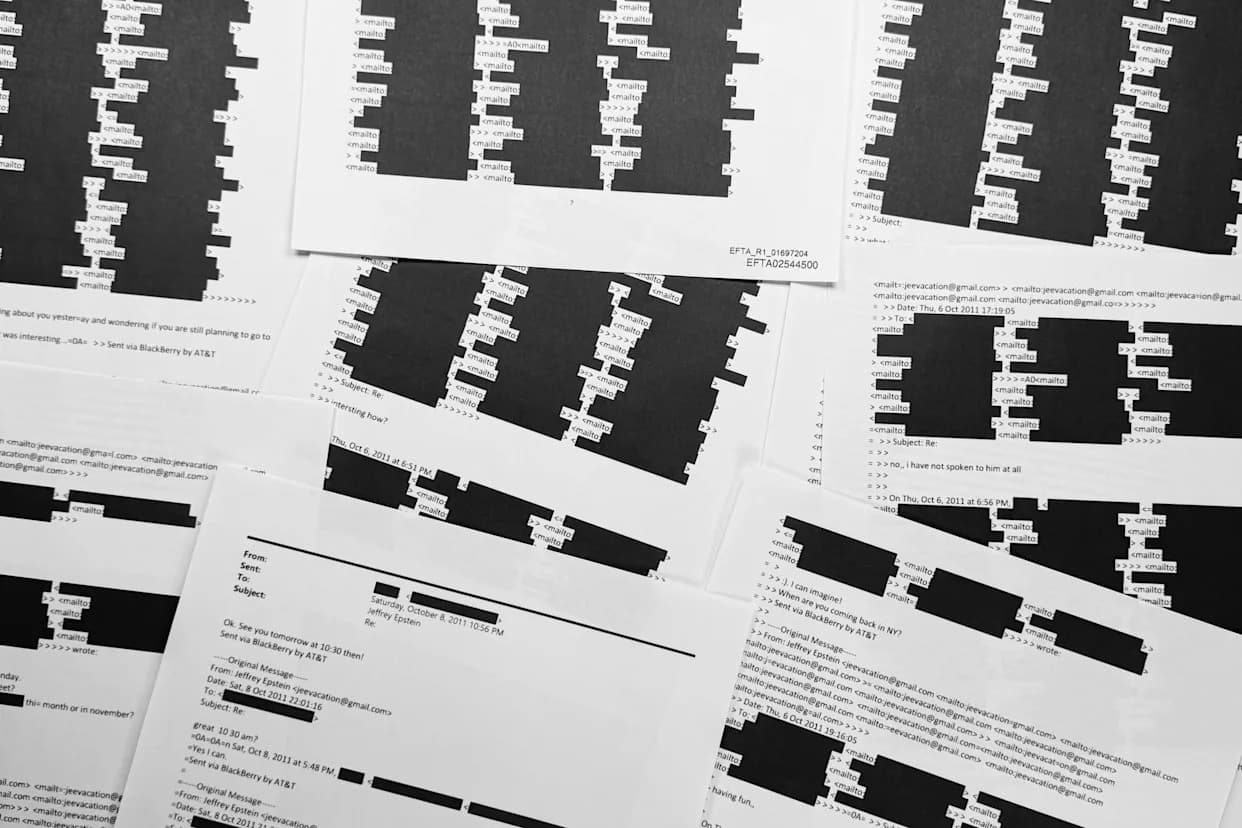
Blanche also defended the DOJ's release of heavily redacted Epstein‑related files, insisting the department complied with a law signed by President Trump while acknowledging that the agency missed the statutory deadline to make all documents public. The redactions and delay have drawn criticism from lawmakers and advocacy groups seeking fuller transparency.
Key facts: Maxwell was moved from a Florida prison to a minimum‑security camp in Texas this summer, ostensibly for her safety; BOP policy typically bars inmates with a sex‑offender "public safety factor" from minimum‑security camps; Maxwell is pursuing both executive relief (a possible commutation or pardon) and a court motion asking to vacate or correct her conviction.
Help us improve.