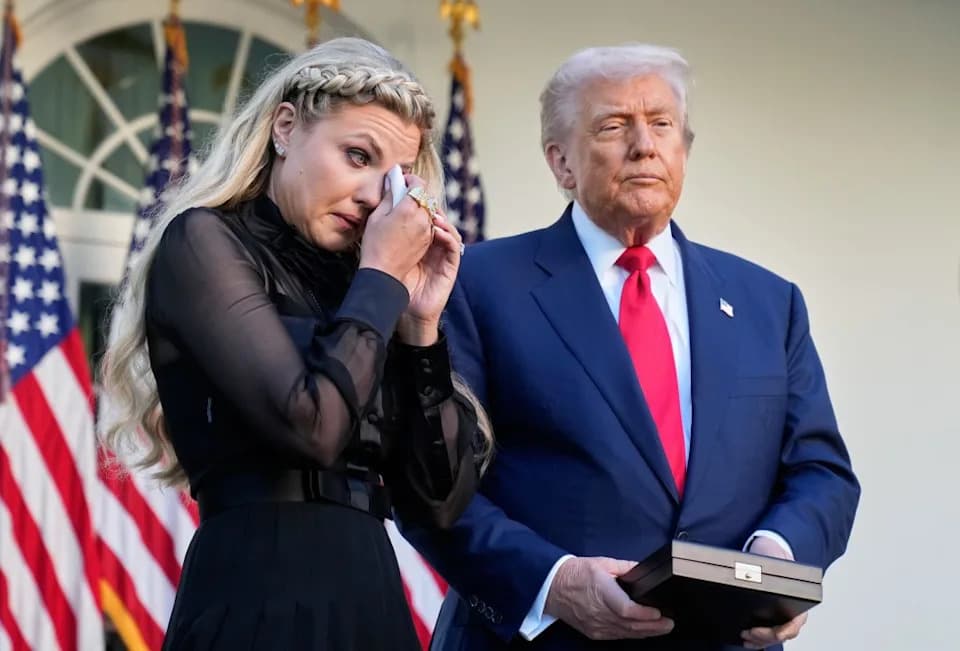
Former Rep. Tulsi Gabbard told attendees at TPUSA’s AmericaFest that an "Islamist ideology" threatens Western freedom and individual liberty, citing reported cancellations of some Christmas markets in Germany for security reasons. She is not the Director of National Intelligence, and the Office of the Director of National Intelligence did not confirm that her remarks reflected any official assessment. The comments prompted debate over ideological rhetoric in public security discussions and came as European officials continue to heighten protections around holiday events after past attacks.
Tulsi Gabbard Warns of 'Islamist Ideology' at TPUSA AmericaFest — Remarks Prompt Questions and Clarifications

Director of National Intelligence Tulsi Gabbard oversees the nation's 18 intelligence agencies.
Tulsi Gabbard, a former U.S. representative and frequent conservative commentator, warned Saturday at Turning Point USA’s (TPUSA) AmericaFest that what she described as an "Islamist ideology" poses a serious threat to Western freedom and individual liberty.
"The threats from this Islamist ideology come in many forms," Gabbard told the AmericaFest audience. She added, "As we approach Christmas, right now in Germany they are canceling Christmas markets because of this threat."
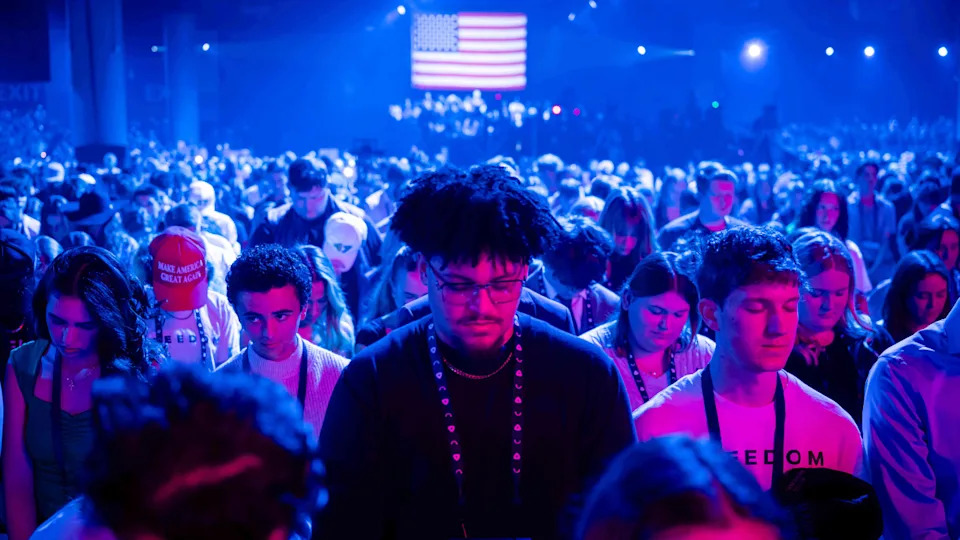 AmericaFest 2025, hosted by Turning Point USA, is taking place in Phoenix, Arizona.
Gabbard also said,
"When we talk about the threat of Islamism, this political ideology, there is no such thing as individual freedom or liberty."
Several important factual clarifications are necessary. Gabbard is not the Director of National Intelligence and does not oversee the U.S. intelligence community; her remarks at AmericaFest should be understood as her personal views rather than statements of official U.S. intelligence policy. The Office of the Director of National Intelligence did not immediately respond to requests for comment about whether Gabbard's comments reflect any formal assessment.
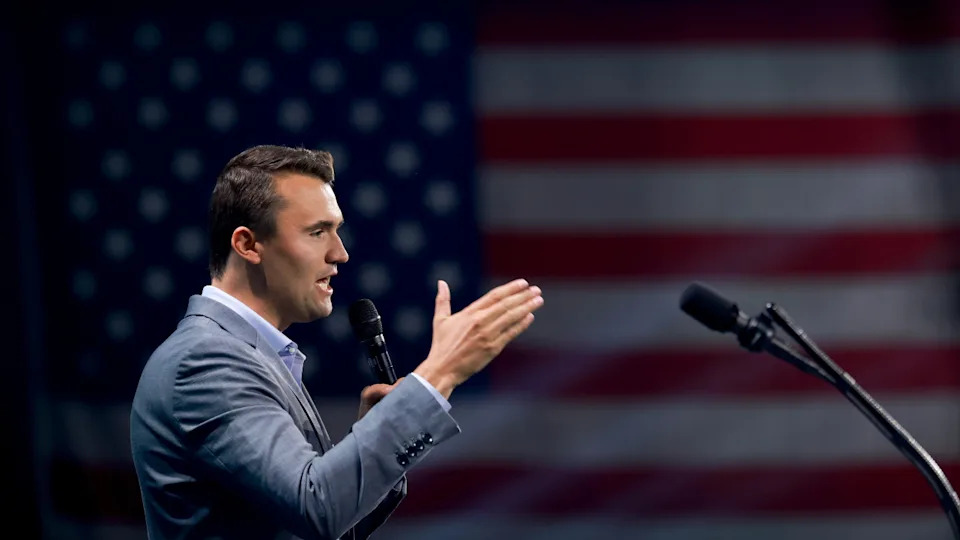
Charlie Kirk, who founded Turning Point USA, was killed on Sept. 10 while speaking at an event at Utah Valley University.
Context and Reaction
Turning Point USA, founded by Charlie Kirk, has grown into a high-profile conservative youth organization that regularly hosts activists, elected officials and commentators. TPUSA events often feature strongly worded ideological commentary on national security, immigration and culture — commentary that can generate intense debate and occasional security concerns at large gatherings.
European security agencies have in recent years stepped up measures around holiday and other public events after a series of Islamist-inspired attacks in countries such as Germany, France and Belgium. Those measures have sometimes included increased police deployments and, in a few instances, temporary cancellations or modifications of public events, including some Christmas markets.
Why This Matters
Gabbard’s remarks touched on two sensitive issues: the rhetorical framing of terrorism and political ideology, and the distinction between personal commentary and official government assessments. Public figures who speak about security risks can influence public perception and policy debate, so accuracy and clarity about one’s role and the basis for claims are important.
Observers and commentators on both the left and the right responded to Gabbard’s speech, with some praising her warnings about extremism and others criticizing the broad use of ideological labels that risk stigmatizing entire communities or conflating political violence with the beliefs of many peaceful adherents of a religion.
Help us improve.