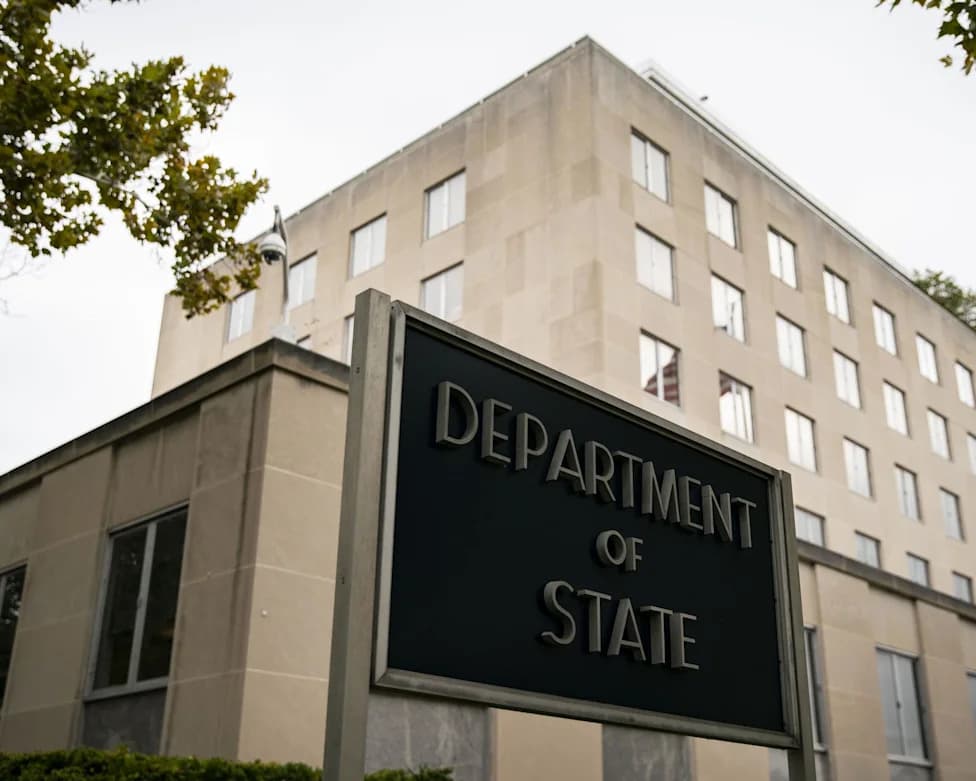
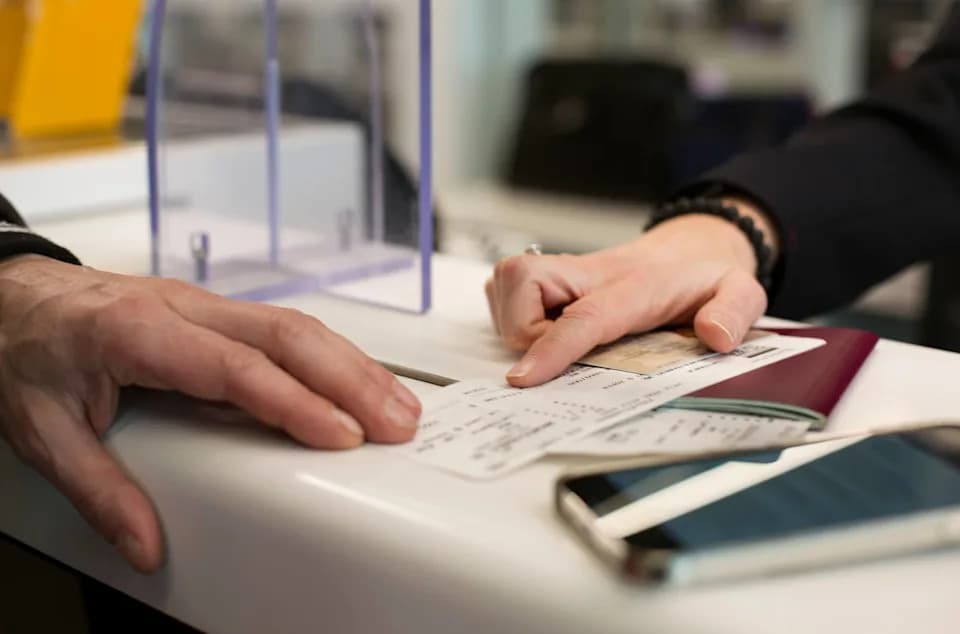
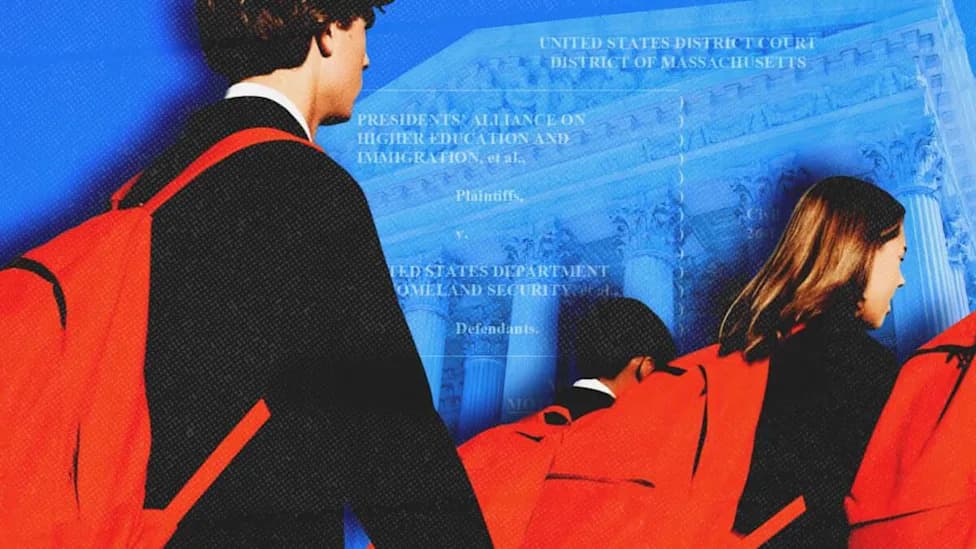
The U.S. State Department has expanded "online presence" reviews to include some visa applicants' public social‑media activity, beginning H‑1B checks on December 15. The change affects H‑1B workers and dependents as well as F, M and J students and exchange visitors, and has caused long delays at some consulates. Employers such as Google and Apple have warned visa‑reliant staff to avoid travel; lawyers advise auditing profiles, not deleting posts, and — when possible — staying in the U.S. while cases proceed.
US Expands Social‑Media Vetting for Visa Applicants — What You Need to Know
The United States has begun reviewing the public social‑media activity of certain visa applicants, creating a new screening step that has slowed processing at some consulates and prompted employers to warn staff who rely on visas about travel risks.
What Changed
In June, the State Department announced it would include an applicant's online activity as part of routine vetting. Six months later, the department broadened the categories subject to these "online presence reviews" and consular posts began applying the checks in practice. Consular offices started conducting online presence reviews for H‑1B applicants on December 15.
Who Is Affected
The checks explicitly include H‑1B workers and their dependents. The State Department has also identified international students and exchange visitors — applicants for F, M and J nonimmigrant visas — as subject to online‑presence reviews. The H‑1B program is widely used in the technology sector and the Department of Labor shows nearly half of H‑1B petitions are in professional, scientific, and technical occupations.
Why This Matters
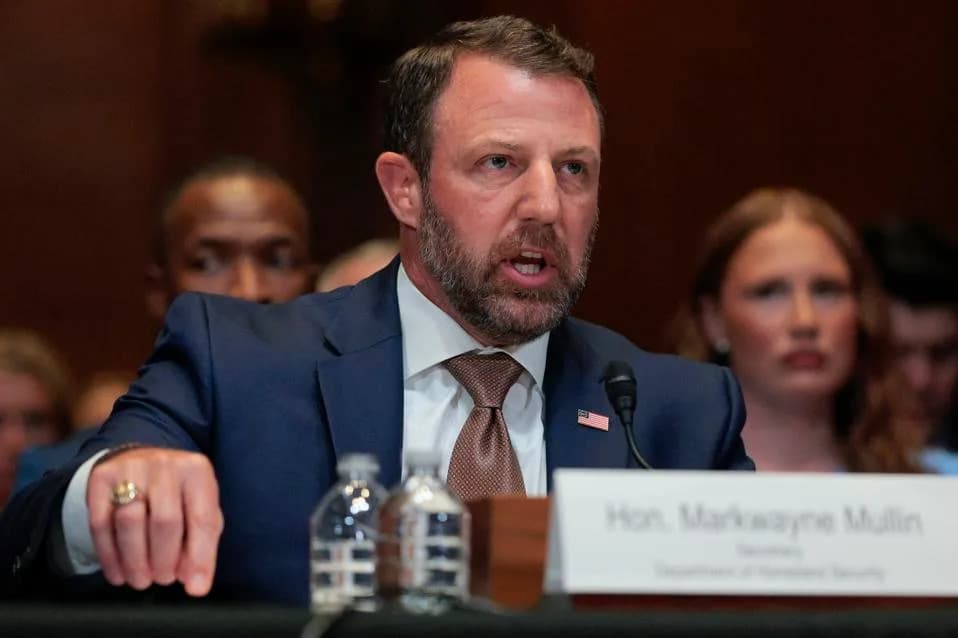
Officials say the expanded screening is intended to bolster national security. A State Department spokesperson told Business Insider:
"A U.S. visa is a privilege, not a right. In every visa case, we will take the time necessary to ensure an applicant does not pose a risk to the safety and security of the United States."
Practical Impact
The new checks have produced substantial delays at some U.S. embassies and consulates. Legal memos reviewed by Business Insider say visa‑stamping appointment waits have been reported in some locations as long as 12 months. As a result, legal teams at companies such as Google and Apple have advised employees who need a visa stamp to re‑enter the U.S. to avoid international travel until processing stabilizes.
Guidance for Applicants
Immigration lawyers and law firms recommend the following:
- Audit public social‑media profiles to ensure information is consistent with your visa application.
- Avoid deleting posts or entire profiles; removal may be viewed as evasive.
- When possible, consider remaining in the U.S. while your immigration case proceeds to reduce the risks and complications of consular processing abroad.
Broader Context
The online‑presence checks come amid a broader effort by the current administration to tighten immigration screening. Earlier executive actions emphasized stronger vetting for national‑security reasons, and in September the administration introduced a $100,000 fee for new H‑1B applicants. After initial confusion, officials clarified the fee applies to new applicants, not existing H‑1B holders.
Bottom Line
If you are in an affected visa category, prepare for longer consular processing times and review your public online presence. Consult an immigration attorney before international travel, and coordinate with your employer's HR or legal team if your position depends on visa status.
Help us improve.