
Human rights activist Uladzimir Labkovich and dozens of others freed from Belarusian prisons on Dec. 13 report they were blindfolded, driven across borders and released without passports or identity documents. The 123-person transfer coincided with the U.S. easing certain trade sanctions and is described by rights groups and U.N. experts as forced exile. Former detainees report torn-up passports, confiscated papers and harsh prison conditions; Western governments and NGOs are scrambling to provide legal and financial aid.
Released Belarusian Prisoners Say Officials Stripped Them Of Passports In Final 'Dirty Trick'

Uladzimir Labkovich, one of the released Belarusian prisoners and his wife Nina Labkovich smile as he arrives in Vilnius, Lithuania, Thursday, Dec. 18, 2025. (AP Photo/Mindaugas Kulbis)(ASSOCIATED PRESS)
Human rights campaigner Uladzimir Labkovich and dozens of others freed from Belarusian prisons in mid-December say they were blindfolded, driven across the border and released without passports or identity papers — a final humiliation that rights groups and U.N. experts describe as forced exile.
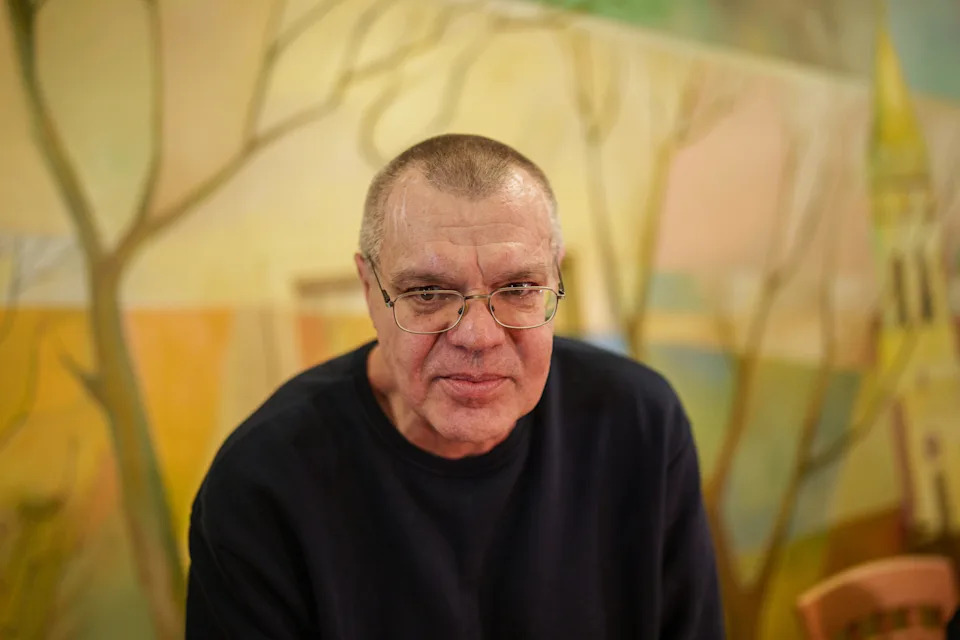
Viktar Babaryka, key Belorussian opposition figure looks on during a joint press conference with Uladzimir Labkovich, human rights activist, Maria Kolesnikova, key Belorussian opposition figure and Alyaksandr Feduta, Belarusian politician after being released from detention in Belarus, in Chernihiv, Ukraine, Sunday, Dec. 14, 2025. (AP Photo/Evgeniy Maloletka)(ASSOCIATED PRESS)
Expelled Without Documents
Labkovich, 47, told The Associated Press by phone from Ukraine that the only official paper he received at his sudden release was a slip with his name and mugshot. "After four and a half years of mistreatment in prison, I was expelled from my own country without a passport or valid documents," he said.
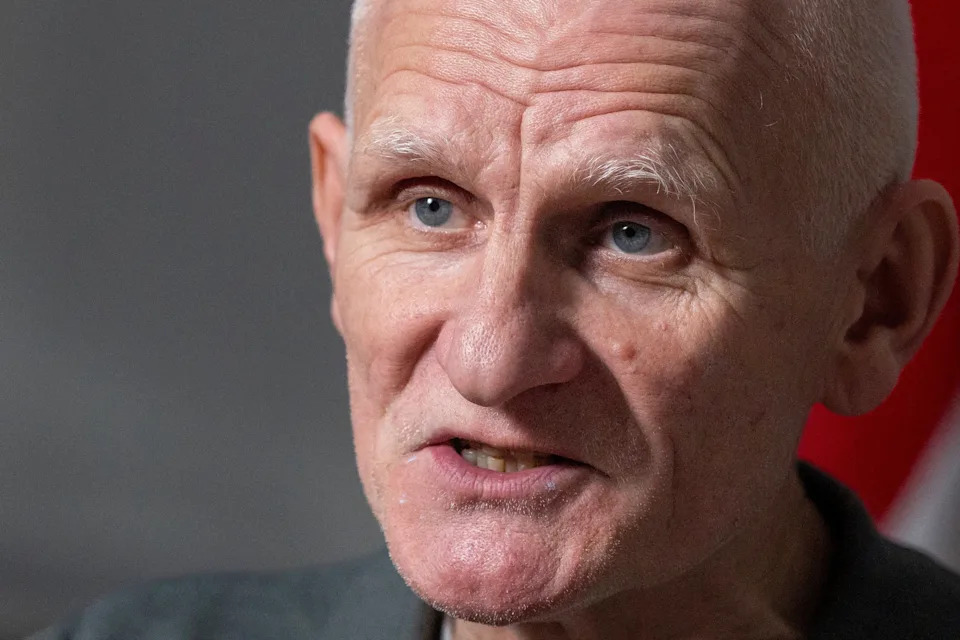
Nobel Peace Prize laureate Ales Bialiatski, one of the Belarusian prisoners released on Saturday, speaks during an interview with the Associated Press in Vilnius, Lithuania, on Sunday, Dec. 14, 2025. (AP Photo/Mindaugas Kulbis)(ASSOCIATED PRESS)
The transfer on Dec. 13 involved 123 detainees released by Belarus as part of a deal that coincided with the United States easing some trade sanctions. All but nine were taken to Ukraine; the remaining nine — including Nobel Peace Prize laureate Ales Bialiatski — were escorted into Lithuania. Rights advocates report at least 18 of those moved to Ukraine arrived with no documents. Germany has offered to host some high-profile figures.
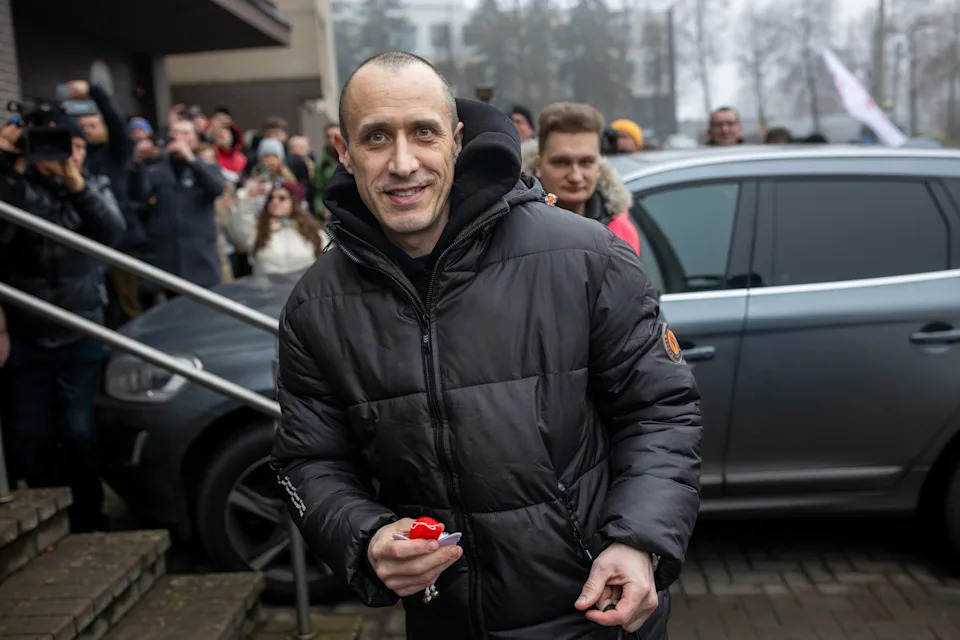
Pavel Seviarynets, one of the released Belarusian prisoners smiles as he arrives in Vilnius, Lithuania, Thursday, Dec. 18, 2025. (AP Photo/Mindaugas Kulbis)(ASSOCIATED PRESS)
"Even after pardoning people, Lukashenko continues to retaliate against them," said exiled opposition leader Sviatlana Tsikhanouskaya. "They forcibly drive them out without documents to humiliate them further."
Evidence Of Systematic Abuse
Former detainees and activists say security forces tore up passports, confiscated verdicts, photos, notebooks and other personal papers, and in some cases stripped people of all identity documents before sending them across the border. One activist group has raised more than €245,000 (about $278,000) to help the released detainees with legal and resettlement costs.
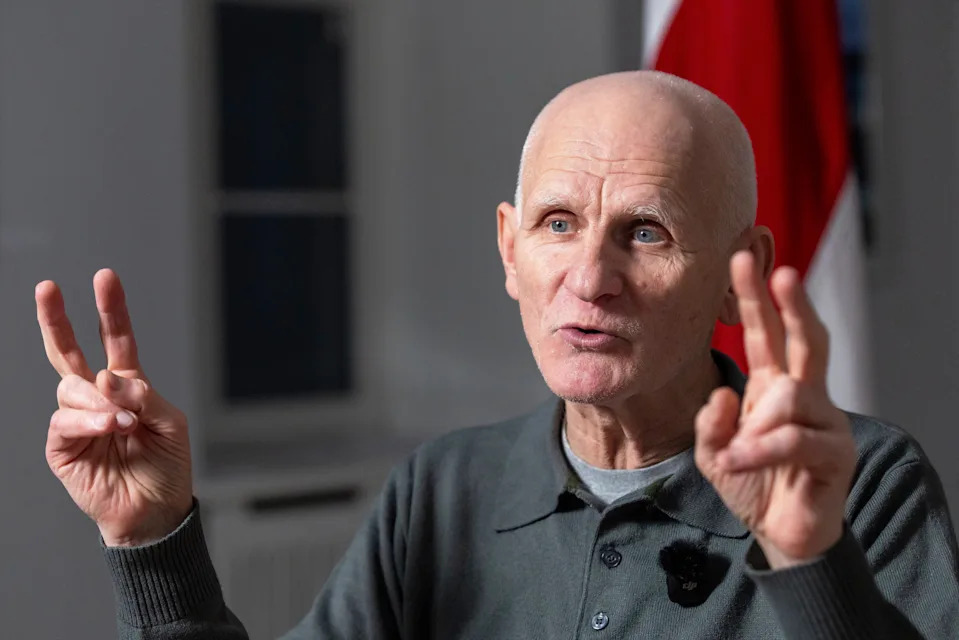
Nobel Peace Prize laureate Ales Bialiatski, one of the Belarusian prisoners released on Saturday, gestures during an interview with the Associated Press in Vilnius, Lithuania, on Sunday, Dec. 14, 2025. (AP Photo/Mindaugas Kulbis)(ASSOCIATED PRESS)
Harsh Prison Conditions
Bialiatski, Labkovich and five other members of Viasna — Belarus' oldest and most prominent human rights organization — were arrested during the government's crackdown following the disputed 2020 election. Bialiatski was sentenced to 10 years and Labkovich to seven; Belarusian authorities also opened additional cases against Labkovich that could have lengthened his sentence further.
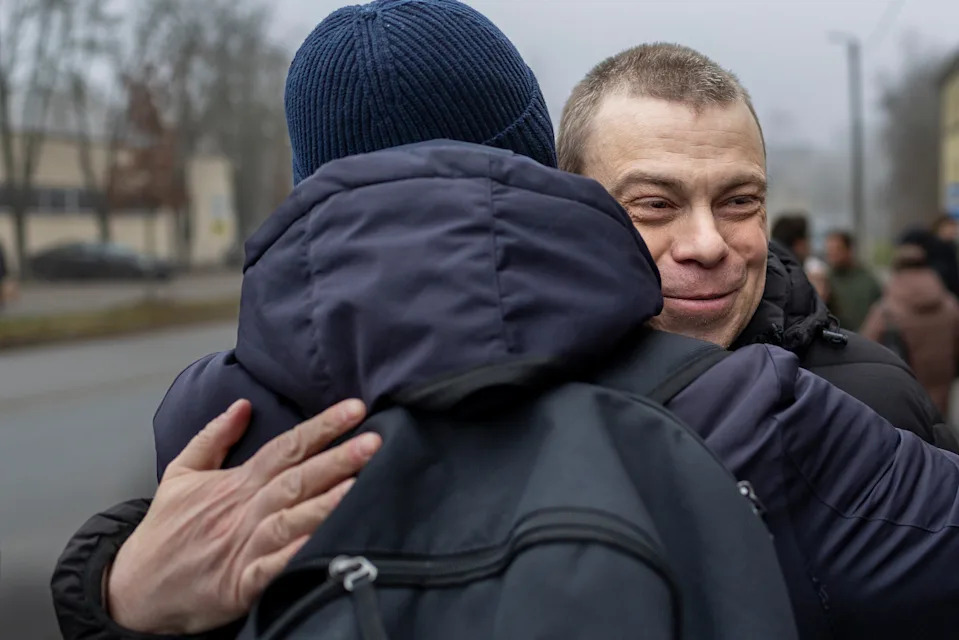
Uladzimir Labkovich, one of the released Belarusian prisoners embraces a relative as he arrives in Vilnius, Lithuania, Thursday, Dec. 18, 2025. (AP Photo/Mindaugas Kulbis)(ASSOCIATED PRESS)
Labkovich said he endured more than 200 days in solitary confinement and long nights on concrete floors in icy cells. Other released prisoners described beaten and deteriorating health; Vitkar Babaryka, for example, said he once woke to find he had a broken rib, a torn lung and other injuries.
International Reaction And Aid
United Nations rights expert Nils Muižnieks called the transfers "not pardons, but forced exile," saying many detainees were "left without means of subsistence and, in some cases, stripped of identity documents." Amnesty International and other rights groups have denounced the actions as cynical and punitive.
Western governments and NGOs are providing emergency assistance to some of the freed detainees, while opposition networks are coordinating legal and resettlement support for those who must rebuild their lives abroad.
Repression Continues
Despite these releases, activists report that Belarus continues to target critics at home and abroad: Belarusians overseas often cannot renew passports at embassies or consulates, critics face trials in absentia, and authorities continue to seize property. Rights groups say new arrests and retroactive designations of political prisoners indicate the government's repressive policies remain in place.
Why This Matters: Stripping released political prisoners of identity documents compounds their trauma, obstructs access to asylum and legal protection, and signals that the Belarusian government intends to maintain pressure on dissent both inside and outside the country.


