
The article reports that many Americans who identify with the MAGA movement are struggling with heavy medical bills and that their reactions often fall into predictable patterns like denial, anger, and seeking private help. It pairs that reporting with viral listicles — unsettling photos, dangerous design failures, and first-person horror stories — republished by the site. Though largely anecdotal, the piece highlights real financial strain and suggests these patterns have implications for public debate and policy messaging.
MAGA Voters Face Crushing Medical Bills — How They’re Responding and Why It Matters

Saul Loeb / Getty Images
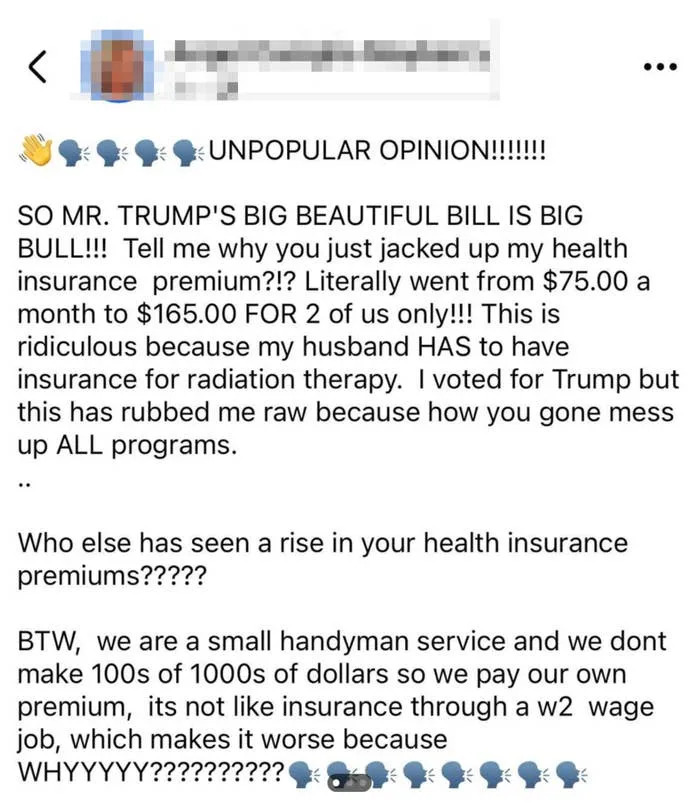
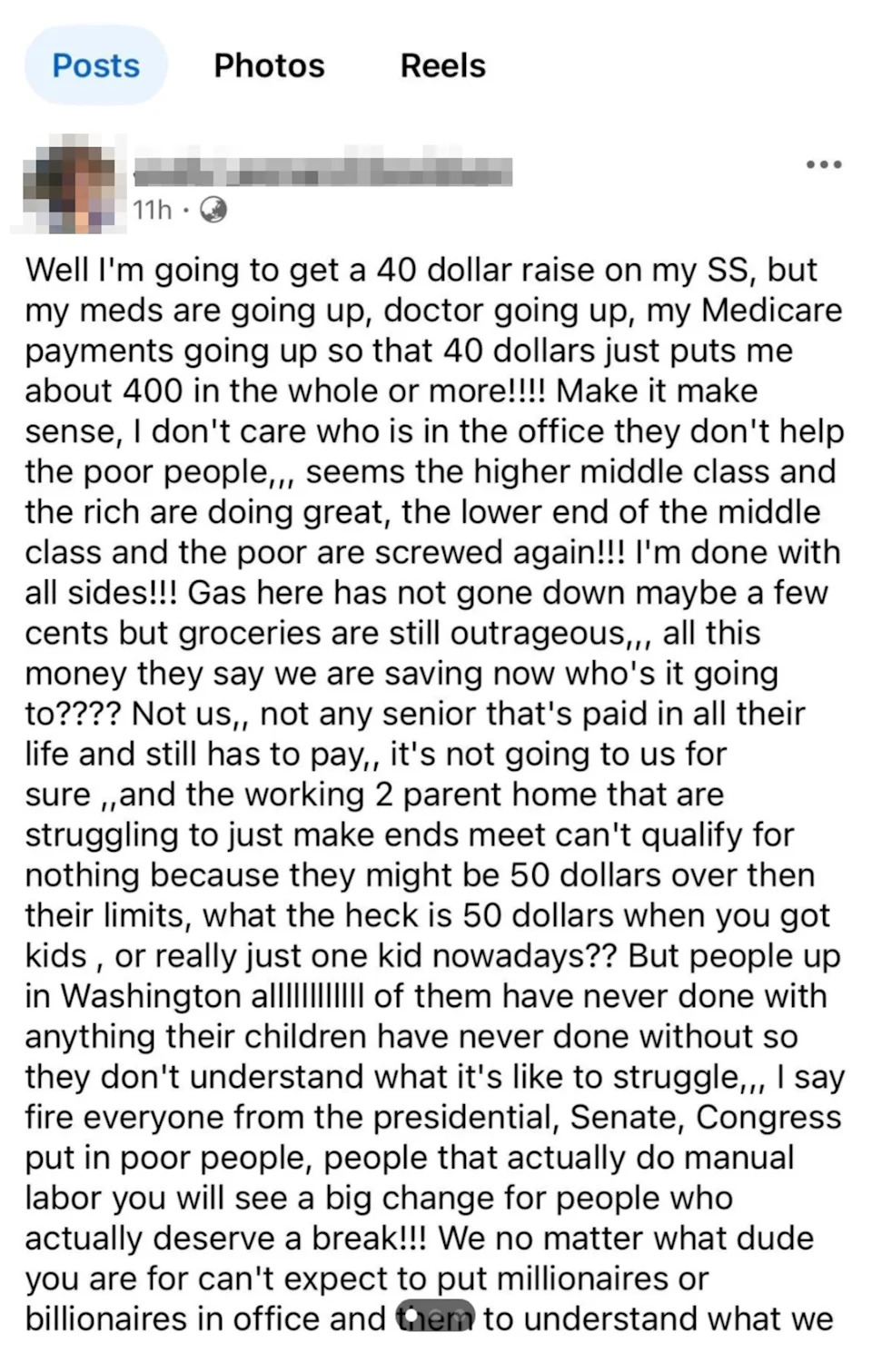
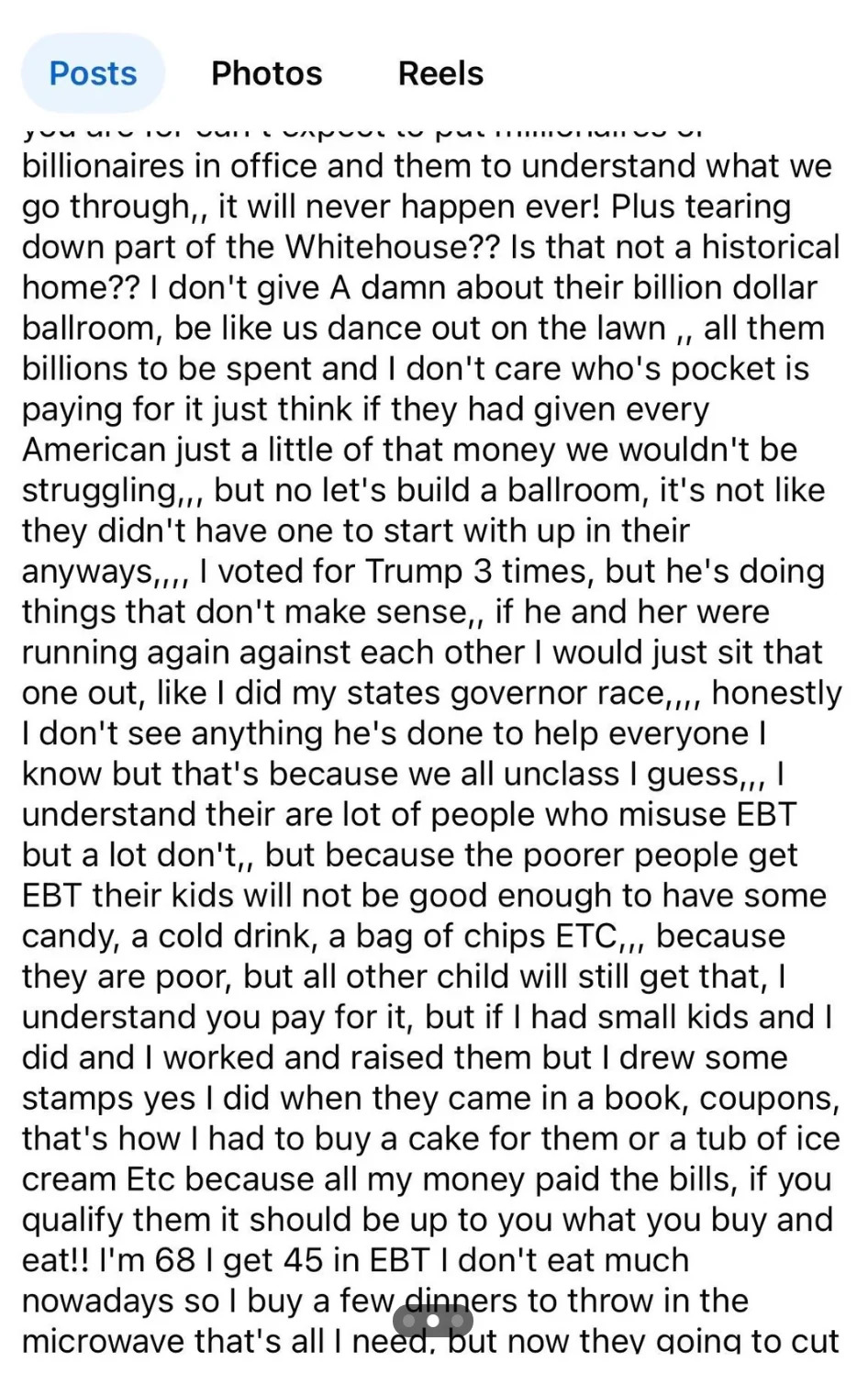
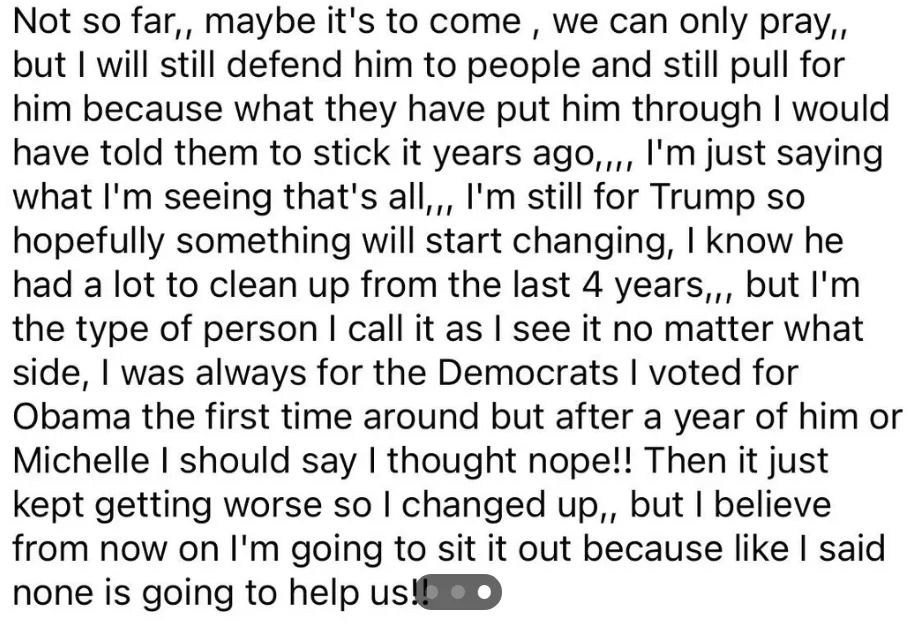
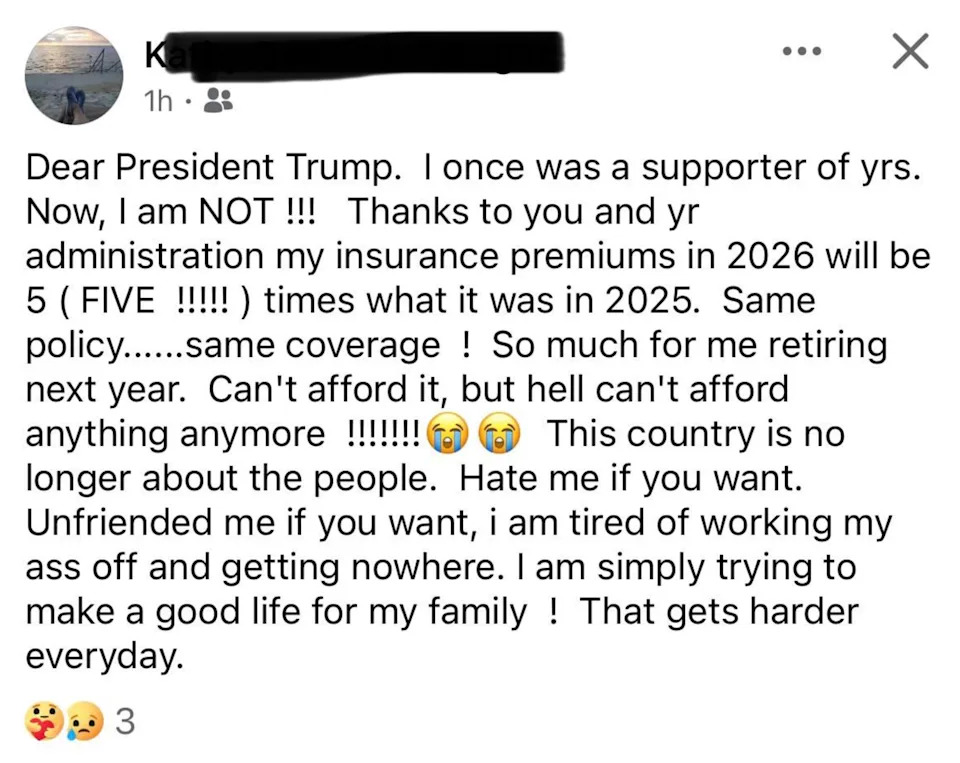
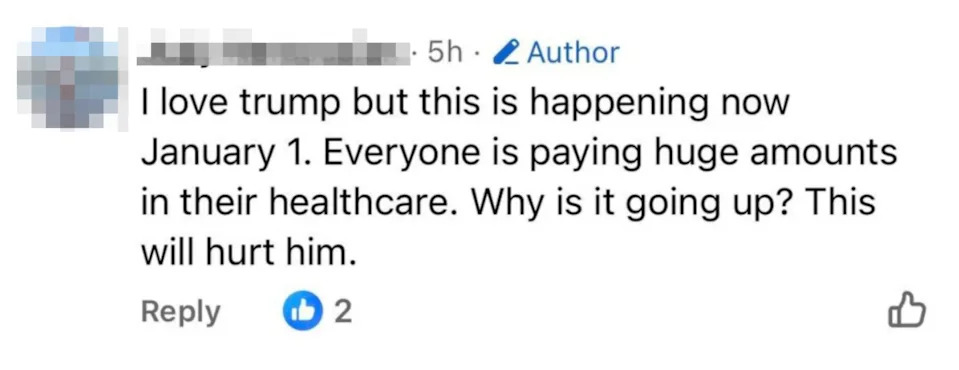
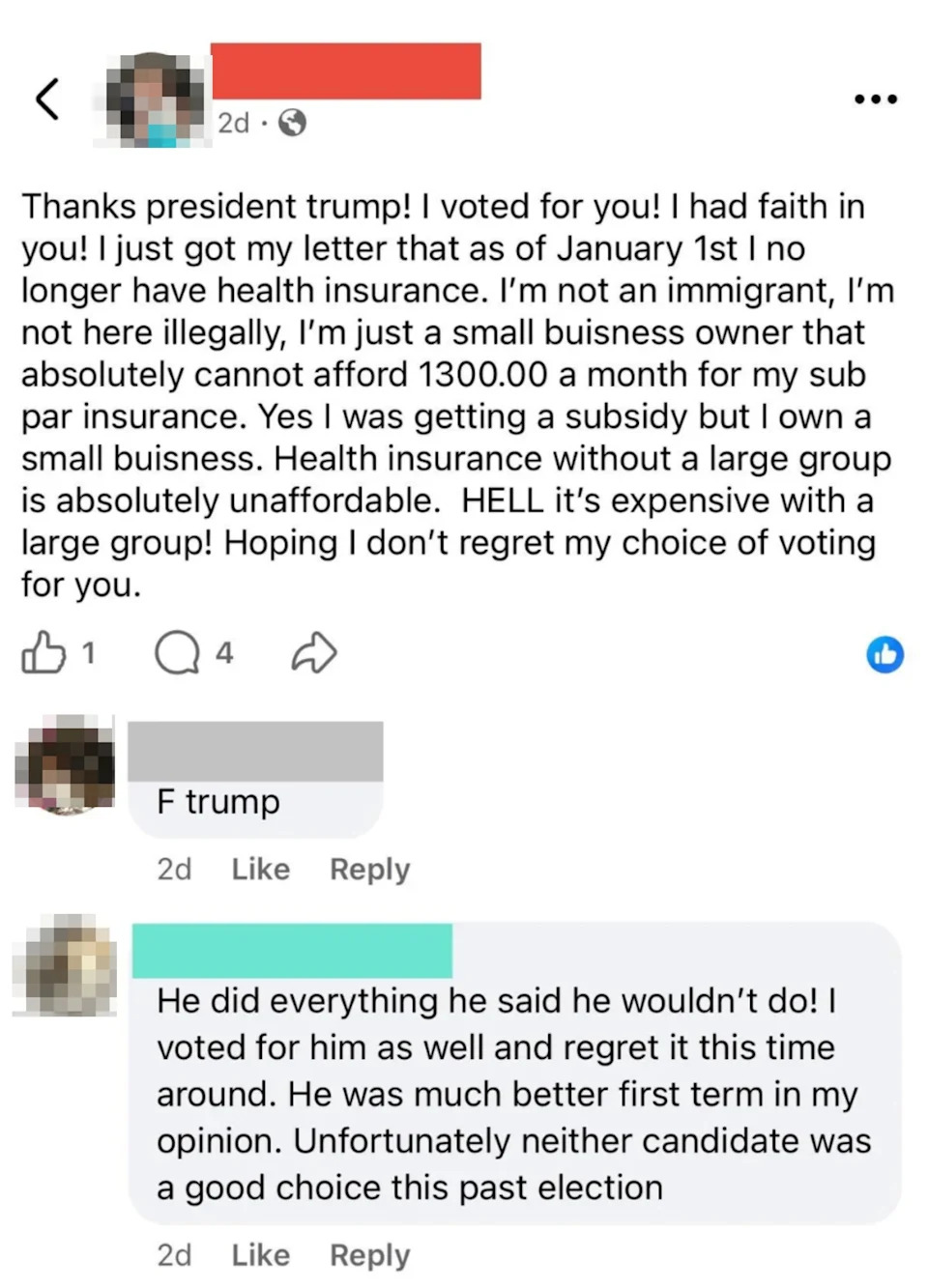
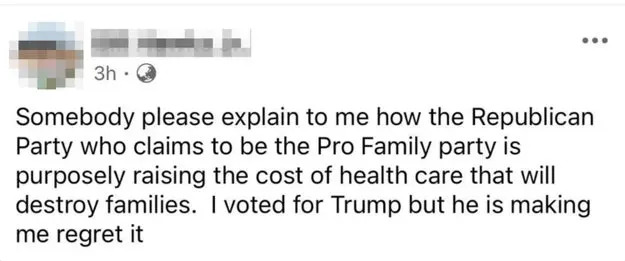
The original reporting documents that a significant number of Americans who align with the MAGA movement are being hit with steep, often overwhelming medical bills. The piece examines how these individuals react — noting recurring patterns in emotion and rhetoric — and places that reporting alongside several viral listicles and unsettling personal accounts republished by the site.
What The Reporting Found
The article highlights that mounting healthcare debt is affecting a cross-section of voters, including those who identify with MAGA. Rather than offering new policy research, the story focuses on anecdotal evidence and interviews describing the personal and financial strain of medical expenses. Reporters also observe that reactions among this group tend to fall into predictable categories such as denial, anger, and appeals to personal responsibility.
Common Reactions Noted
- Minimization or Denial: Some people downplay the severity of their situation or rationalize why the system is to blame for others but not them.
- Anger and Blame: Frustration is often directed at insurers, hospitals, politicians, or vague ‘‘the system’’ language rather than focused policy solutions.
- Privately Seeking Help: Crowdfunding, relying on family, or delaying care are frequent stopgaps cited by interviewees.
- Political Framing: Many interpret their experience through an ideological lens, which shapes how they discuss potential fixes.
Related Viral Lists And Features
The article was published alongside a series of viral, curatorial pieces. These companion items include unsettling photo galleries, compilations of dangerous design failures, and first-person accounts of terrifying moments. Examples rewritten for clarity include:
- 21 Disturbing, Unhygienic Photos That Prompted Strong Reactions
- 25 Terribly Unsafe Designs That Should Never Have Reached Production
- 24 Hurtful Or Terrifying Things People Said During Moments Of Crisis
- Travelers’ Most Unhinged Flight Stories That Make You Reevaluate Flying
- Collections Of Terrifying Voicemails And Near-Escape Stories Shared Across Social Platforms
Why This Coverage Matters
Understanding how different voter groups experience and interpret healthcare costs is important for public debate. While the reportage here is primarily anecdotal and paired with viral entertainment content, it surfaces real financial hardship and common emotional responses. Those patterns can inform discussions about policy proposals, messaging, and the lived consequences of the U.S. healthcare system.
Note: This piece synthesizes the original report and accompanying viral lists for clarity and readability without introducing new investigative claims.

Richard Baker / Getty Images
r/LeopardsAteMyFace / Viareddit.com
r/LeopardsAteMyFace / Viareddit.com

Dny59 / Getty Images
r/LeopardsAteMyFace / Viareddit.com

r/LeopardsAteMyFace / Viareddit.com

Anadolu / Getty Images
r/LeopardsAteMyFace / Viareddit.com
r/LeopardsAteMyFace / Viareddit.com

Dny59 / Getty Images
r/LeopardsAteMyFace / Viareddit.com
r/LeopardsAteMyFace / Viareddit.com
r/LeopardsAteMyFace / Viareddit.com

Jim Vondruska / Getty Images
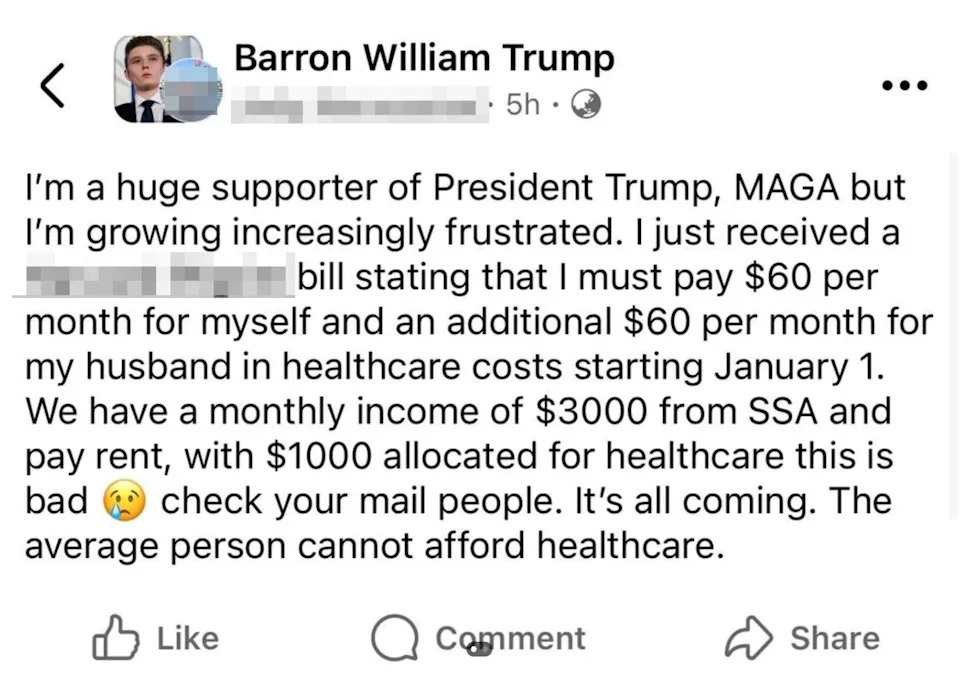
r/LeopardsAteMyFace / Viareddit.com
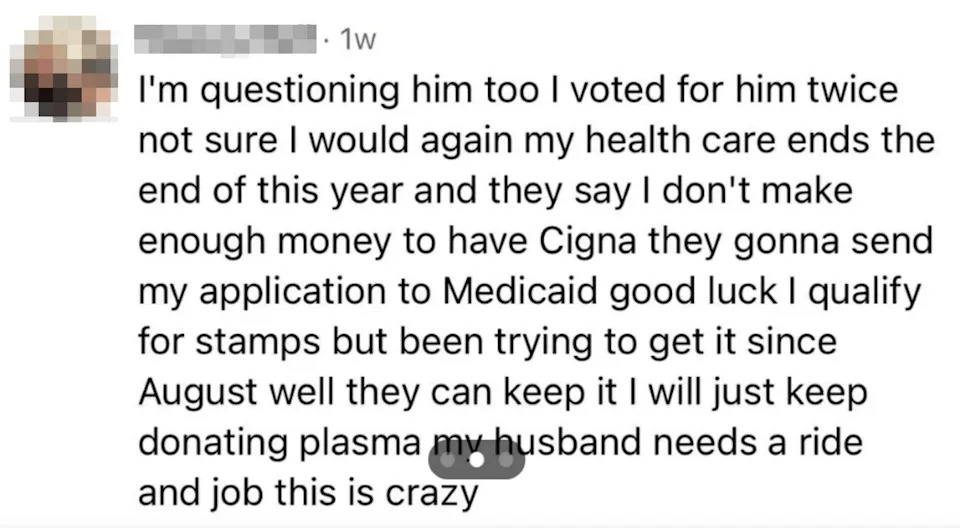
r/LeopardsAteMyFace / Viareddit.com

Everydayplus / Getty Images


