
British baker Richard Hart’s resurfaced podcast comments calling some Mexican rolls "white, ugly" provoked widespread criticism on Instagram, TikTok and X and prompted an Instagram apology. The controversy expanded into a national debate about culinary identity, foreign influence, and gentrification in Mexico City. Local bakers and chefs say the incident highlights the need for locally led conversations about the history, value and future of Mexican breadmaking.
British Baker’s ‘White, Ugly’ Remark About Mexican Bread Sparks Widespread Backlash and Debate

A vendor prepares a bolillo, a traditional Mexican bread, for consumption at a street stand in Mexico City, Thursday, Dec. 18, 2025. (AP Photo/Marco Ugarte)(ASSOCIATED PRESS)
A blunt assessment of Mexican bread by British baker Richard Hart, co-founder of the Green Rhino bakery in Mexico City, triggered a wave of online outrage and a public apology after a resurfaced podcast interview circulated widely on social media.
What Was Said
In a clip from a food-focused podcast, Hart said Mexicans "don’t really have much of a bread culture" and described some rolls as "white, ugly rolls" that are "pretty cheap and industrially made." The comments quickly spread across Instagram, TikTok and X, where many users in Mexico called them dismissive and insulting toward long-standing local baking traditions.
Social Media Reaction
Social platforms filled with memes, reaction videos and passionate defenses of everyday staples such as crusty bolillos — the roll commonly used for tortas — and the sweet, shell-shaped conchas sold at neighborhood panaderías. For many Mexicans, these simple breads are woven into daily life and national identity, connecting people across regions and social classes.
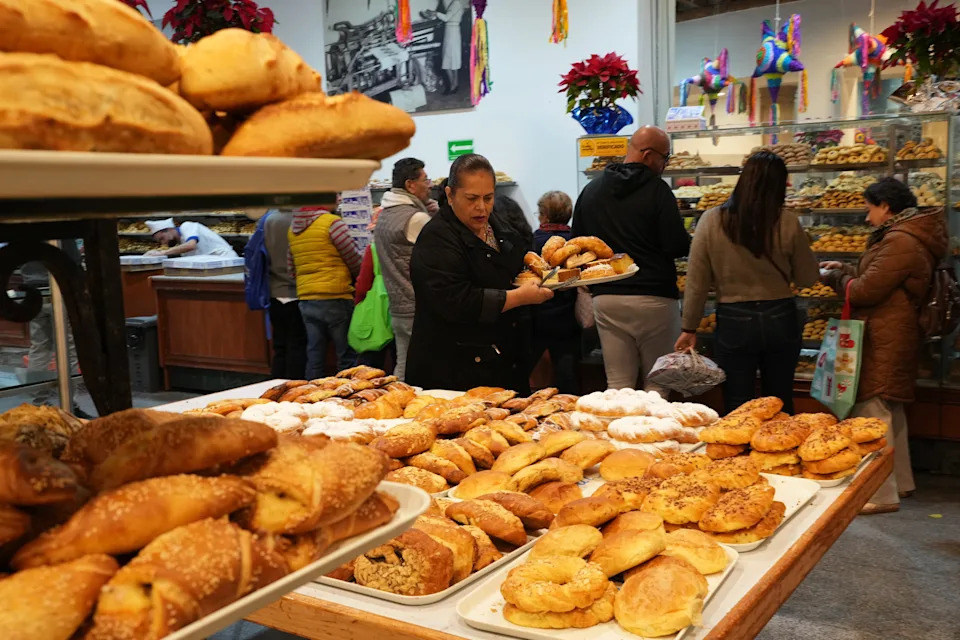
People buy pastries at a bakery in Mexico City, Thursday, Dec. 18, 2025. (AP Photo/Marco Ugarte)(ASSOCIATED PRESS)
Broader Cultural Conversation
What began as criticism of bread soon evolved into a wider national debate about culinary identity, cultural authority and the role of foreign entrepreneurs in Mexico City as the capital experiences a noticeable rise in expatriates and tourists. Critics pointed out that Hart’s remarks echoed long-standing frustrations over foreign chefs and restaurateurs receiving disproportionate prestige and attention, and concerns about gentrification that can push up prices and change neighborhood character.
"He offended the community of bakers in Mexico and all the people in Mexico who like bread, which is almost everyone," said Daniela Delgado, a university student in Mexico City. One viral post on X summed up the sentiment with: "Don't mess with the bolillo."
History And Local Perspective
Wheat bread was introduced to Mexico during the colonial period, but over time those loaves evolved into distinctly Mexican forms as European techniques were adapted to local tastes and ingredients. Small, neighborhood bakeries remain central to daily life in many towns and cities, acting as social hubs as well as food sources.
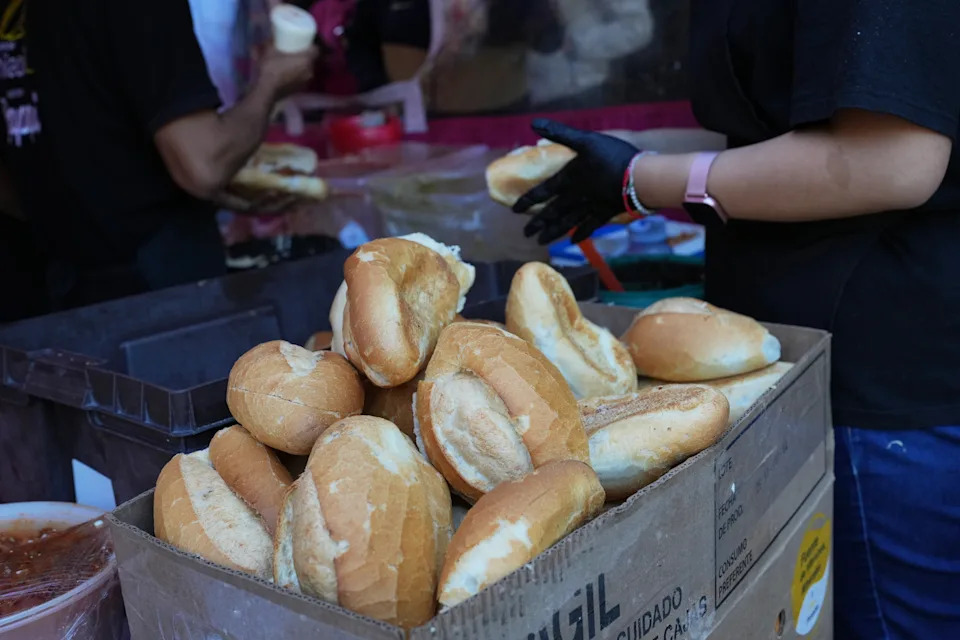
Bolillos, a traditional Mexican bread, sit for sale at a street stand in Mexico City, Thursday, Dec. 18, 2025. (AP Photo/Marco Ugarte)(ASSOCIATED PRESS)
At the same time, some Mexican bakers and chefs acknowledge internal debates about industrialization, the use of white flour and sugar, and how traditional recipes are changing. They argue those conversations are most constructive when led by local bakers and communities rather than voiced by outsiders.
Apology And Aftermath
Facing mounting criticism, Hart posted an apology on Instagram, saying his comments had been poorly phrased and lacked respect for Mexico and its people. He acknowledged the emotional response and said he had not behaved as a "guest." "I made a mistake," he wrote.
"It’s an opportunity to learn about the culture of Mexican breadmaking and pastry, to take pride in it, to highlight the richness of our ingredients, and to stop thinking that the so-called first world represents the ultimate standard," said Josué Martínez, a chef at the Mexican Culinary School.
The Associated Press contacted Green Rhino for comment; the bakery’s representatives declined to respond. Hart, who has worked at high-profile bakeries in the United States and Europe, has been part of Mexico City's growing artisanal bread scene, which tends to cater to middle- and upper-class customers — including many foreigners — who pay a premium for sourdough and European-style pastries. That economic dynamic is part of the larger conversation about access, prestige and who gets to shape culinary narratives.
While some accepted Hart’s apology, others said it did not address deeper concerns about cultural authority and the right to critique a tradition so deeply embedded in everyday life. Many see the episode as a catalyst for a locally led, more nuanced discussion about Mexican breadmaking, heritage and culinary pride.


