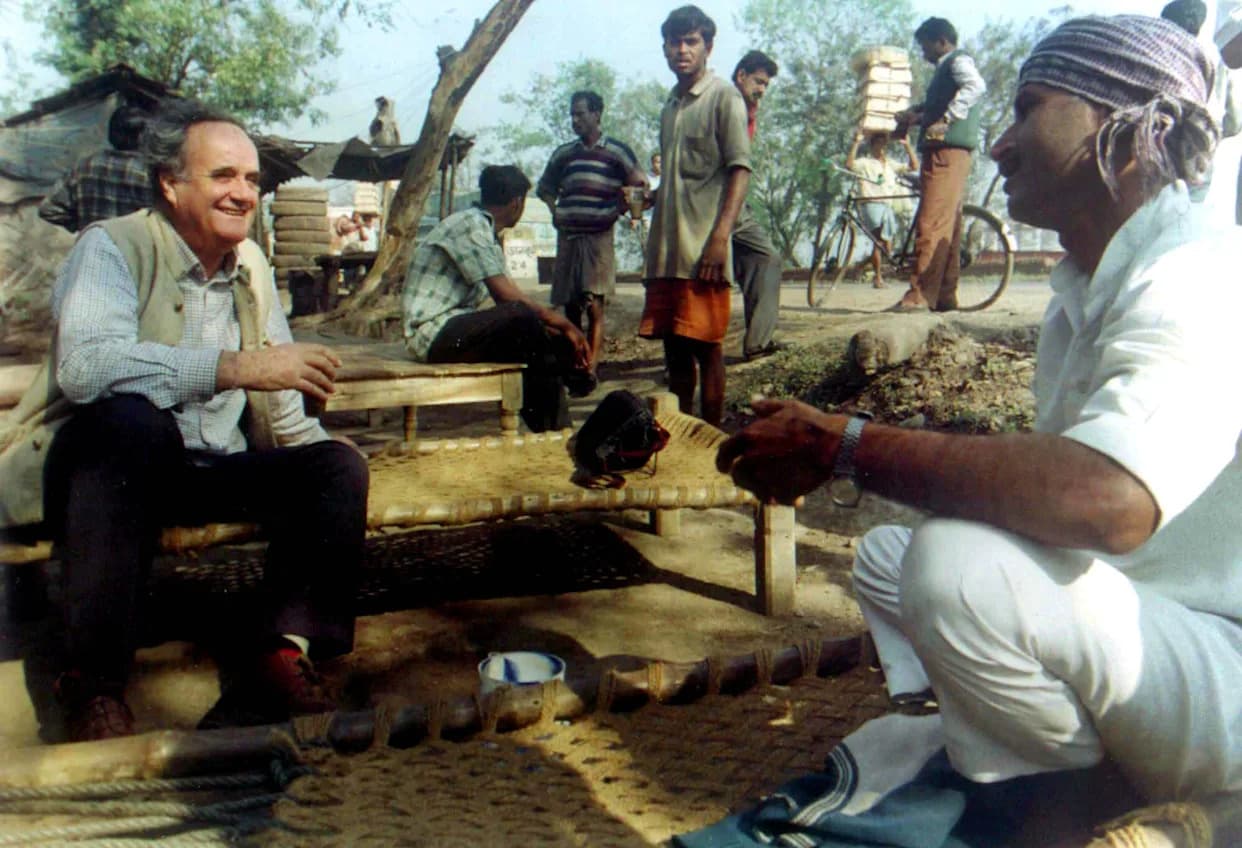
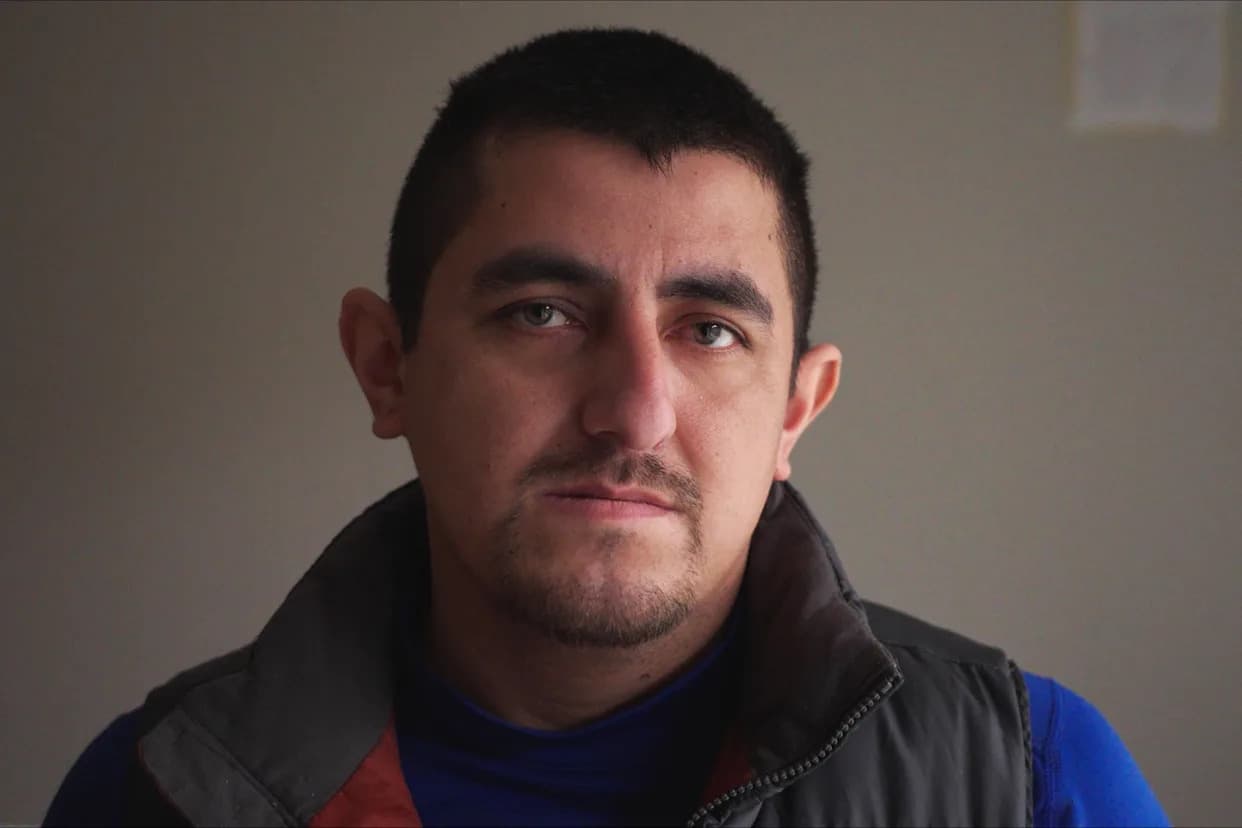
Peter Arnett, a Pulitzer Prize–winning combat reporter famed for his frontline coverage from Vietnam to the Gulf, has died at 91 after a battle with prostate cancer. He won the 1966 Pulitzer for his Vietnam reporting with The Associated Press and later became a television figure at CNN, reporting live from Baghdad in 1991 and interviewing Saddam Hussein. Arnett conducted a 1997 interview with Osama bin Laden and had a career marked by both high-profile reporting and controversy, including his 1999 resignation from CNN. He published a memoir in 1995 and is survived by his wife, Nina Nguyen, and their two children.
Pulitzer-Winning War Correspondent Peter Arnett Dies at 91

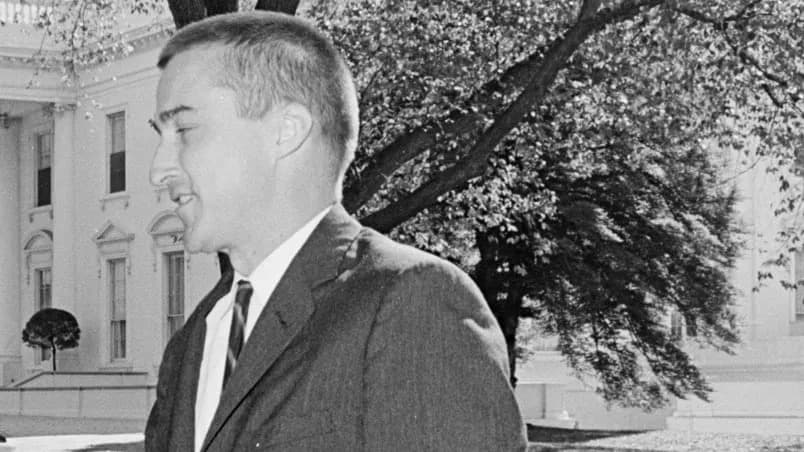
Peter Arnett posing when he was a reporter for Associated Press in Vietnam (Handout)(Handout/AFP/AFP)
Peter Arnett, the Pulitzer Prize–winning journalist widely regarded as one of the most fearless combat correspondents of his generation, has died at the age of 91. US media reported that he had been battling prostate cancer.
Arnett won the 1966 Pulitzer Prize for International Reporting for his eyewitness coverage of the Vietnam War while working for The Associated Press. He reported from frontline positions in Vietnam from 1962 until the fall of Saigon in 1975, often accompanying troops on dangerous missions and delivering vivid, on-the-ground accounts that frequently challenged official U.S. narratives.
After a long tenure at the AP, Arnett joined CNN in 1981 and rose to prominence on television. During the first Gulf War in 1991 he reported live from Baghdad, interviewed then-president Saddam Hussein, and chronicled the daily life of Iraqis under bombardment. His immediate, frontline broadcasts — sometimes relayed by cell phone — helped shape modern live war reporting.
Notable Interviews and Controversies
In 1997 Arnett secured a rare interview with Osama bin Laden at a secret location in Afghanistan, years before the September 11 attacks. According to reporting, when Arnett asked bin Laden about potential plans, bin Laden replied: "You'll see them and hear about them in the media, God willing."
Arnett's career also included controversy. He resigned from CNN in 1999 after the network retracted a report he narrated that alleged deadly sarin nerve gas had been used on American deserters in Laos in 1970. He later covered the second Gulf War for NBC and National Geographic and left NBC in 2003 after an interview with Iraqi state television in which he criticized U.S. military strategy.
Born on November 13, 1934, in Riverton, New Zealand, Arnett began his journalism career at the Southland Times before working for English-language newspapers in Thailand and Laos and eventually for The Associated Press. He became a naturalized U.S. citizen and published his memoir, Live From the Battlefield: From Vietnam to Baghdad, 35 Years in the World's War Zones, in 1995.
"Peter Arnett was one of the greatest war correspondents of his generation -- intrepid, fearless, and a beautiful writer and storyteller," said Edith Lederer, the AP's chief U.N. correspondent. "His reporting in print and on camera will remain a legacy for aspiring journalists and historians for generations to come."
Arnett had lived in Southern California since 2014. He is survived by his wife, Nina Nguyen, and their children, Elsa and Andrew.
Help us improve.