Rep. Thomas Massie criticized President Trump’s public threats to remove Nicolás Maduro and urged that any military action against Venezuela require explicit Congressional approval. Massie argued past regime-change efforts failed and warned intervention would carry steep human and financial costs. He accused U.S. policy of being driven by oil interests and pointed out a contradiction in labeling Maduro a narco-terrorist while reducing protections for Venezuelan migrants. Massie called for support of a War Powers Resolution to restore Congress’s constitutional role.
Rep. Thomas Massie Rebukes Trump on Venezuela: ‘This Is About Oil and Regime Change’
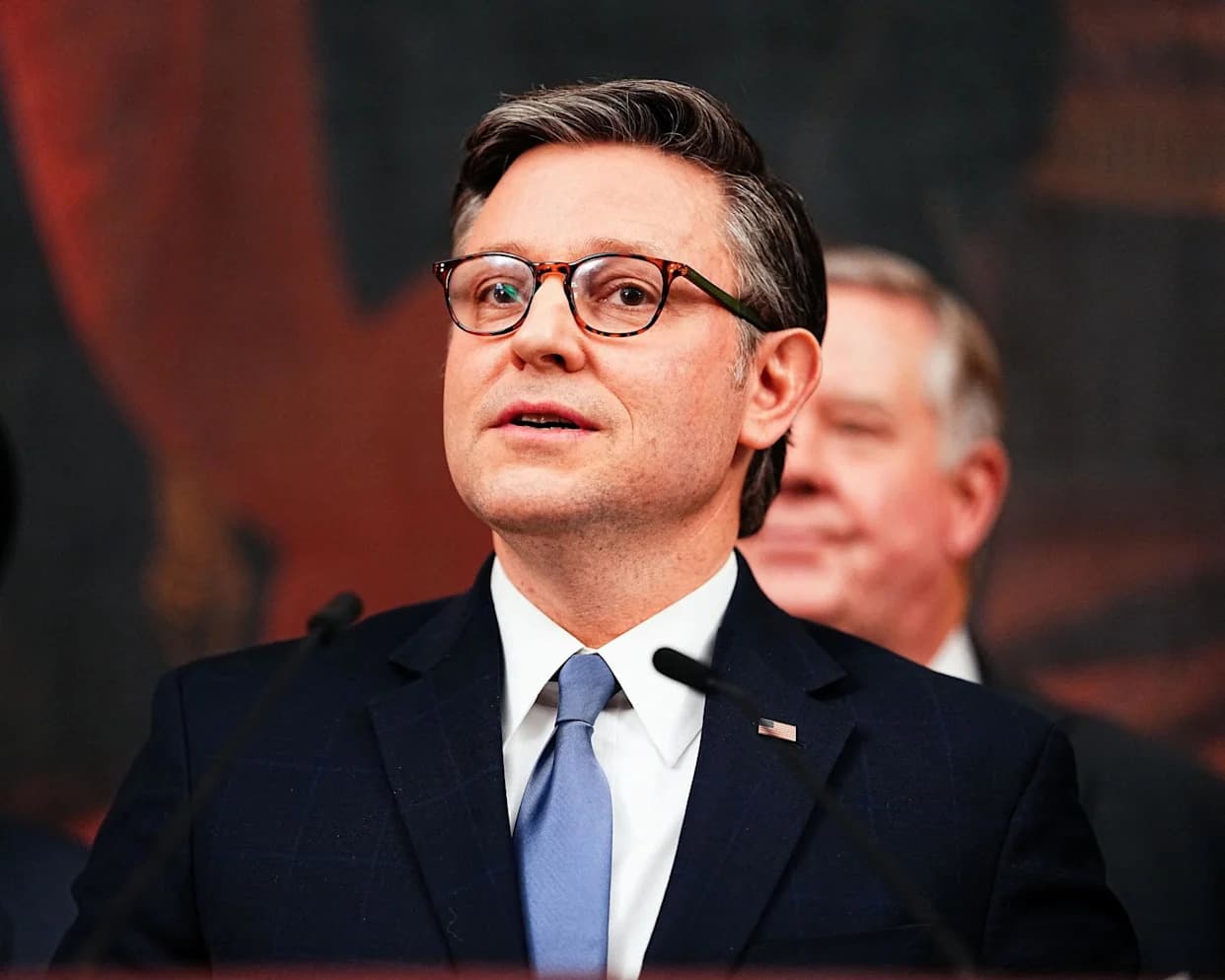
Rep. Thomas Massie (R-Ky.) delivered a sharp critique on the House floor Wednesday, urging that any direct U.S. military action against Venezuela receive formal Congressional approval. Massie framed his arguments around constitutional authority, the likely human and fiscal costs of intervention, and what he called the real motives behind recent White House rhetoric.
“Mr. Speaker, James Madison warned us that in no part of the Constitution is more wisdom to be found than in the clause which confides the question of war and peace to the legislature and not the executive. Madison called it the crown jewel of Congress... If the president believes military action against Venezuela is justified and needed, he should make the case, and Congress should vote before American lives and treasure are spent on regime change in South America.”
Massie warned that regime change often fails to produce stable, democratic outcomes and pointed to past U.S. interventions as cautionary examples. He said policymakers should be skeptical of simplified justifications—whether claims about weapons of mass destruction or the present administration’s focus on drug trafficking—and highlighted what he described as a recurrent theme: strategic interest in Venezuelan oil.
“Let’s be honest about likely outcomes. Do we truly believe that Nicolás Maduro will be replaced by a modern-day George Washington? ... This is about oil and regime change.”
At roughly the same time, President Donald Trump told reporters the administration wanted to regain “land, oil rights, whatever we had,” saying American companies were expelled and “we want it back.” Massie contrasted that statement with the 2019 U.S. policy that recognized opposition leader Juan Guaidó and the brief occupation of Venezuela’s Washington embassy—moves that promised imminent regime change but did not topple Nicolás Maduro.
Massie also highlighted an apparent policy contradiction: the administration labels the Maduro government as a narco-terrorist regime while simultaneously rolling back immigration protections that would shelter Venezuelan migrants and refugees. He asked whether lawmakers were prepared for the refugee flows, reconstruction costs, and prolonged instability that a military escalation could produce.
“But Congress should not express moral sympathy in the form of a blank check for military escalation and American lives... If that cost is acceptable to this Congress, then we should vote on it as a voice of the people and in accordance with our Constitution.”
Massie urged support for a War Powers Resolution intended to reassert Congress’s constitutional authority over decisions to use military force. He concluded by calling on lawmakers to vote if they were willing to accept the human and financial costs of intervention.
Context: The remarks come amid renewed debate over U.S. policy toward Venezuela, ongoing economic and political crises inside that country, and broader questions about U.S. strategic priorities in Latin America.
Help us improve.