
Maryland’s General Assembly overrode Gov. Wes Moore’s veto of SB 587 to create a commission that will study reparations for slavery and racial discrimination. The Senate voted 31–14 and the House 93–35, each exceeding the three-fifths threshold. The commission may recommend apologies, monetary compensation, tax rebates, child-care supports, debt relief and tuition waivers; a preliminary report is due Jan. 1, 2027, and a final report by Nov. 1, 2027. Supporters called the move a landmark step toward accountability while opponents warned of fiscal concerns.
Maryland Lawmakers Override Governor’s Veto To Create Reparations Study Commission

Maryland to study slavery reparations after lawmakers override Dem governor's veto
The Maryland General Assembly on Tuesday overrode Gov. Wes Moore’s veto of Senate Bill 587, establishing a state commission to study reparations for the legacy of slavery and racial discrimination.
Vote And Political Context
The Senate approved the override 31–14, and the House followed with a 93–35 vote, each surpassing the three-fifths majority required. Gov. Moore had vetoed SB 587 in May, arguing that Maryland has already undertaken extensive reviews of its history and that lawmakers should prioritize policies that directly narrow racial disparities.
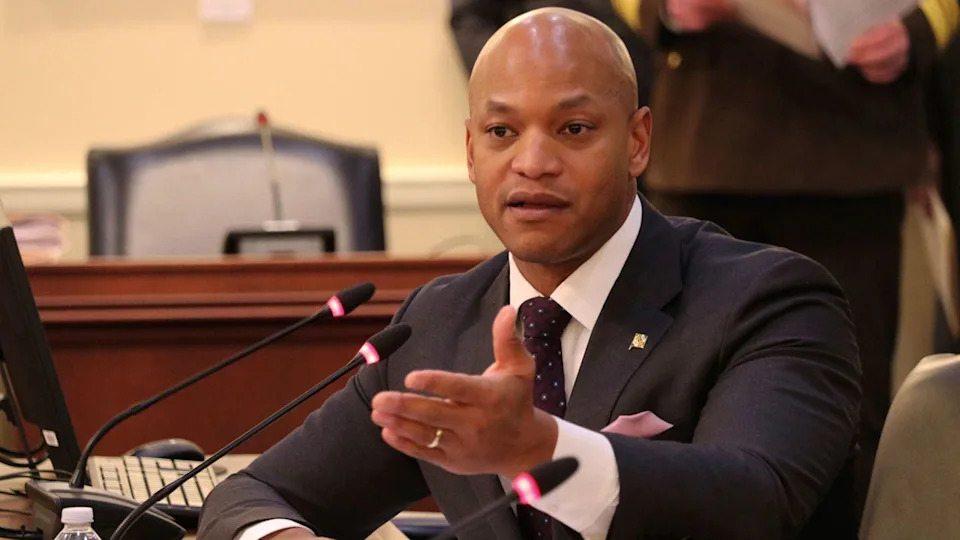
Maryland Gov. Wes Moore testifies in support of legislation aimed at making housing more affordable and protecting renters during a bill hearing on Tuesday, Feb. 20, 2024, in Annapolis, Md.
Why The Governor Vetoed The Bill
In a veto letter to Senate President Bill Ferguson, Moore pointed to multiple commissions and study groups convened over the past 25 years — including inquiries into lynching and Maryland’s history of slavery — and urged a focus on concrete policy measures to reduce racial inequities.
What The Commission Will Do
With the override, SB 587 creates a commission tasked with weighing potential forms of reparations. The commission may consider official apologies, direct monetary compensation, property tax rebates, child-care supports, debt relief, and higher-education tuition waivers or reimbursements, among other remedies.
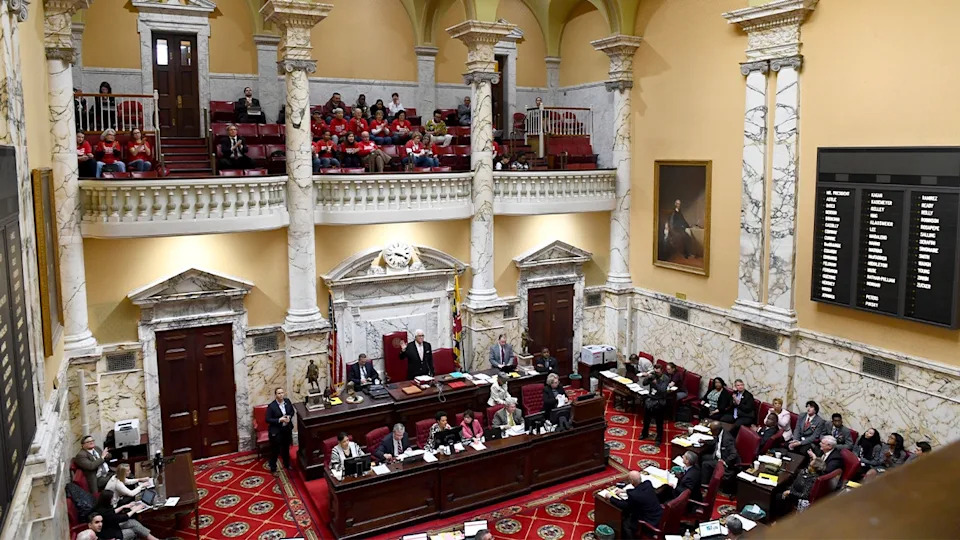
Senate members wave to Girl Scouts in the balcony on the last day of the legislative session known as sine die on April 9, 2018.
A preliminary report is due Jan. 1, 2027, with a final report required by Nov. 1, 2027. The commission is scheduled to expire in the summer of 2028.
Debate And Reactions
Rep. Matthew Morgan (R–St. Mary’s County) criticized the legislation on the House floor, calling it "immoral" and "fiscally ruinous," and argued lawmakers should address affordability and opportunity through other means.
Del. Terri Hill (D–Howard County) urged colleagues to override the veto, saying the commission is the right step to confront historical harms and pursue accountability.
The Legislative Black Caucus of Maryland praised the override as a "landmark" action that advances truth-telling, accountability and meaningful progress for Black Marylanders.
What Comes Next
The newly established commission will begin its work according to the timeline in SB 587, holding hearings, gathering historical and economic research, and developing recommendations for the legislature. Any policy changes or payments would require later legislative approval and funding decisions.


