A delegation of Western and Arab diplomats, led by the U.S. and Saudi ambassadors and accompanied by Gen. Rodolph Haikal, inspected border areas where Lebanese forces and U.N. peacekeepers are working to remove Hezbollah fighters south of the Litani River. Beirut says the army aims to clear the area by year-end, while Hezbollah says it will withdraw south of the Litani but keep weapons elsewhere. The visit comes amid U.S. pressure on Lebanon, ongoing Israeli airstrikes since the Nov. 2024 ceasefire, and U.N. reports that 127 civilians have died in post-ceasefire strikes.
Diplomats Inspect Lebanon–Israel Border as Lebanese Army Moves To Remove Hezbollah Fighters

FILE - Lebanese army soldiers walk through a tunnel dug into a mountain that was used by Hezbollah militants as a clinic and storage facility near the Lebanese-Israeli border in the Zibqin Valley, southern Lebanon, Nov. 28, 2025. (AP Photo/Bilal Hussein, File)
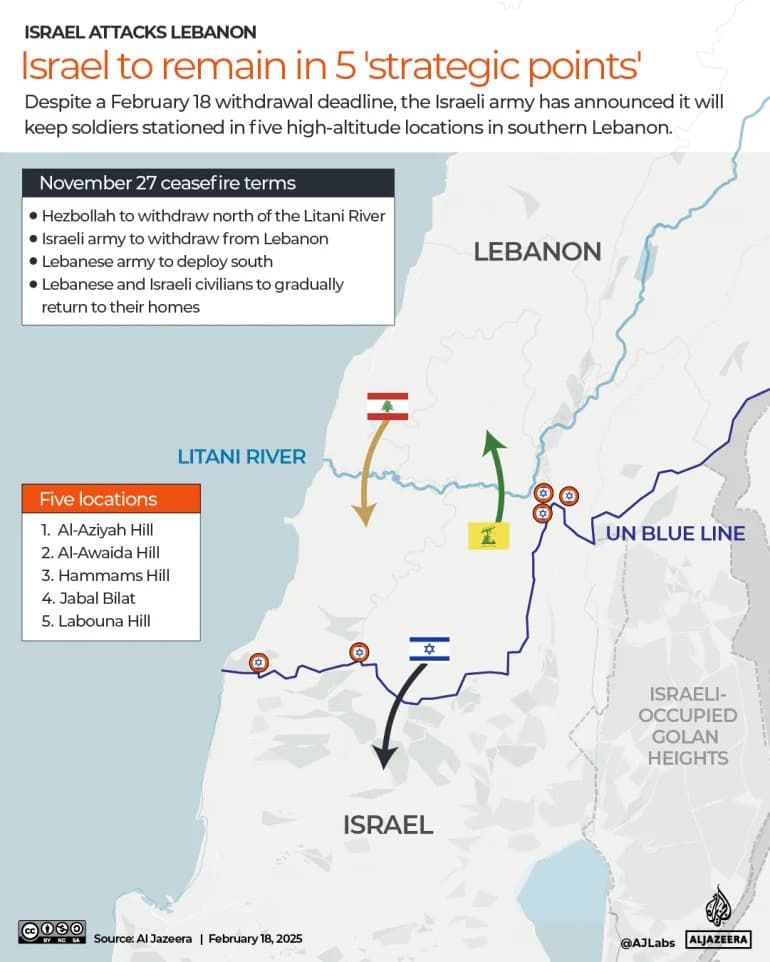
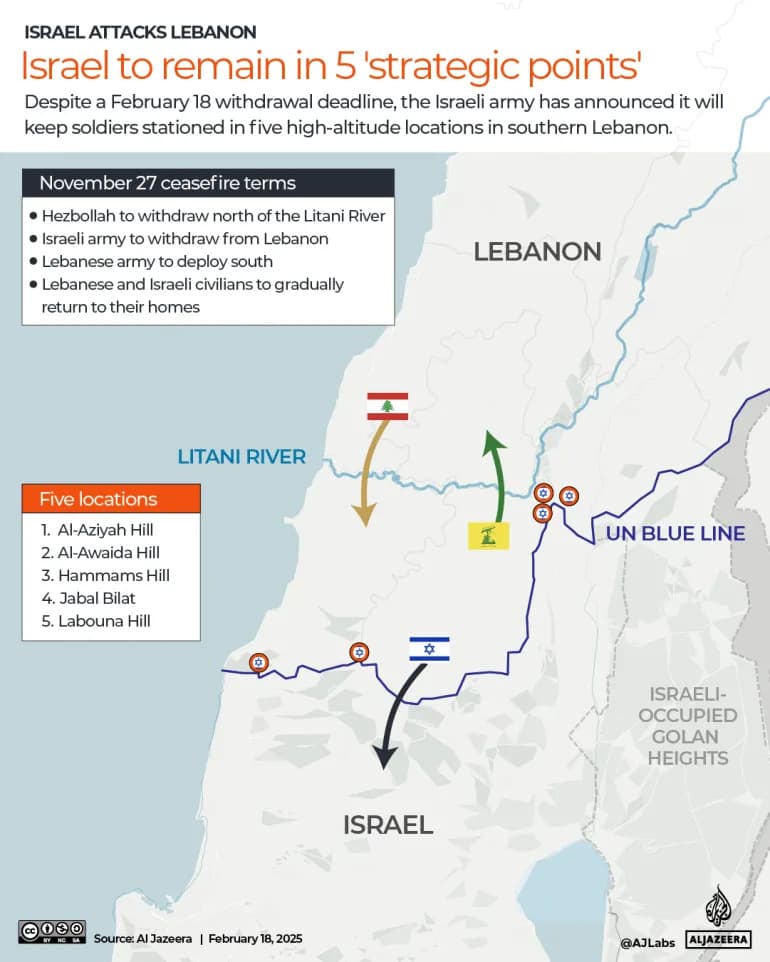
BEIRUT — A delegation of Western and Arab diplomats, including the ambassadors of the United States and Saudi Arabia, visited a stretch of Lebanon’s border with Israel on Monday to observe efforts by the Lebanese army and U.N. peacekeepers to remove the armed presence of Hezbollah from areas south of the Litani River.
The group was accompanied by Gen. Rodolph Haikal, commander of the Lebanese Armed Forces, and senior military officers deployed in the border zone. Lebanese officials say the army aims to clear all border areas south of the Litani by the end of the year.
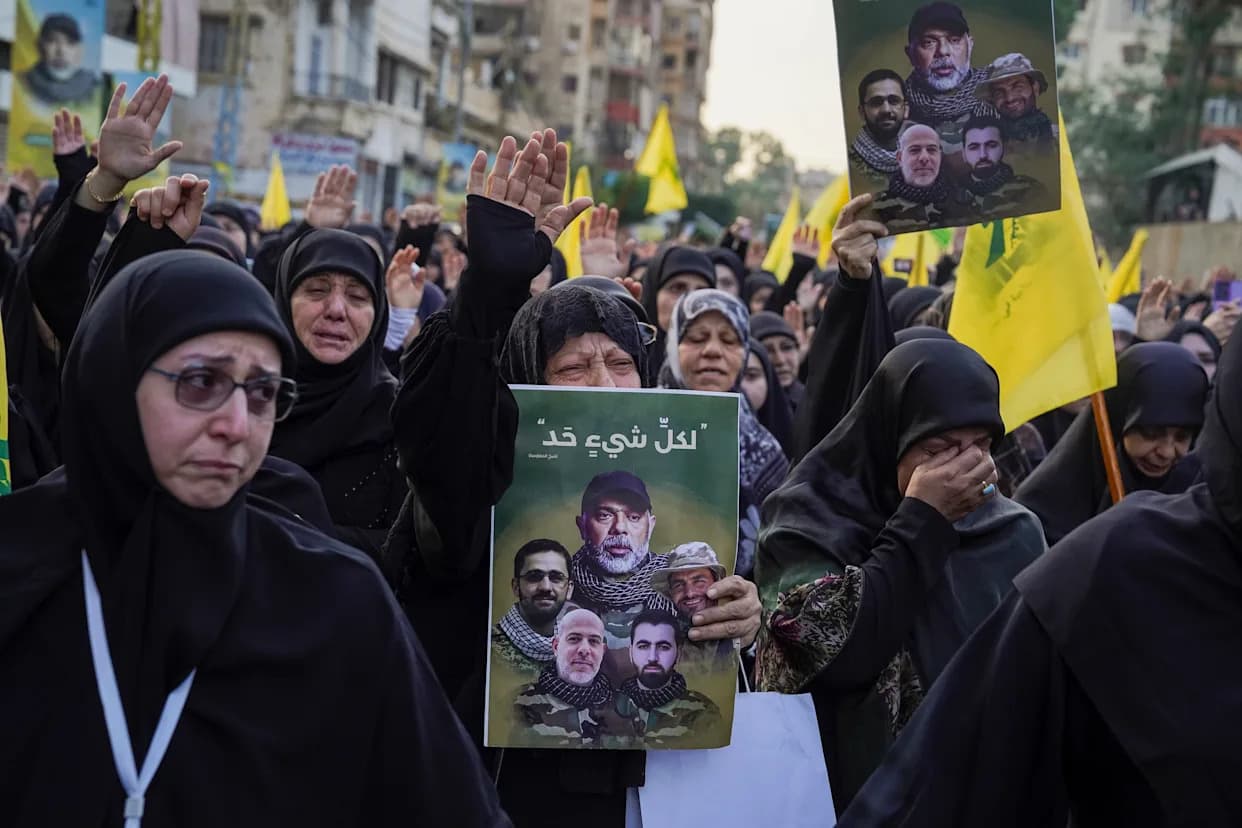
Hezbollah deputy leader Naim Qassem has said the group will withdraw its military presence south of the Litani but reiterated that it intends to keep weapons in other parts of Lebanon.
Large parts of the territory between the Litani River and the Israeli border were once Hezbollah strongholds and had been off-limits to both the Lebanese army and U.N. forces. During the site visit, the diplomats and military attaches were taken to an army position overlooking one of five hills inside Lebanon that Israeli forces captured last year.
“The main goal of the military is to guarantee stability,” an army statement quoted Gen. Haikal as telling the delegation. The statement added the visit was intended to demonstrate the Lebanese army’s commitment to the ceasefire that ended last year’s Israel–Hezbollah war.
The most recent Israel–Hezbollah conflict began on Oct. 8, 2023, a day after Hamas’s attack on southern Israel, when Hezbollah fired rockets in solidarity and tensions escalated. Israel launched a broad bombardment of Lebanon in 2023 that significantly weakened Hezbollah, followed by a ground invasion, and the fighting concluded with a U.S.-brokered ceasefire in November 2024.
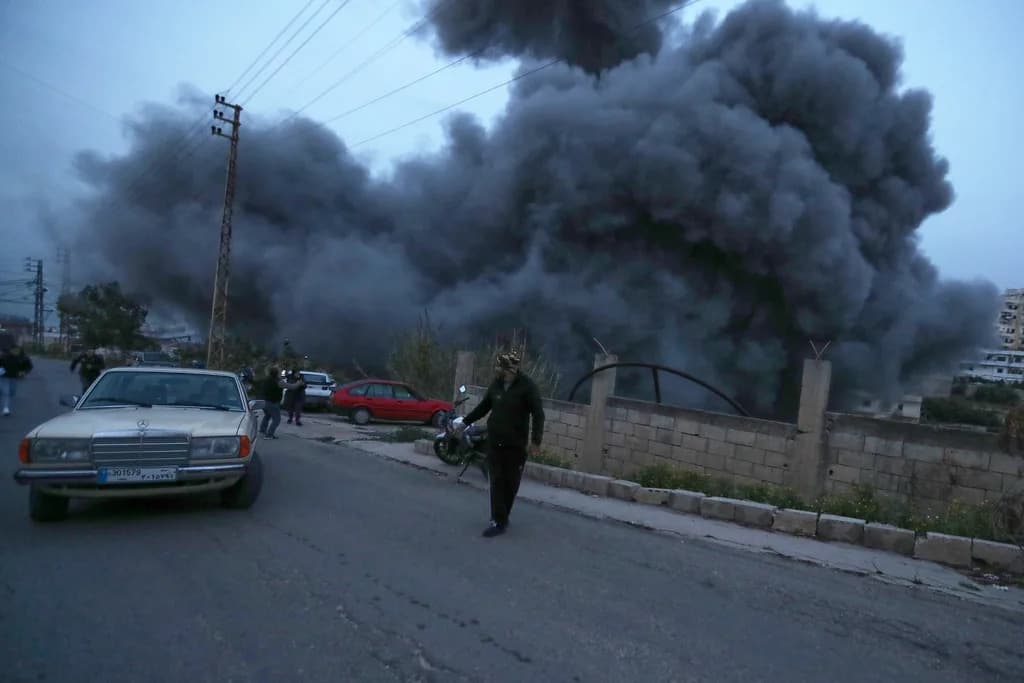
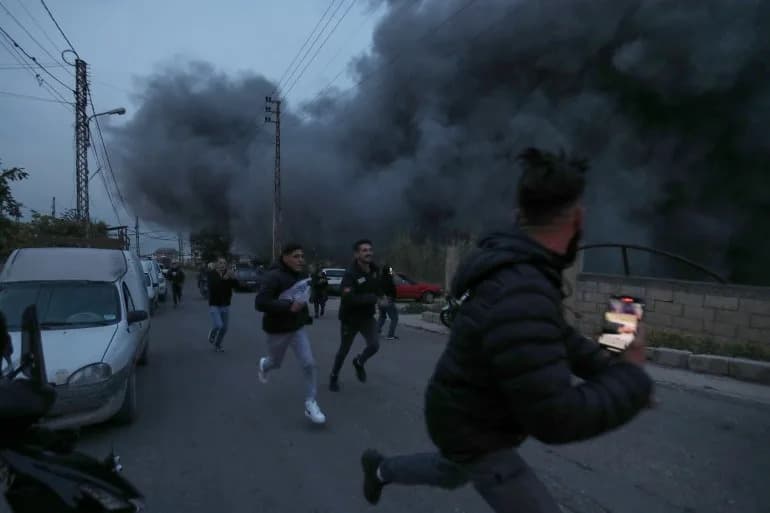
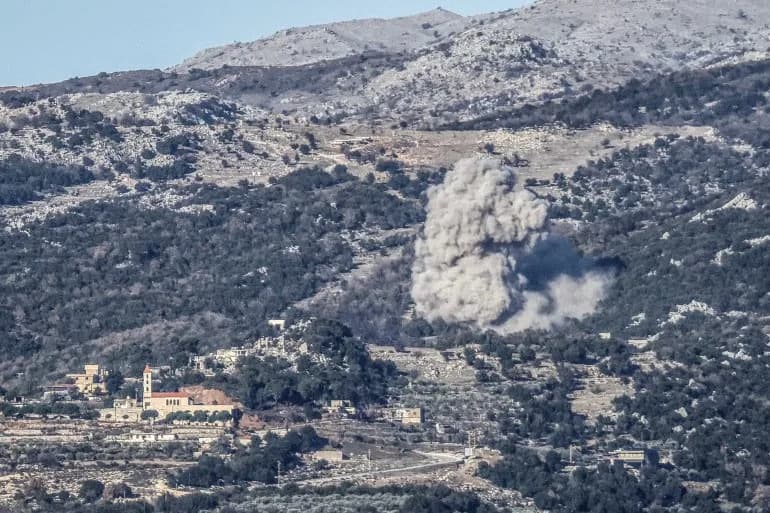
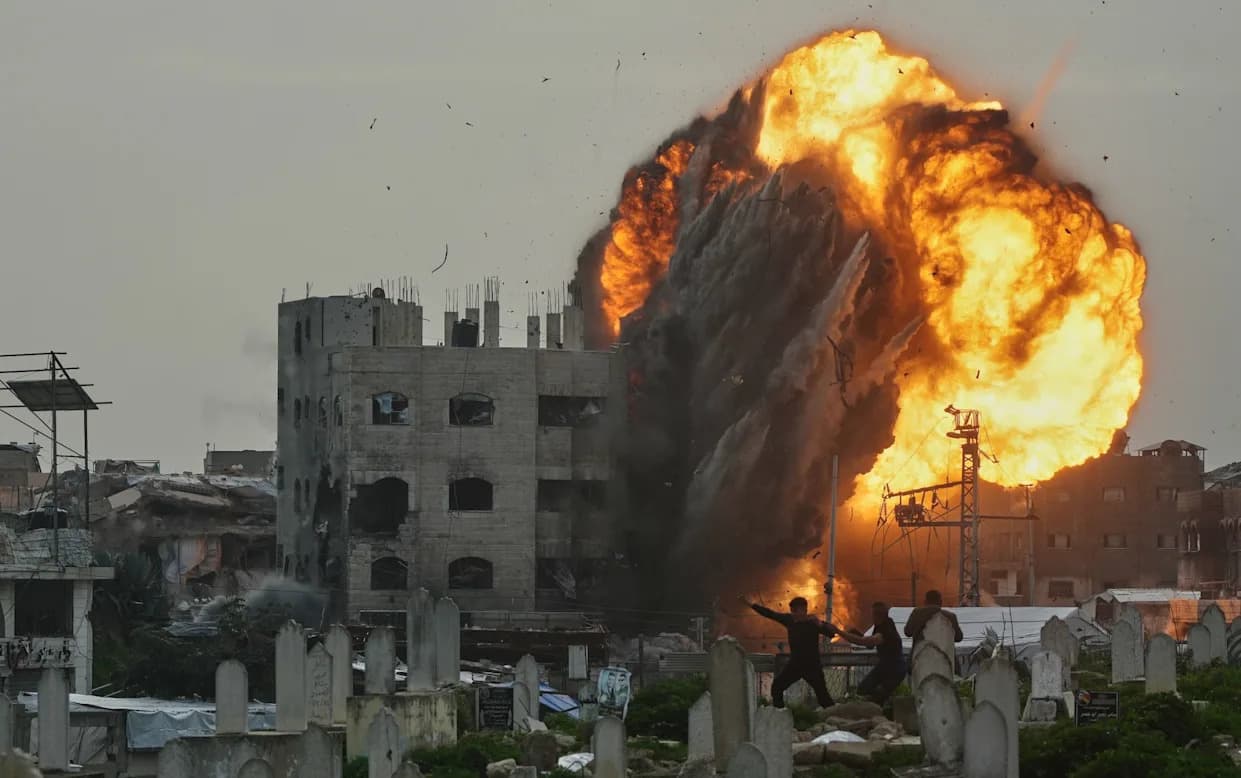
Since the ceasefire, Israel has carried out near-daily airstrikes aimed mainly at Hezbollah targets. The U.N. High Commissioner for Human Rights has reported that those strikes have killed 127 civilians. On Sunday, the Israeli military said it had killed three Hezbollah members in strikes in southern Lebanon.
In recent weeks, Washington has increased pressure on Beirut to do more to disarm Hezbollah. The U.S. canceled a planned visit by Gen. Haikal to Washington last month after an army statement in Beirut criticized Israel and said its actions were destabilizing Lebanon and impeding Lebanese deployments in the south.
A senior Lebanese army official told The Associated Press that Gen. Haikal will travel to France this week for talks with U.S., French and Saudi officials on how to support the army’s mission; the official spoke on condition of anonymity because he was not authorized to speak publicly. The Lebanese armed forces continue to face severe strains from the economic crisis that began in October 2019.
Help us improve.