
Bolivia’s newly inaugurated conservative president, Rodrigo Paz, has launched a rapid foreign policy shift toward the United States and other Western partners. Foreign Minister Fernando Aramayo visited Washington to restore ties with Israel and court U.S. investment and technology, especially for lithium extraction. The administration aims to diversify away from Chinese dominance in mining and to confront transnational criminal networks that grew during almost two decades of leftist rule. Bolivia also backs efforts toward a democratic transition in Venezuela.
Bolivia’s Sharp Pivot Toward the U.S.: Seeking Investment, Lithium Tech and a Break With China and Maduro

Bolivia's new Foreign Minister, Fernando Aramayo Carrasco, spoke with Fox News Digital about his goals for the US relationship.
Bolivia has moved rapidly to reorient its foreign policy toward the United States after years of close ties with China and Venezuela. President Rodrigo Paz, a pro‑business conservative sworn in last month, has signaled a broad realignment: courting U.S. investment and technology, restoring diplomatic ties with Israel, and pledging to confront entrenched criminal networks that flourished during the previous two decades of leftist rule.

A truck crosses the flooded southern Uyuni Salt Flat in Bolivia, where vast lithium reserves have drawn Chinese investment, but the new government is seeking to shift toward the U.S. and break up what it calls China’s "monopoly" on mining its natural resources, particularly lithium.
New Government, New Direction
Foreign Minister Fernando Aramayo visited Washington this week to sign an agreement reestablishing diplomatic relations with Israel, a relationship cut by the prior government amid the Gaza war. In interviews, Aramayo framed the shift as a search for long‑term partnerships grounded in shared democratic values and economic opportunity.

La Paz is seeking tighter relations with Washington after years of close relations with Beijing and Caracas.
Lithium, Mining and Investment
Aramayo emphasized that attracting U.S. investment and technology is a top priority, especially for Bolivia’s lithium and mining sector. "The U.S. has a lot of technology and experience in sustainable resource extraction," he said, adding that Bolivia wants technology transfers and participation across the full production chain. The new administration says it will introduce laws and regulations designed to diversify investment and reduce what it describes as China’s dominant position in Bolivia’s resource sector.
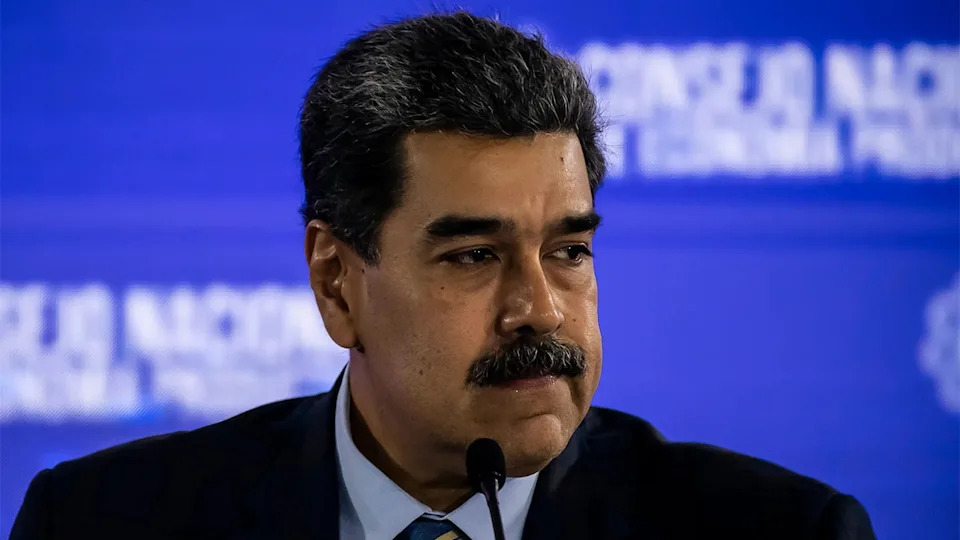
The interview comes as the U.S. steps up pressure on Venezuelan leader Nicolás Maduro, striking what U.S. officials describe as narco-trafficking vessels linked to his regime and seizing an oil tanker allegedly used to evade sanctions.
Security Concerns and 'Narco Authorities'
Bolivian officials also highlighted transnational criminal organizations as an urgent regional challenge. Aramayo warned that cartels have embedded themselves across South America and that Bolivia still grapples with the legacy of what he called "narco authorities" from the past two decades. He argued those networks undermine public confidence in institutions and drive cross‑border instability.
Regional Diplomacy and Venezuela
The realignment comes as the U.S. increases pressure on Venezuelan leader Nicolás Maduro, including actions targeting vessels the U.S. says are linked to narcotrafficking. Aramayo did not criticize those U.S. moves, saying Washington has the right to defend its interests. Bolivia’s government said it will support efforts toward a democratic transition in Venezuela and work with regional partners to help restore legitimacy and functioning institutions there.
What To Watch
Key developments to follow include the passage of investment‑friendly mining and energy laws, specific technology‑transfer agreements with foreign firms, the composition of foreign investors in Bolivia’s lithium chain, and regional cooperation on security and anti‑narco efforts. How Bolivia balances economic diversification with sovereignty concerns will shape its foreign policy trajectory in the coming months.
Bottom line: Bolivia’s incoming administration is pursuing a targeted pivot to Western partners—especially the U.S.—seeking technology, capital and security cooperation while distancing itself from China and the Maduro regime.


