
Bryan Stern, founder of the Grey Bull Rescue Foundation, said the nearly 16‑hour nighttime extraction of Nobel laureate María Corina Machado from Venezuela was the most difficult and high‑risk mission his team has undertaken. Machado was ferried by boat to shore early Wednesday and then flown via Curaçao and Bangor, Maine, to Oslo to accept the Nobel Peace Prize and reunite with her daughter. Stern said Venezuelan, Cuban and elements of Russian intelligence had been searching for her, and he publicly urged Machado not to return to Venezuela because of the serious risks to her safety.
Special Forces Veteran Pleads With María Corina Machado Not To Return After Perilous 16‑Hour Sea Extraction

Nobel Peace Prize laureate and Venezuelan opposition leader Maria Corina Machado listens during a press conference in Oslo, Norway on Thursday. - Leonhard Foeger/Reuters
A U.S. special forces veteran who led the team that helped extract Nobel laureate María Corina Machado from Venezuela has publicly urged her not to return, after a hazardous operation that lasted nearly 16 hours and took place mostly at night across rough seas.
The Extraction
Bryan Stern, founder of the Grey Bull Rescue Foundation, described the mission to CNN as “the hardest, most high‑profile, most delicate operation we’ve conducted.” Stern told a virtual briefing that Machado boarded a vessel off the Venezuelan coast and was transferred at sea to a second boat where his team picked her up. She reached that vessel by Tuesday night and was taken to shore early Wednesday morning.
Travel To Oslo
From the shore Machado boarded a plane bound for Norway to accept the Nobel Peace Prize and reunite with her daughter. Flight‑tracking data verified by CNN shows the aircraft departed Curaçao on Wednesday morning, stopped in Bangor, Maine, and then continued to Oslo. The Dutch Embassy in Caracas — which represents the interests of Aruba, Bonaire and Curaçao — denied any role in her departure.
Why It Was Risky
Stern said Machado’s international profile increased the danger: Venezuelan and Cuban intelligence services, and parts of Russian intelligence, had been searching for her for months. He told CNN the risk intensified this week because of the Nobel Prize, making the operation significantly more dangerous than prior missions.
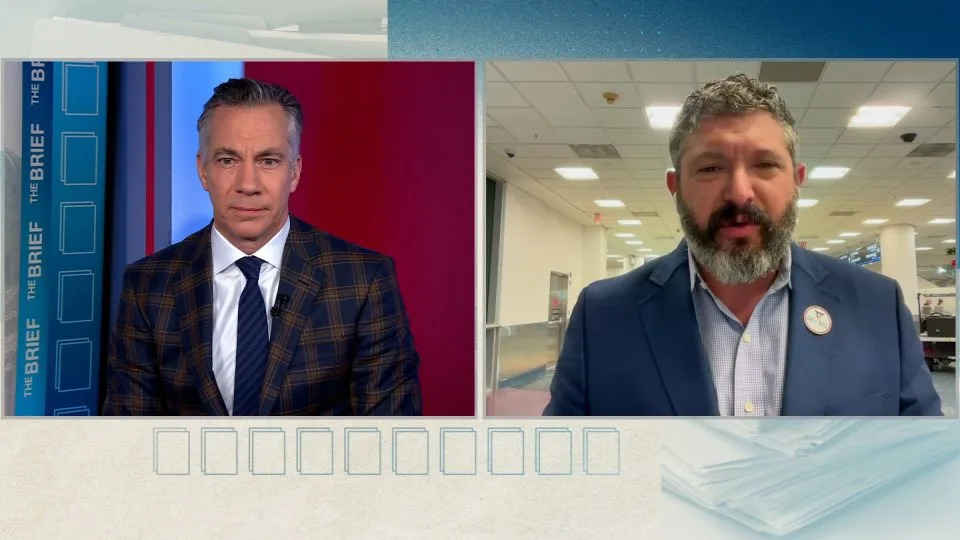
Bryan Stern speaks with CNN about extracting Maria Corina Machado from Venezuela. - CNN
“Because of her face, because of her signature… it made this operation significantly more high risk than we’ve ever done before,” Stern said.
Stern also noted that Grey Bull has conducted roughly 800 operations helping more than 8,000 people, but that Machado was the first rescue subject he had encountered who “has a Wikipedia page.”
Support, Funding And U.S. Awareness
Machado has previously acknowledged receiving unspecified "support" from the U.S. government but has not provided details, saying disclosure might put people at risk. Stern said the mission was funded by anonymous donors and, to his knowledge, did not have official U.S. government backing. He added that his team did notify the U.S. military of their general presence and operating area at sea to avoid being mistaken for drug‑smuggling vessels during concurrent U.S. operations in the Caribbean; he said details of the objective were disclosed only at the highest levels and in the final minutes.
Aftermath And Warning
Machado arrived in Oslo hours after the Nobel ceremony, where her daughter accepted the prize on her behalf. She later appeared on the balcony of Oslo’s Grand Hotel to cheering supporters and spoke with Venezuelans who said they hope for a future return to a free country.
When asked whether his team would help Machado return to Venezuela, Stern said he had begged her not to go back, warning that a return could place her at risk of arrest, torture or worse. He praised her as a determined leader who nonetheless faces serious personal danger if she returns to Venezuela.
This extraction underscores the risks faced by high‑profile dissidents and the complex, often secretive logistics involved in getting them to safety. Several parties have declined to comment publicly on the operation, and details remain limited by security concerns.
Help us improve.





















