
In 2025 several of the world’s most dramatic volcanic landscapes are too unstable for visitors. Increased seismicity, gas emissions, thermal shifts and unpredictable eruption styles have prompted permanent or indefinite closures at key summit and crater zones. From pyroclastic flows and phreatic explosions to lahars and sudden ground collapse, these hazards make close approaches unsafe — observe these sites only from designated vantage points.
11 Volcanic Regions Too Unstable for Visitors — Where Beauty Meets Danger (2025)

Image Credit : Shutterstock.
Volcanoes are among Earth’s most powerful natural forces: they sculpt landscapes, create dramatic vistas and remind us how quickly conditions can change. In 2025, rising seismic activity, stronger gas emissions, thermal shifts and evolving eruption patterns have led authorities worldwide to tighten access or close many high-risk volcanic zones. These places are visually striking, but their instability makes close visitation unsafe.
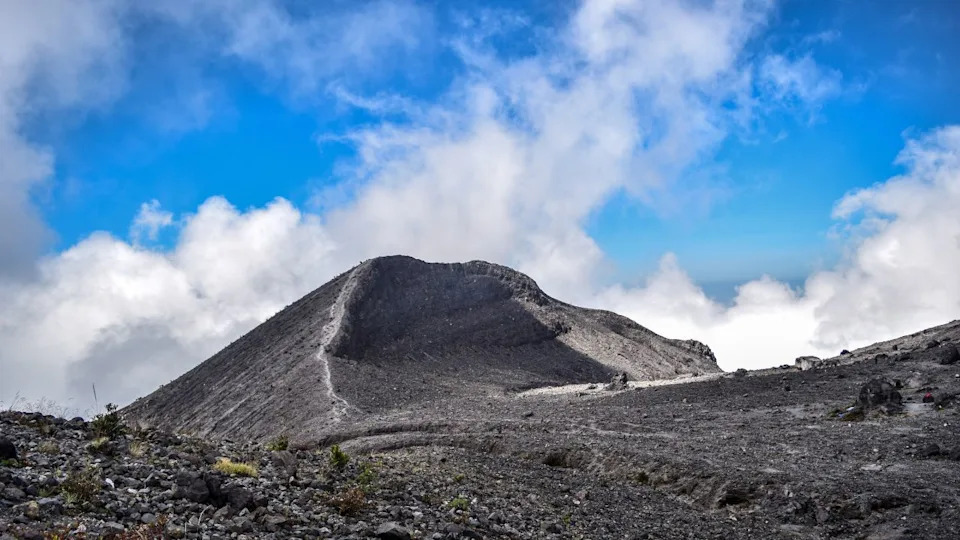
Image Credit : Shutterstock.
This guide highlights 11 volcanic regions that experts and officials strongly advise against visiting. The descriptions explain the main hazards — from phreatic explosions and pyroclastic flows to lahars, sudden ground collapse and toxic gases — and why remote observation and scientific monitoring have become the preferred means of study.
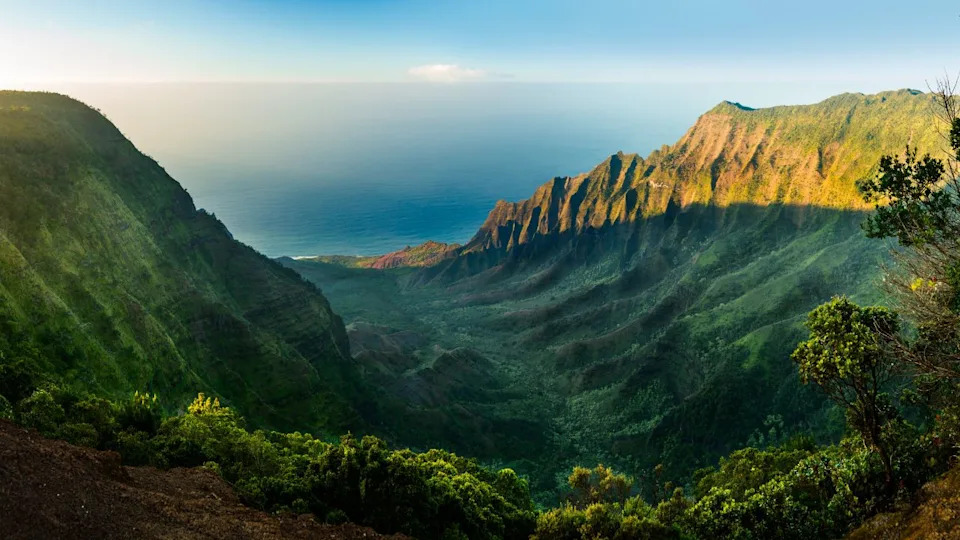
Image Credit : Shutterstock.
Mount Merapi (Near Yogyakarta, Indonesia)
Merapi is one of the world’s most active volcanoes and is notorious for frequent eruptions and deadly pyroclastic flows. Its proximity to densely populated areas elevates the risk. Calm periods can quickly give way to explosive activity, with ash columns, rockfalls and gas bursts that make slopes and crater zones off-limits. In 2025, authorities recommend viewing Merapi only from designated lookout points well away from the summit.
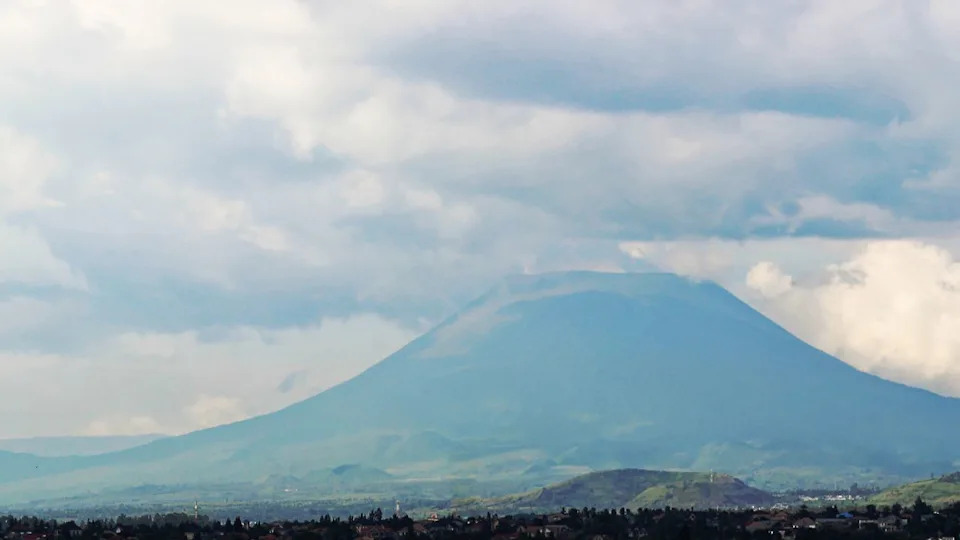
Image Credit : Shutterstock.
Kīlauea (Hawai‘i Volcanoes National Park, USA)
Although Kīlauea remains highly active, the summit area around Halemaʻumaʻu is particularly unstable after recent collapses and explosive events. Crater rims and summit terrain can fail without warning, and volcanic gases may spike to hazardous levels. Park managers regularly update closures; researchers use extreme caution and often rely on remote monitoring. Visitors should restrict themselves to park areas that are explicitly open and follow all guidance from the National Park Service.
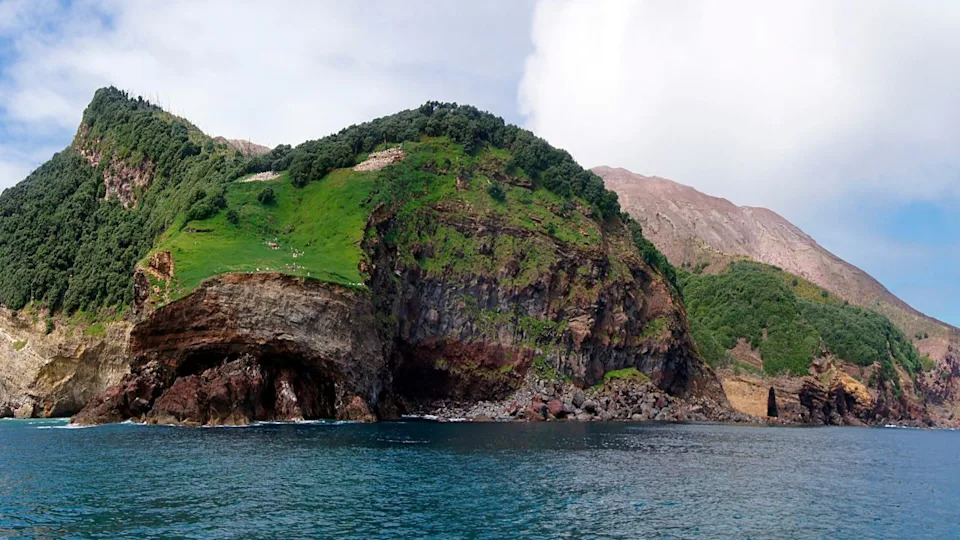
Image Credit : Shutterstock.
Mount Nyiragongo (Near Goma, Democratic Republic of the Congo)
Nyiragongo’s exceptionally fluid lava can move at remarkable speeds, a trait that has produced fast-moving, destructive flows into nearby communities. Ongoing seismic unrest beneath the crater indicates elevated eruption potential, and ground around the summit can fracture or collapse over hidden lava tubes. Authorities prohibit tourism near the crater; scientific monitoring is the only recommended activity in the vicinity.
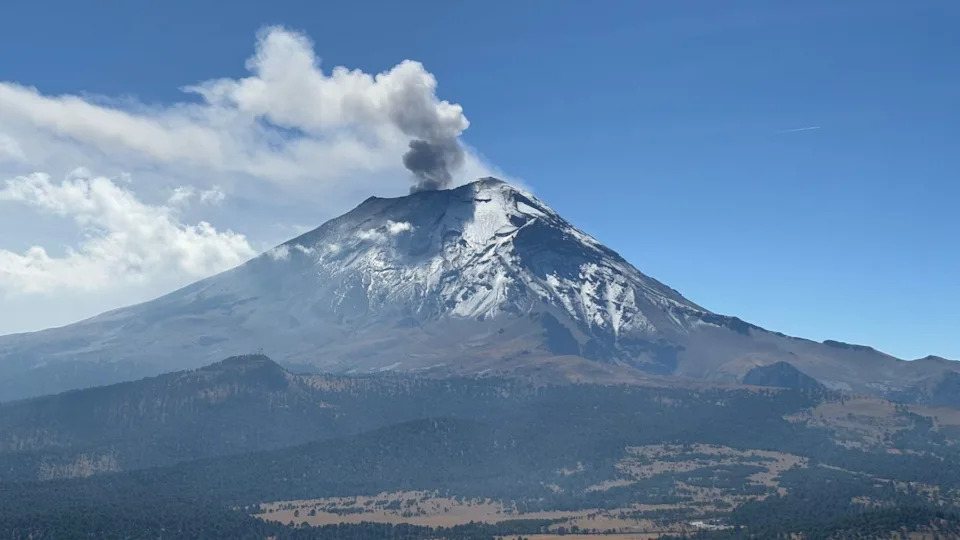
Image Credit : Shutterstock.
Whakaari / White Island (New Zealand)
After the fatal 2019 phreatic eruption, Whakaari remains highly unpredictable and dangerous. The island routinely emits steam, ash and toxic gases with little or no warning, and the exposed crater offers no shelter. New Zealand has banned public visits; researchers now rely on drones and remote sensors to study the island.
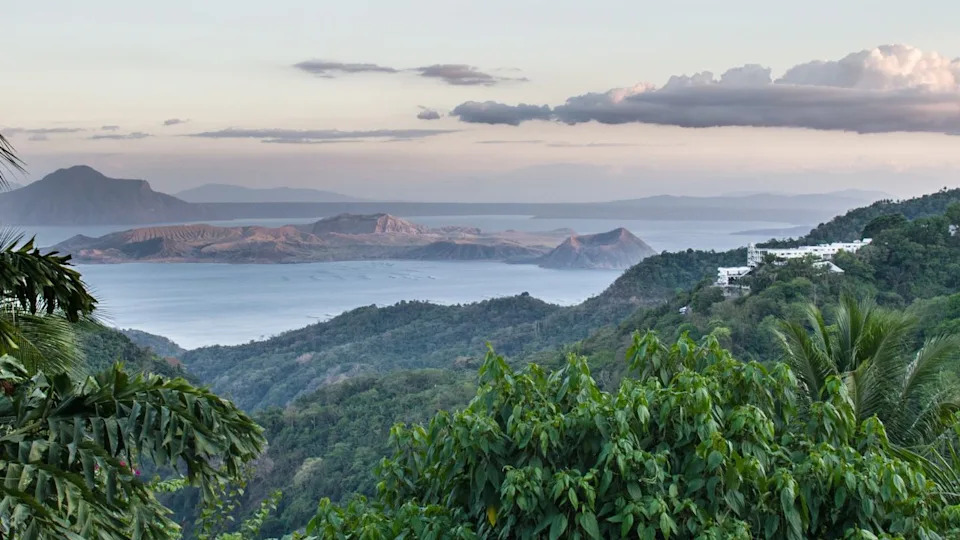
Image Credit : Shutterstock.
Popocatépetl (Near Mexico City, Mexico)
Popocatépetl is closely monitored due to frequent ash plumes, glowing explosions and ballistic ejecta. A permanent exclusion zone around the summit is strictly enforced. Even moderate activity can produce ash that disrupts air traffic and melt snow or ice to trigger lahars. Spectators should only view the volcano from established safe vantage points.
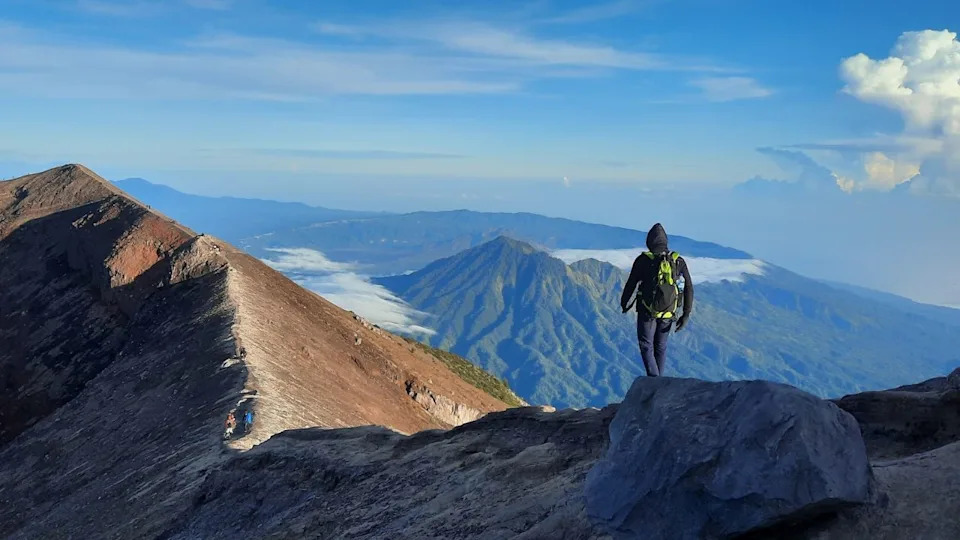
Image Credit : Shutterstock.
Taal Volcano (Batangas, Philippines)
Taal sits inside a crater lake near Manila and has shown renewed volatility in recent years. Seismic unrest, gas emissions and sudden steam-driven explosions have rendered the crater island permanently off-limits. Toxic sulfur dioxide and the potential for explosive activity mean that safe viewing is limited to lake-rim observation points outside the exclusion zone.
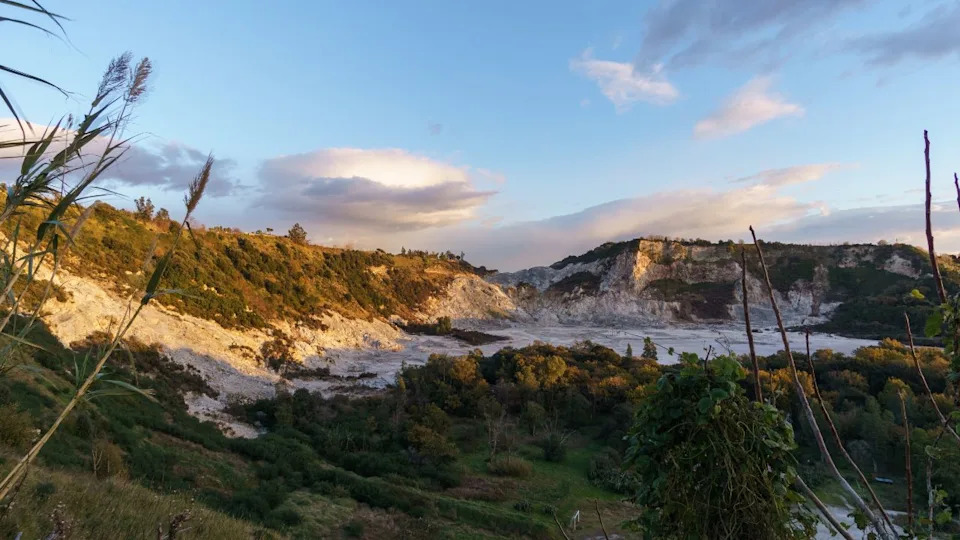
Image Credit : Shutterstock.
Mount Agung (Bali, Indonesia)
Mount Agung’s eruptions in recent years produced ash clouds, explosions and prolonged seismic swarms. The volcano’s steep, fractured upper slopes and intermittent gas emissions make climbs hazardous even during apparent lulls. Exclusion zones shift with seismic data, so visitors should admire Agung only from approved vantage points.
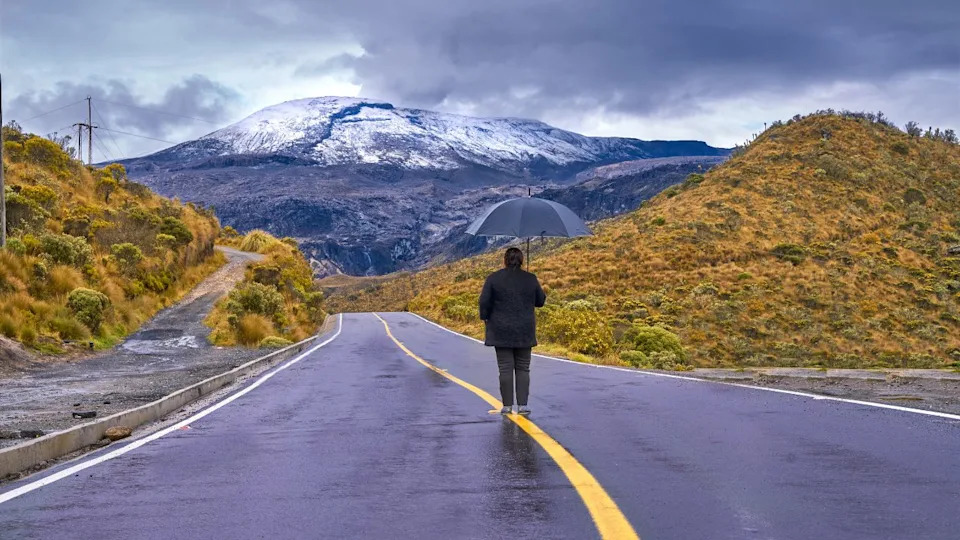
Image Credit : Shutterstock.
Campi Flegrei (Near Naples, Italy)
Campi Flegrei is a large, restless caldera with multiple vents and a history of ground uplift and seismic swarms. Because it underlies densely populated areas, even modest unrest warrants caution: ground cracking, sudden heating and gas release can occur unpredictably. Officials discourage entry into high-risk caldera sectors and prioritize remote monitoring and preparedness planning.
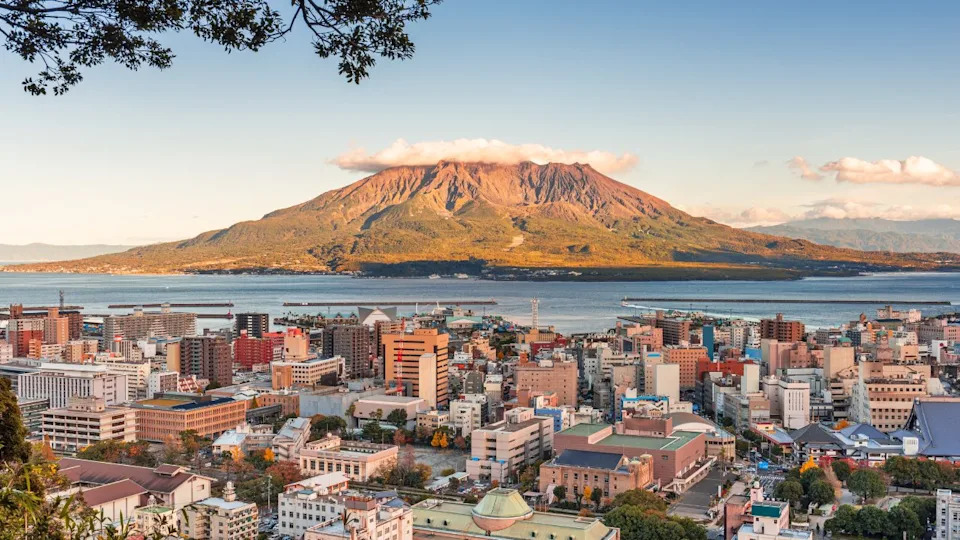
Image Credit:Shutterstock.
Nevado del Ruiz (Colombia)
Nevado del Ruiz remains dangerous due to its history of deadly lahars and current thermal and gas variability. Snow and ice on its slopes can melt during eruptions, producing fast-moving mudflows that travel down river valleys. Summit access is restricted and visitors should use approved town viewpoints to observe the volcano safely.
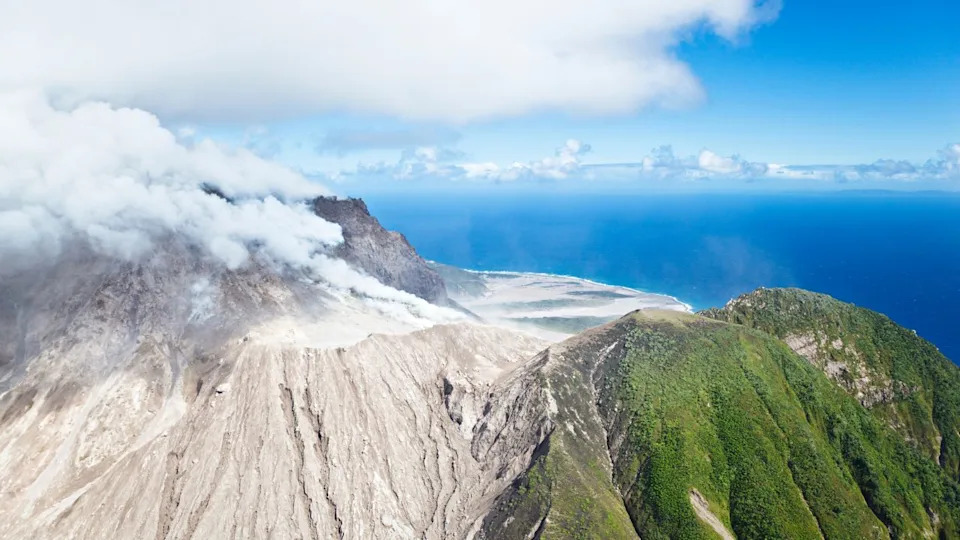
Image Credit : Shutterstock.
Sakurajima (Kagoshima Bay, Japan)
Sakurajima experiences frequent small eruptions and persistent ashfall. Although local systems and communities are well prepared, the summit and crater areas remain closed because of continuous eruptive activity. The volcano’s close proximity to populated areas increases the stakes, so visitors should use established observation sites, ferries and promenades to view it safely.
Soufrière Hills (Montserrat, Caribbean)
Soufrière Hills devastated southern Montserrat in the 1995 eruption and continues to pose major hazards, including pyroclastic flows, dome collapse and residual thermal hotspots. A rigorously enforced Exclusion Zone bars access to the active dome and the buried former capital of Plymouth. Overlook points permit distant viewing, but scientists warn the volcano can reawaken with little notice.
Safety Note: These volcanoes are included because of current monitoring data and official restrictions. Conditions may change; always consult local authorities and park managers before traveling near volcanic areas. Remote monitoring, sensors and drones are frequently the safest way to study active systems.


