
Tyler Robinson, 22, made his first in-person court appearance in Provo as debate continued over whether cameras should be allowed during proceedings in the Sept. 10 shooting that killed conservative activist Charlie Kirk. Judge Tony Graf briefly cleared the courtroom over an alleged livestream violation but later permitted reporting to continue, stressing a need to balance transparency with constitutional rights. Legal experts called media attention a "double-edged sword," warning it can both prejudice jurors and expose witnesses while sometimes helping a defense share favorable information. With prosecutors seeking the death penalty, attorneys say impartial jury selection and pretrial proceedings will be especially challenging.
Tyler Robinson’s First In-Person Hearing: Judge Weighs Camera Access as Defense Warns of Media ‘Double‑Edged Sword’

Tyler Robinson, accused of the murder of Charlie Kirk, appears during a hearing in Fourth District Court in Provo, Utah, Thursday, Dec. 11, 2025.
PROVO, Utah — Tyler Robinson, 22, appeared in person Thursday for his first courtroom hearing in the high-profile case over the Sept. 10 shooting of conservative activist Charlie Kirk at a Turning Point USA event on the Utah Valley University campus. Robinson is charged with aggravated murder, and prosecutors have said they plan to seek the death penalty.
Courtroom Clash Over Cameras
The hearing focused in part on whether cameras and live-streaming should be allowed during proceedings. State District Court Judge Tony Graf briefly ordered members of the media out of the courtroom after Robinson’s attorneys contended that a livestream feed violated an earlier order barring images of the defendant in restraints. The judge later allowed reporters to return and the livestream to continue, warning he would cut off broadcasts if his prior directive was violated.
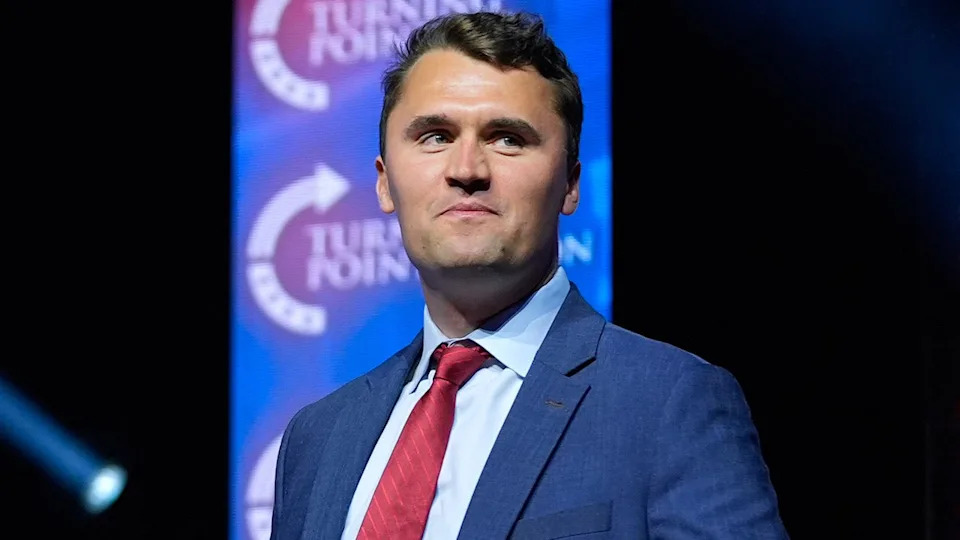
Charlie Kirk was a conservative activist who led Turning Point USA.
"This court takes this very seriously. While the court believes in openness and transparency, it needs to be balanced with the constitutional rights of all parties in this case," Judge Graf said.
What Happened in Court
Robinson arrived under significant security wearing a dress shirt, tie and slacks, and was visibly shackled at the waist, wrists and ankles. Observers noted a brief emotional moment when Robinson smiled at his tearful mother; his father and brother were seated in the front row. Defense counsel previously secured an order allowing Robinson to appear in street clothes rather than jail attire.
Defense Concerns and Expert Perspectives
Robinson’s legal team has argued that intense media attention threatens his right to a fair trial, could taint jury pools and may expose witnesses to intimidation or unwanted scrutiny. Utah criminal defense attorney Skye Lazaro described media attention as a "double-edged sword," noting press coverage can both harm a defense (by exposing witnesses or prejudicial details) and occasionally help it (by allowing favorable information to reach the public).
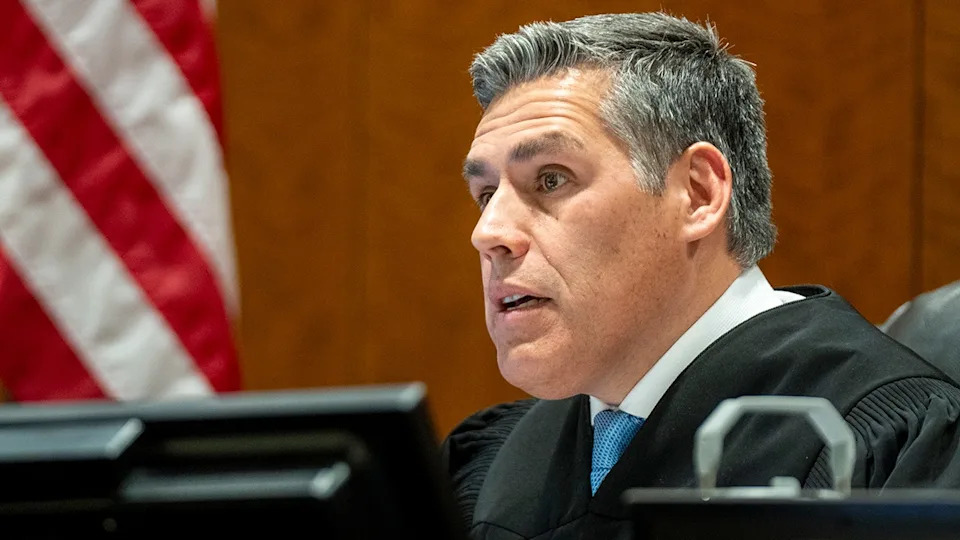
Judge Tony Graf presides over a hearing for accused Charlie Kirk assassin Tyler Robinson in the Fourth District Court in Provo, Utah, Thursday, Dec. 11, 2025.
"The con is when you argue motions, or you start arguing pretrial litigation issues, there's a lot of information that gets out there — some of it good, some of it bad," Lazaro said. "The only way really, as a defense attorney under the ethical rules, to get positive information out there about your client ... is to have press in the courtroom. So it really is a little bit of a double-edged sword."
Criminal defense attorney and Fox News contributor Donna Rotunno said Judge Graf’s handling of the brief removal suggested a preference for transparency so long as rules are followed. A coalition of media organizations has also pushed for continued public access after much of the case proceeded under sealed or closed conditions following Robinson’s arrest in September.
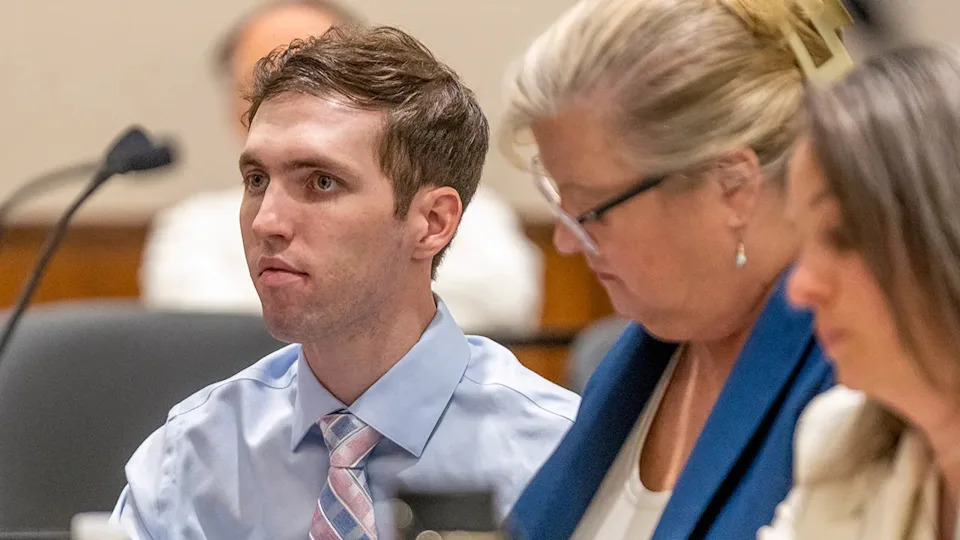
Tyler Robinson, charged in the murder of Charlie Kirk, appears during a hearing in Fourth District Court in Provo, Utah, Thursday, Dec. 11, 2025.
Other Stakeholders
Kirk’s widow, Erika Kirk, has urged the court to keep proceedings open, saying, "We deserve to have cameras in there." Defense attorney Kathy Nester has raised concerns about digitally altered images circulating online that have contributed to misinformation about Robinson and the case, according to The Associated Press. Both Robinson’s lawyers and the Utah County Sheriff’s Office have formally asked Judge Graf to ban cameras; no final ruling has been issued.
Next Steps and Legal Context
Because prosecutors have indicated they will seek the death penalty, legal experts note the trial could include two phases if Robinson is convicted — a guilt phase followed by a separate sentencing phase — making impartial jury selection more difficult in a widely publicized and polarizing matter. The court is expected to address the camera question and other pretrial matters as litigation continues.
Reporters Sarah Rumpf-Whitten, Adam Sabes and Michael Ruiz contributed to coverage.


