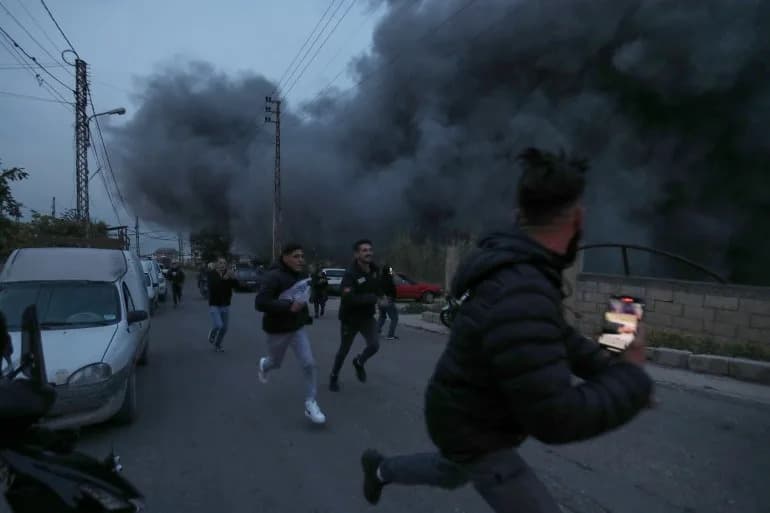
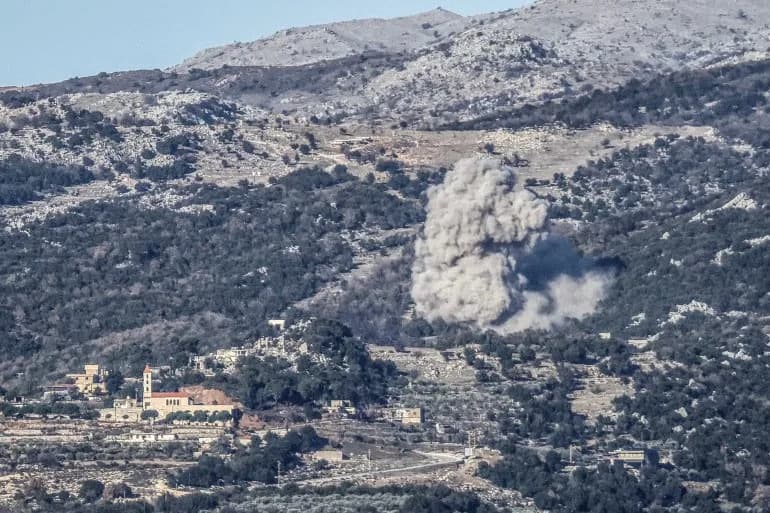
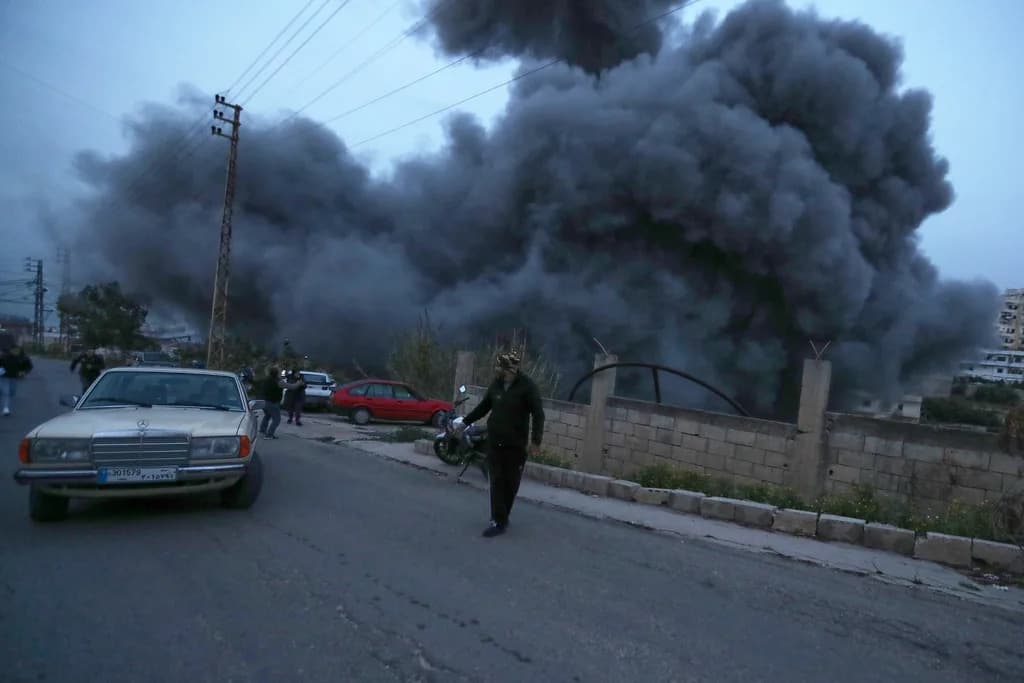
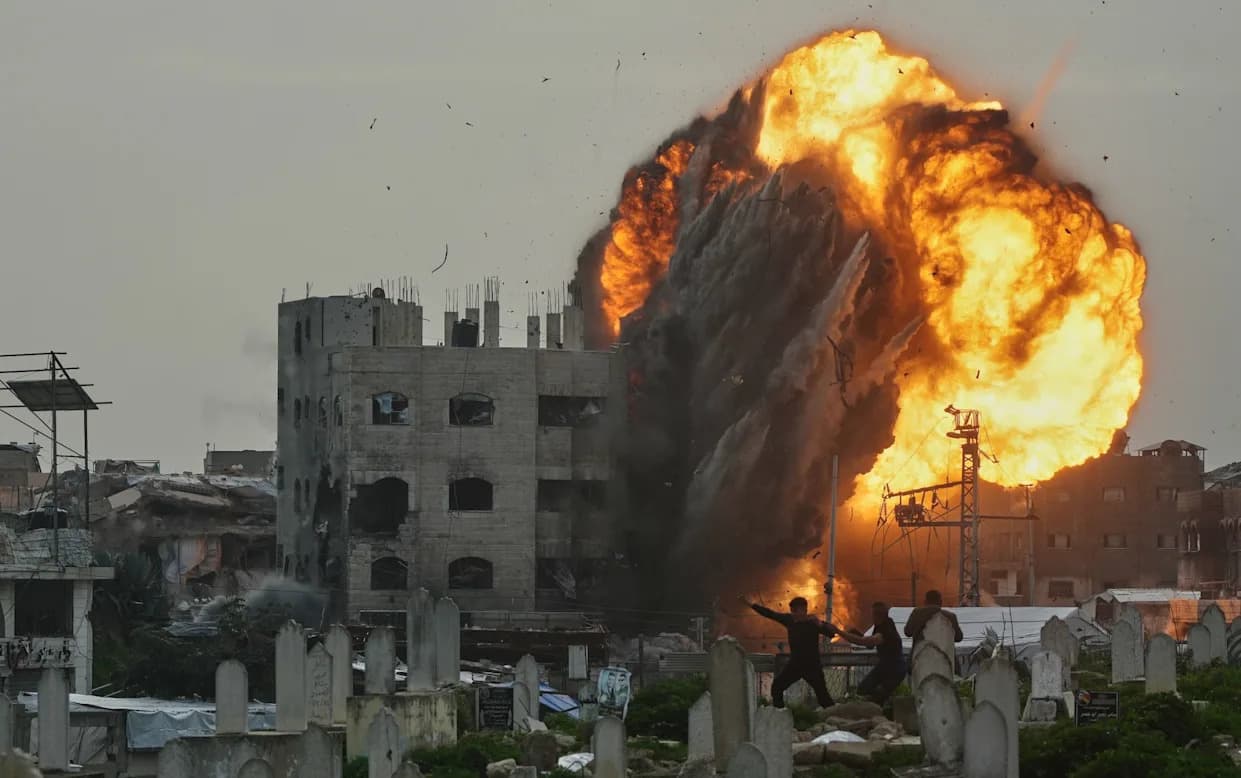
ACLED records show Israel carried out more than 600 air, drone and artillery strikes in Syria between 8 Dec 2024 and 28 Nov 2025, averaging nearly two attacks per day. The strikes were concentrated in the southern governorates — Quneitra, Deraa and Damascus — which together account for roughly 80% of recorded attacks. Israel says it targets Iranian-linked sites and weapons transfers to hostile groups; the UN and several Arab states denounce the operations as violations of Syrian sovereignty.
ACLED: Israel Carried Out 600+ Air, Drone and Artillery Strikes Across Syria in Past Year

One year after a lightning offensive by allied rebel forces toppled Damascus and ended the al-Assad family's 54-year rule, Israel sharply expanded its military campaign inside Syria, striking much of its neighbour's military infrastructure.
Key Findings
According to a tally by the Armed Conflict Location and Event Data Project (ACLED), Israeli forces conducted more than 600 air, drone and artillery strikes across Syria between 8 December 2024 and 28 November 2025 — an average approaching two attacks per day.
- Geographic Concentration: Nearly 80% of recorded strikes were concentrated in southern governorates. Quneitra, bordering the Israeli-occupied Golan Heights, recorded at least 232 attacks; Deraa recorded 167; and Damascus Governorate recorded at least 77 strikes (including at least 20 in Damascus city).
- Targets: Attacks reportedly focused on military infrastructure — airports, air-defence systems, fighter jets, logistics hubs, former regime military sites and suspected arms convoys.
Israel's Rationale and Actions
Israel has long said its strikes in Syria aim to dismantle Iranian military infrastructure and to prevent weapons transfers to groups it regards as hostile. Since the fall of the al-Assad government, Israeli officials have framed operations as preventing arms from reaching "extremists," a label that has shifted over time and recently has been applied to Hayat Tahrir al-Sham (HTS), the leading opposition group involved in the offensive that removed al-Assad.
Israeli authorities announced that, four days after Damascus fell, their forces had achieved air superiority by destroying more than 80% of Syria's air-defence systems — a claim Israel said was necessary to eliminate any future military threat from the new Syrian state.
Ground Incursions and Occupation
In the days following the regime's collapse, Israeli troops moved onto the Syrian side of the Golan Heights — territory Israel has occupied since 1967 — in a move criticized as a breach of the 1974 UN-brokered ceasefire. The Israeli military established several outposts, including at Jabal al-Sheikh and in nearby villages inside the United Nations-monitored demilitarised zone, from which it has launched air raids and ground operations.
International Reaction
The incursion and the pattern of strikes have drawn broad international criticism. The United Nations and several Arab states condemned Israel's actions as violations of Syrian sovereignty and breaches of international law. Despite these condemnations, Israeli Defence Minister Israel Katz said in February that Israeli forces would remain in the area indefinitely to "protect Israeli citizens" and to "prevent hostile entities from gaining a foothold" near the border.
Scale And Geography
To put the geography in perspective: the Israeli-occupied Golan Heights covers about 1,200 sq km (463 sq miles), roughly the size of New York City or Greater Manchester. The UN buffer zone covers another 235 sq km (91 sq miles), and Israel has seized an estimated additional 420 sq km (162 sq miles) of Syrian land beyond the buffer zone — an area comparable to Denver.
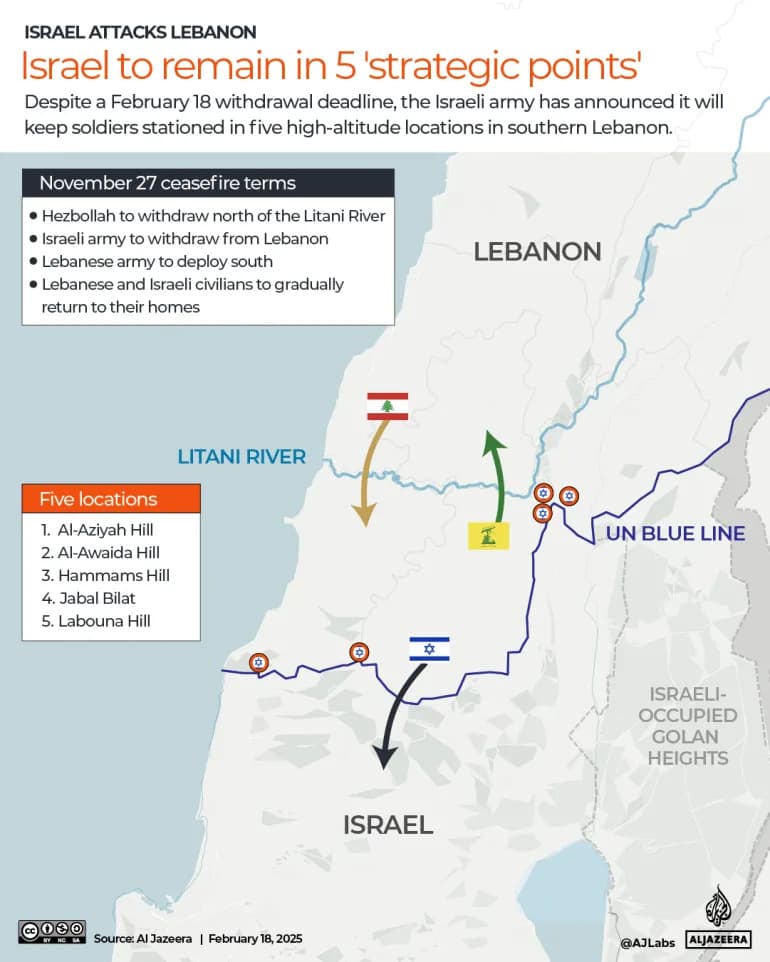
The accompanying ACLED map and an interactive slider (where provided) detail the timing and locations of the recorded strikes and the areas Israel has occupied over the past year.
Sources: Armed Conflict Location and Event Data Project (ACLED); official Israeli statements; UN and regional statements.
Help us improve.