Fear of bandit kidnappings in central and northwestern Nigeria has forced many city residents to avoid visiting rural hometowns. Families in Minna now often communicate with relatives in towns like Kontagora only by phone and electronic transfer. The insecurity follows mass abductions—including more than 300 schoolchildren in Papiri—and relies on local informant networks and forest hideouts. Social bonds and holiday commerce have weakened as people skip weddings, funerals and festive gatherings.
Kidnapping Fears Strain Family Ties Across Nigeria’s Rural Heartland

Fear Keeps Families Apart
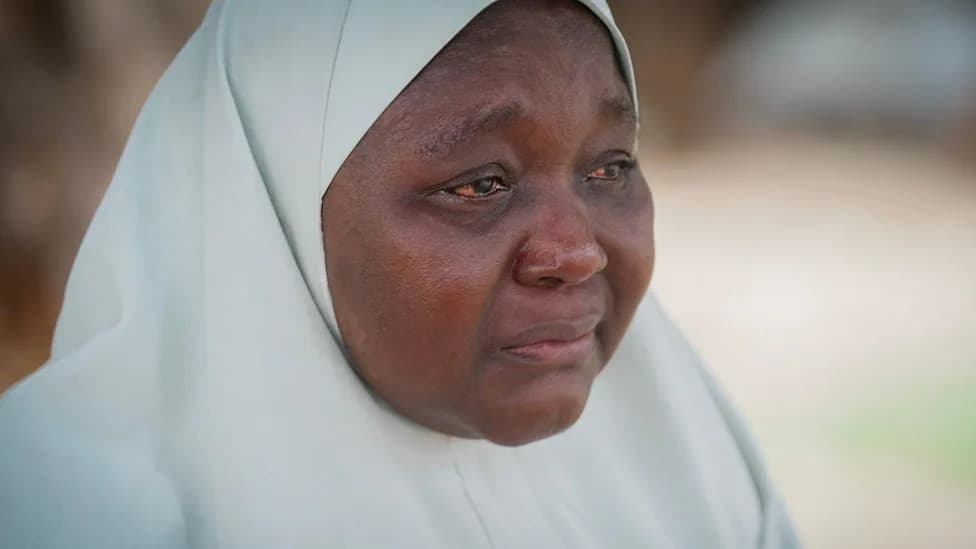
Abubakar Abdullahi has not seen his wife and five children in nearly three months. The 45-year-old civil servant works in Minna, the capital of Niger State, but is too frightened to travel the 200 kilometres (125 miles) to his hometown of Kontagora after a wave of kidnappings in the countryside.
"I'm too scared to visit my family because of kidnappers," Abdullahi told AFP while waiting at a restaurant. He remains haunted by the 2022 abduction of his elder brother from their Kontagora home, who was held for three months until the family paid a 50 million naira (about $35,000) ransom.
Mass Abductions and Local Trauma
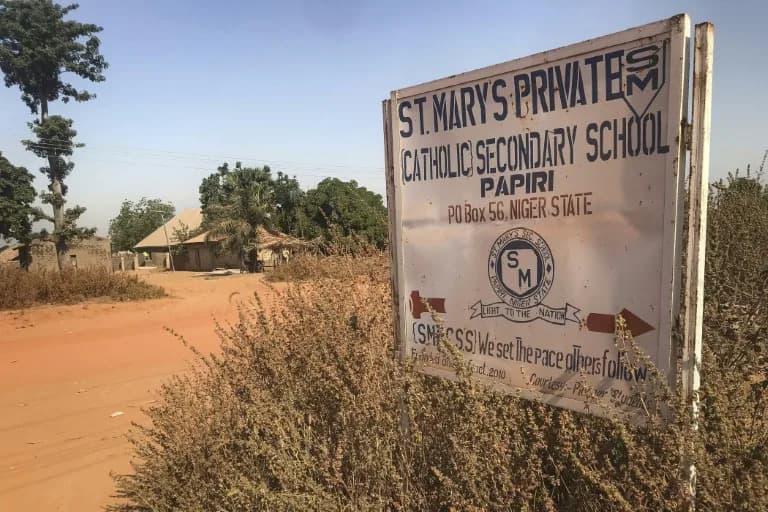
Kontagora lies roughly halfway to Papiri, the site of one of Nigeria's worst mass kidnappings, where more than 300 schoolchildren were seized from their dormitories two weeks ago. That attack, and earlier ransom cases, have amplified fear across Minna and other towns, prompting many residents to avoid returning to villages and small towns.
"This is pulling us apart and destroying our social bonds," said James David Gaza, a Catholic priest, describing how communal and religious ties have frayed under the pressure of insecurity.
How Bandits Operate
Criminal gangs known as bandits operate from forest hideouts across northwest and central Nigeria. They raid villages, burn homes after looting, and abduct residents to extract ransom. Bandits commonly rely on networks of local informants who monitor movements and tip them off to likely targets.
"They believe everyone from the city has money which is why we are always their target," Abdullahi said.
Niger State is the largest of Nigeria’s 36 states by land area—more than twice the size of Belgium—and its vast forests offer sanctuary for armed gangs. Once seized, escape is rare; victims are usually freed only after ransom payments, and those whose families cannot pay are sometimes killed.
Social And Economic Fallout
The fear of kidnapping has changed everyday life. Many people now confine contact with rural relatives to phone calls and electronic transfers. Weddings, naming ceremonies, funerals and other traditional gatherings have sharply declined, weakening long-standing kinship networks.
Traders also feel the impact. "They are afraid to come in and we are afraid to go and meet them," said Ifeoma Onyejekwe, a second-hand clothes seller whose rural customers have stopped coming to market. With the holidays approaching, she describes the season as "slow" and "dull."
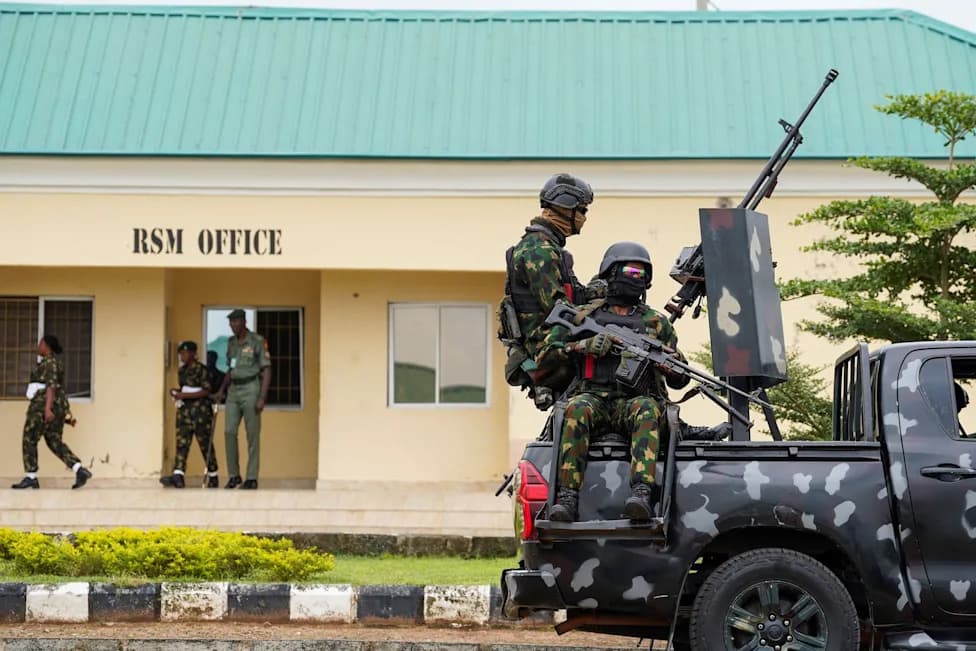
Some local arrests—such as the recent detention of eight suspected informants in Kontagora—have done little to restore public confidence. For many residents, the security risk remains too high to travel home.
Looking Ahead
As insecurity persists, families in Minna and other towns face a bleak prospect: holidays and communal life conducted at a distance, through phones and money transfers, while the long-term social and economic damage of widespread kidnappings deepens.
Help us improve.