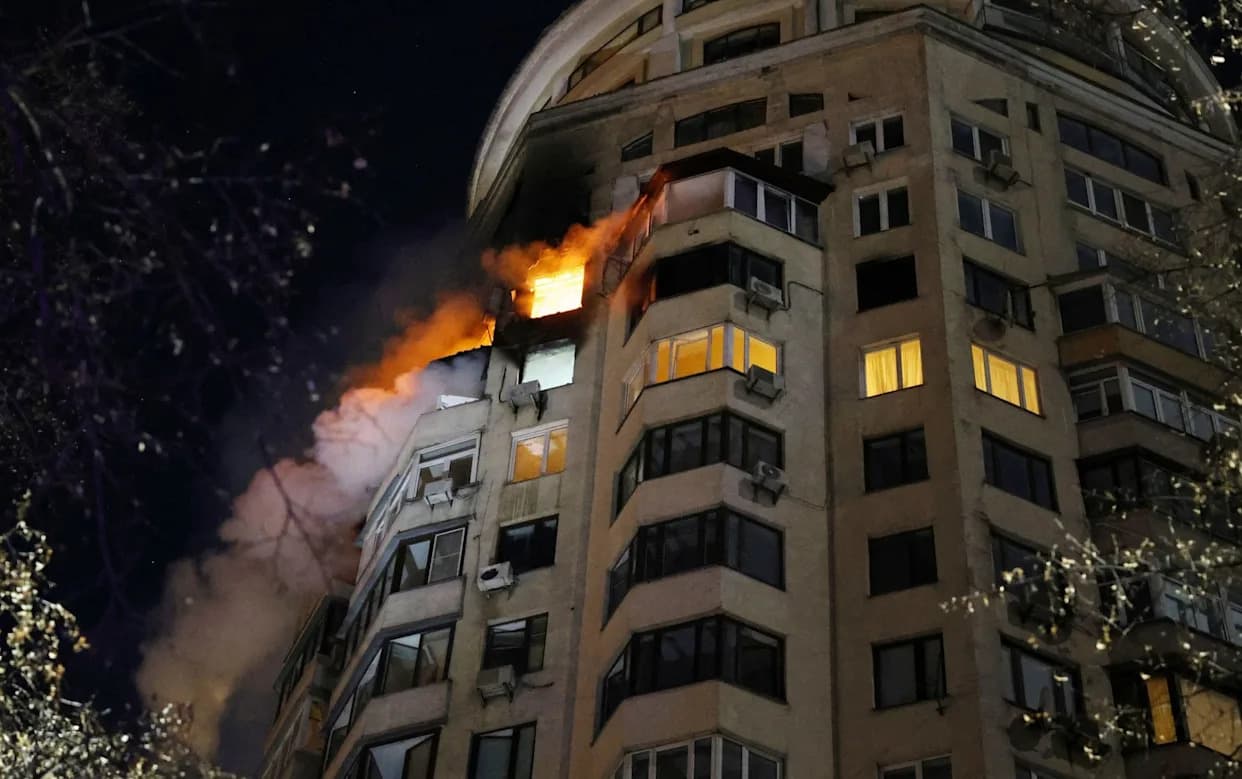
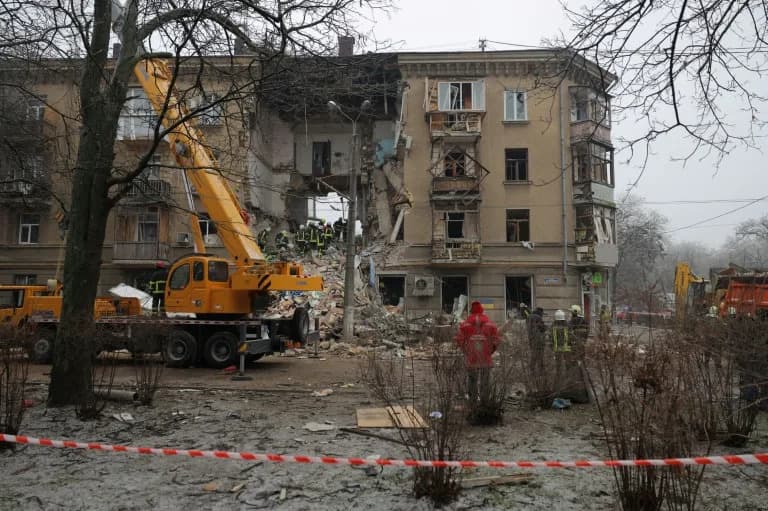
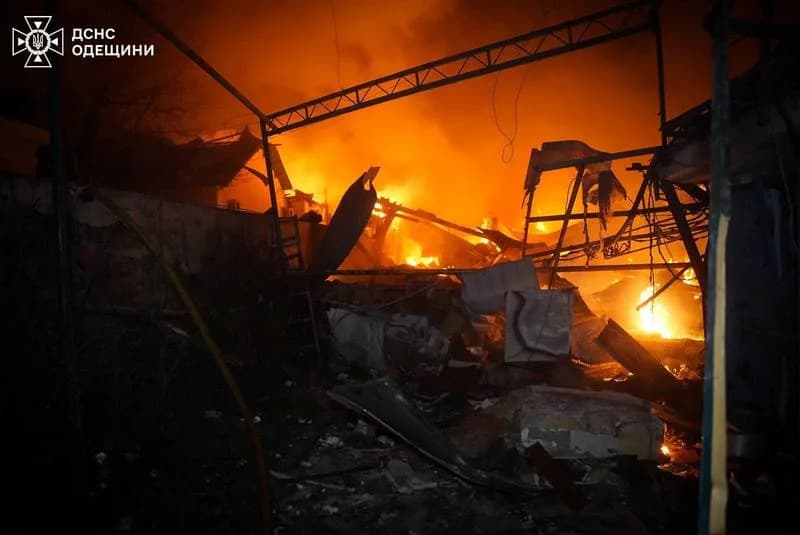
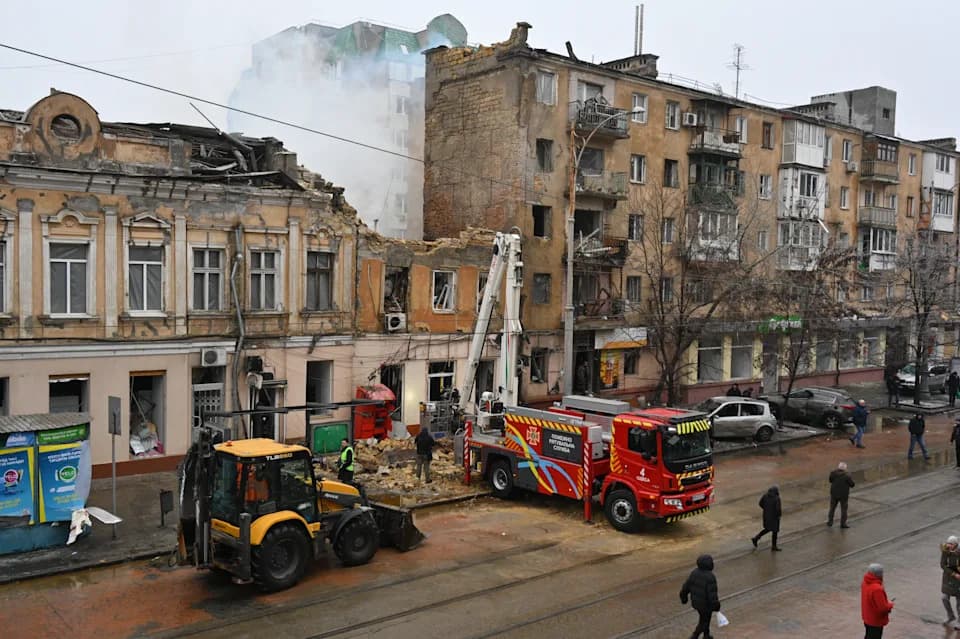
Russian forces launched a massive overnight assault on Ukraine using 653 drones and 51 missiles; Ukrainian defenses say they intercepted most of the attack but 29 sites were struck and at least eight people were wounded. The Zaporizhzhia nuclear plant briefly lost all off‑site power, raising serious safety concerns even though the reactors are offline. The strikes targeted energy infrastructure as U.S. and Ukrainian envoys — including Steve Witkoff and Jared Kushner — met in Florida and reported progress on a security framework, while stressing that any deal depends on Russia’s willingness to commit to lasting peace.
Russia Launches Massive Overnight Drone and Missile Assault on Ukraine as U.S.-Mediated Talks Continue

Russia Strikes Ukraine With Large-Scale Drone and Missile Barrage
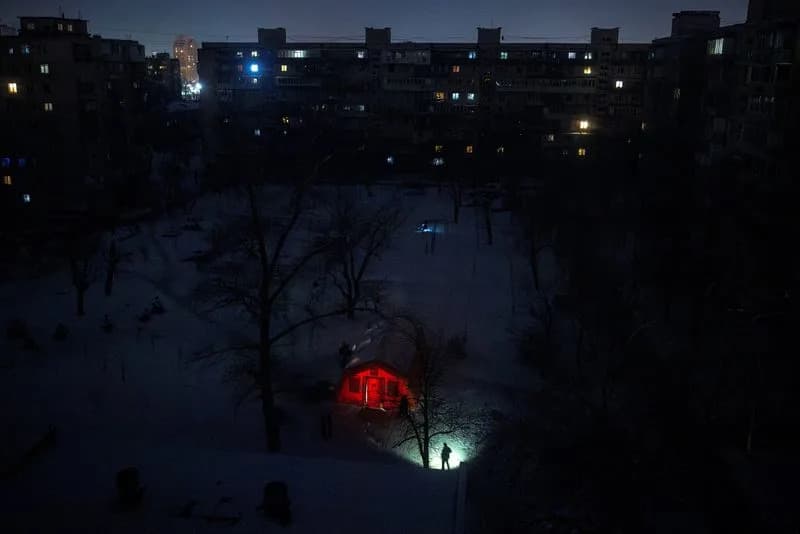
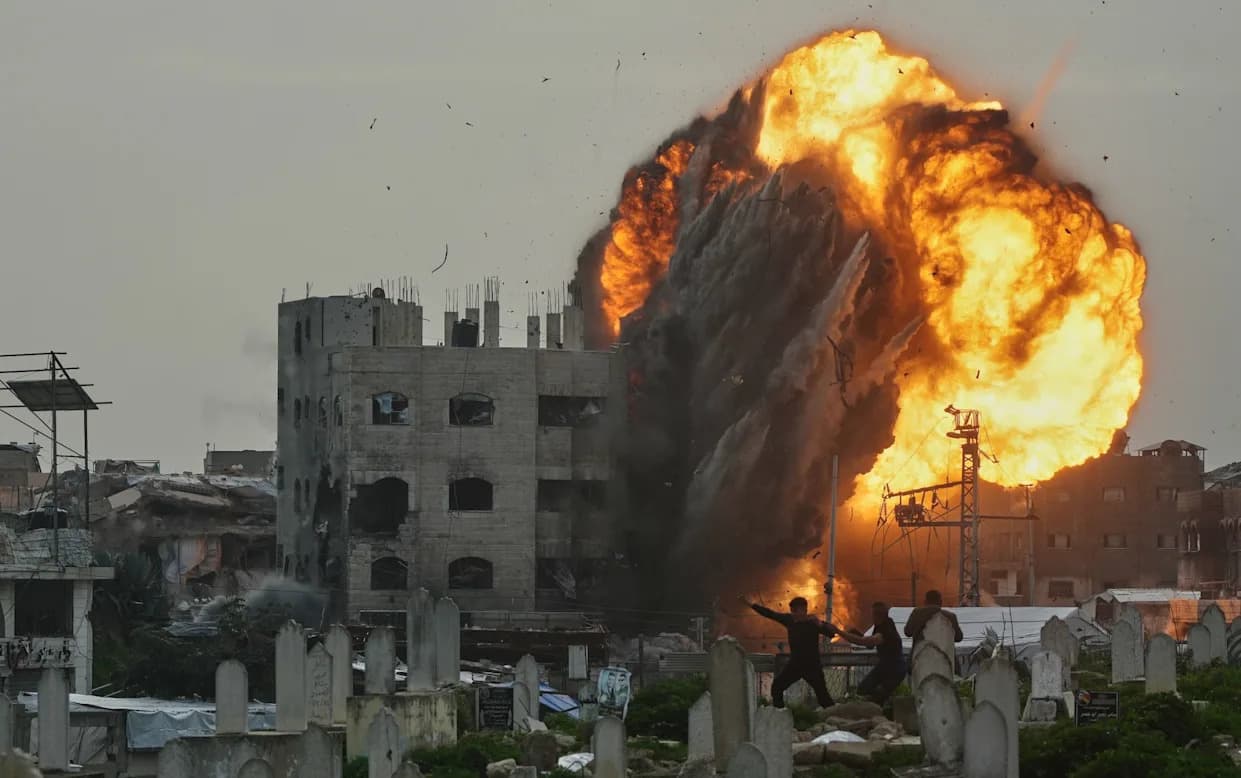
Russian forces launched a major missile-and-drone assault on Ukraine overnight into Saturday, sending waves of strikes across the country as U.S. and Ukrainian officials prepared for a third day of negotiations aimed at ending nearly four years of war.
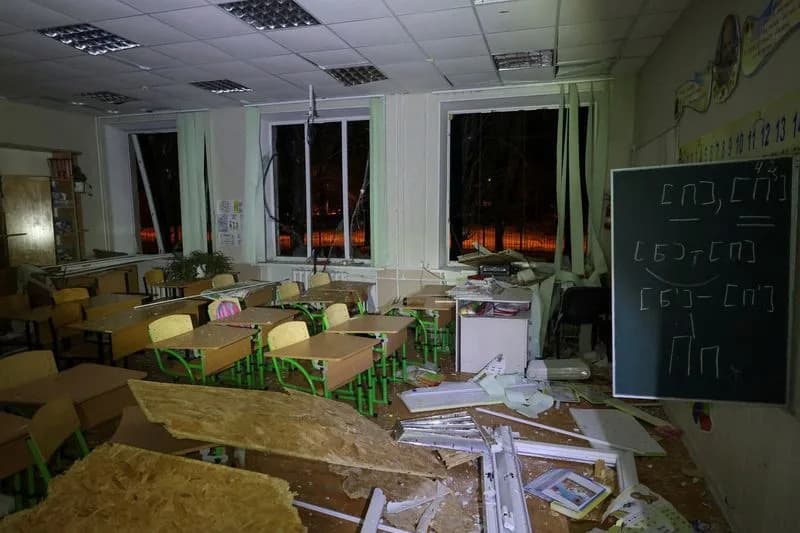
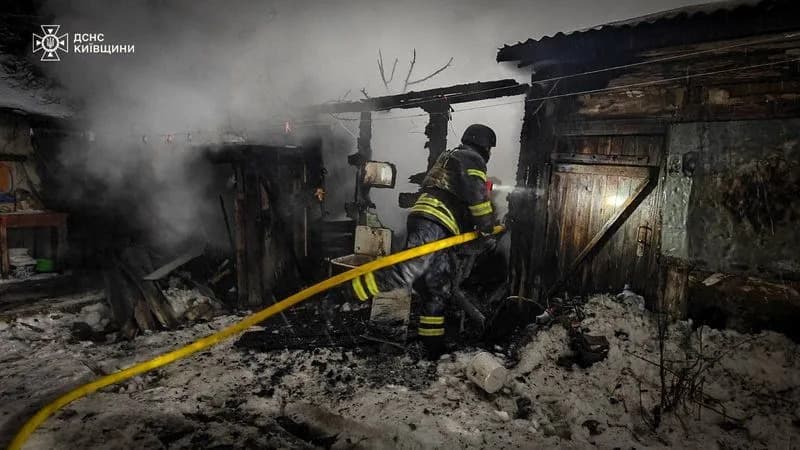
Scale of the attack: Ukrainian officials said the barrage involved 653 drones and 51 missiles, triggering air raid alerts nationwide and coinciding with Ukraine’s Armed Forces Day. Ukraine’s air force reported that its defenders intercepted or neutralized 585 drones and 30 missiles, though 29 locations were struck.
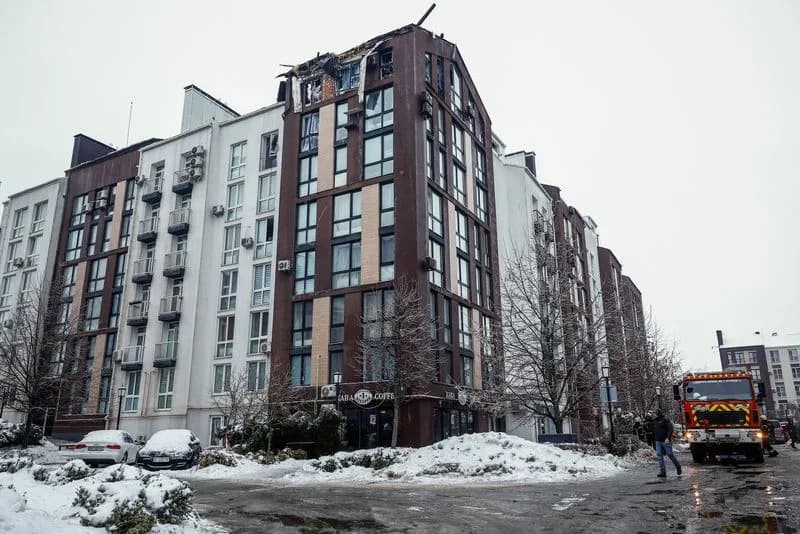
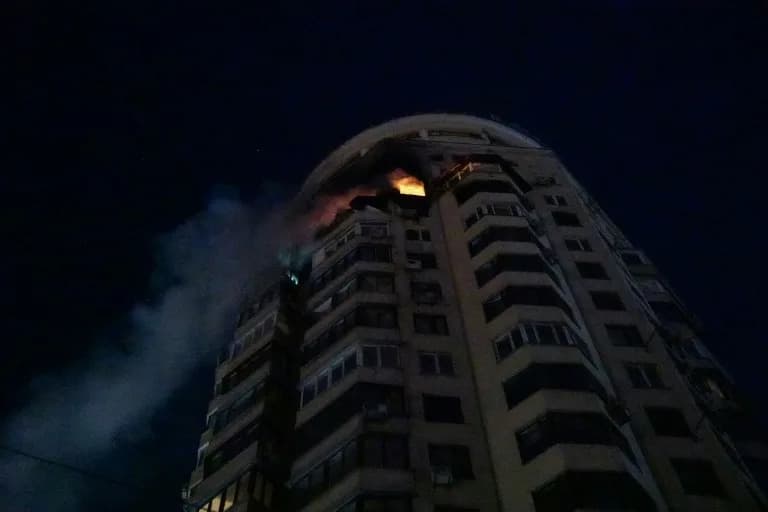
Civilian impact: Ukrainian Minister of Internal Affairs Ihor Klymenko said at least eight people were wounded, including at least three in the Kyiv region. Drone activity and sightings were reported as far west as Lviv.
Energy and Nuclear Safety Concerns
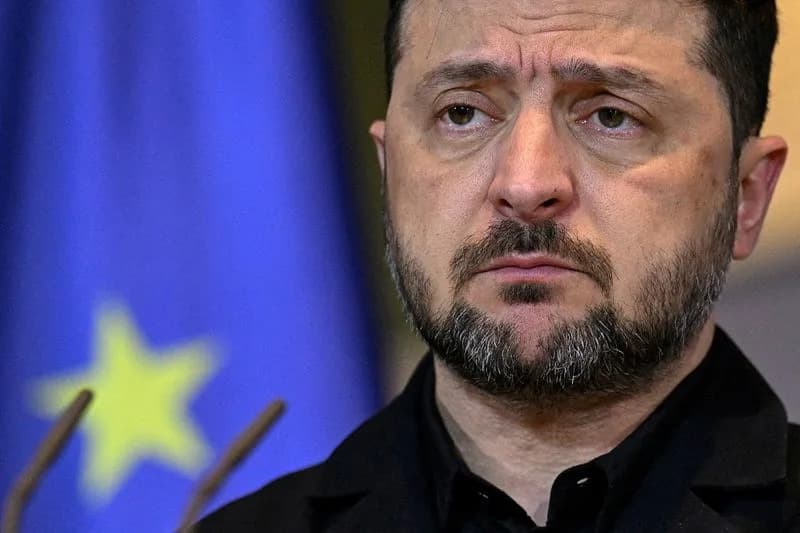
Ukraine’s national grid operator, Ukrenergo, said power stations and other elements of the energy system were primary targets in what it called a "massive missile-drone attack" affecting multiple regions. President Volodymyr Zelenskyy said energy facilities were priority targets and noted a drone strike that burned the Fastiv train station in the Kyiv region.
The International Atomic Energy Agency (IAEA) reported that the Zaporizhzhia nuclear power plant briefly lost all off‑site power overnight. The plant, which is under Russian control and not in operation, still requires reliable electricity to cool six shut-down reactors and stored fuel; any loss of power raises serious safety concerns, the IAEA said.
Claims And Counterclaims
Russia’s Defense Ministry said its air defenses shot down 116 Ukrainian drones over Russian territory during the same period. Russian Telegram channel Astra shared footage it said showed a fire at the Ryazan oil refinery; the Associated Press could not independently verify the video.
Ukraine’s General Staff later said its forces had struck the Ryazan refinery. Ryazan regional governor Pavel Malkov reported that a residential building was damaged and that drone debris fell on the grounds of an industrial site, but he did not explicitly confirm damage to the refinery.
Months of Ukrainian long-range strikes on Russian refineries seek to reduce Moscow’s oil export revenue used to fund the war. Kyiv and Western allies say Russia is trying to cripple Ukraine’s power grid and deny civilians heat, light and running water for a fourth winter — a tactic Ukrainian officials describe as "weaponizing" the cold.
Diplomatic Talks Continue
The attacks coincided with a U.S.-mediated diplomatic effort in Florida. U.S. special envoy Steve Witkoff, former President Donald Trump’s son-in-law Jared Kushner, and Ukrainian negotiators Rustem Umerov and Andriy Hnatov met for a second day and planned a third day of talks. Delegations said they had made progress toward a security framework for postwar Ukraine but cautioned that any "real progress toward any agreement" would ultimately depend on Russia’s willingness to demonstrate a serious commitment to long-term peace.
Note on verification: Some claims, including video of damage to the Ryazan refinery, have not been independently verified by international news agencies.
Sources: Ukrainian Air Force, Ukrenergo, IAEA, Ukrainian and Russian officials, Associated Press reporting.
Help us improve.