Summary: Lebanon and Israel have begun U.S.-backed direct talks in Naqoura to shore up the November 2024 cease-fire, reduce escalation and explore longer-term political and economic arrangements. Lebanon seeks deterrence, territorial withdrawals and reconstruction; Israel ties progress to Hezbollah disarmament and possible economic cooperation. Analysts say the talks may slow violence but are unlikely to change the underlying status quo without major concessions and external guarantees.
Lebanon–Israel Direct Talks: Can U.S.-Backed Negotiations Break the Fragile Status Quo?

Analysis: U.S.-Backed Direct Talks Between Lebanon and Israel
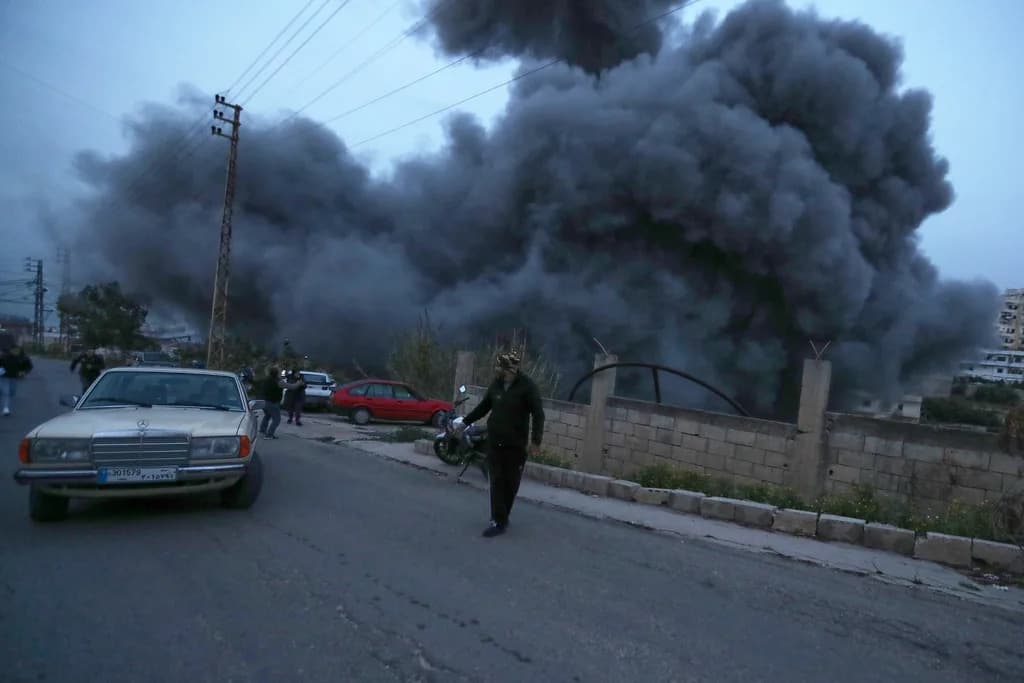
Negotiations between Lebanon and Israel took a notable turn this week when the two longtime adversaries agreed, with U.S. backing, to hold direct talks for the first time in decades. The discussions — held at the U.N. peacekeeping headquarters in Naqoura — are explicitly aimed at containing escalation, reinforcing the November 2024 cease-fire and exploring longer-term arrangements that might lead to normalized relations.
What the Talks Aim To Achieve
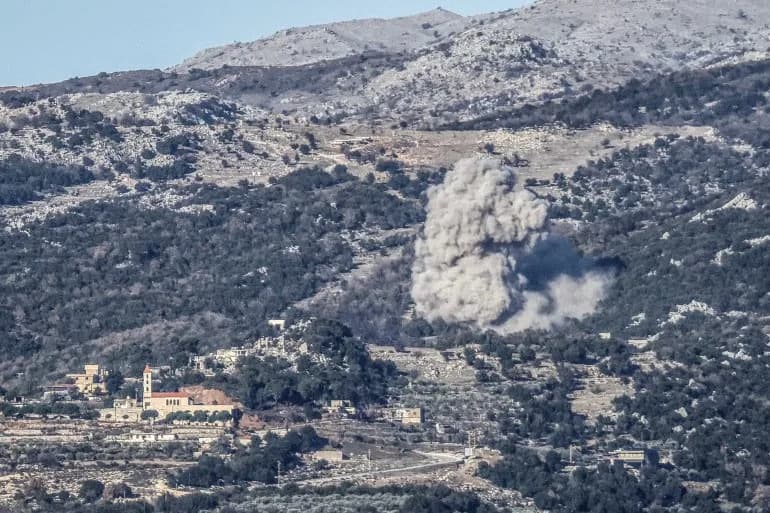
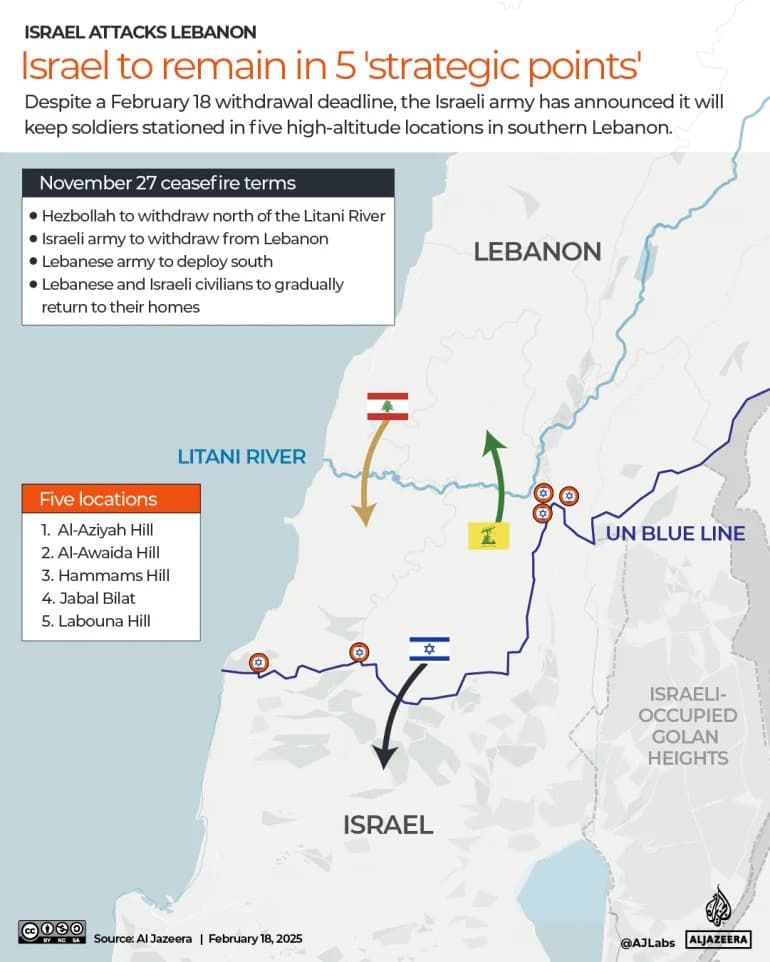
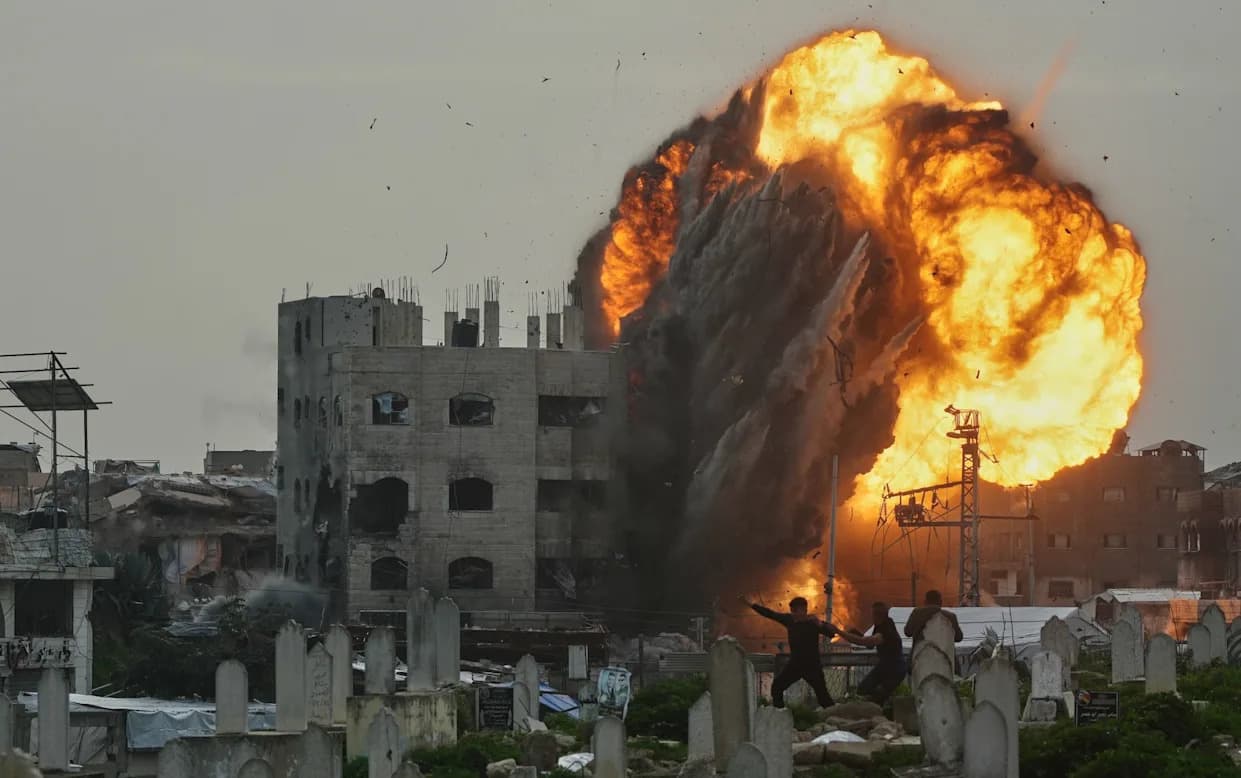
Lebanese officials say the immediate goals are to halt Israeli strikes on Lebanese territory, secure the return of prisoners, arrange withdrawals from positions Israel still occupies in southern Lebanon, and resolve disputed sections of the roughly 75-mile Blue Line that the U.N. delineated in 2000. Israeli leaders, meanwhile, have signaled that security discussions will likely be paired with economic proposals that could pave the way toward normalization.
Who Is At The Table
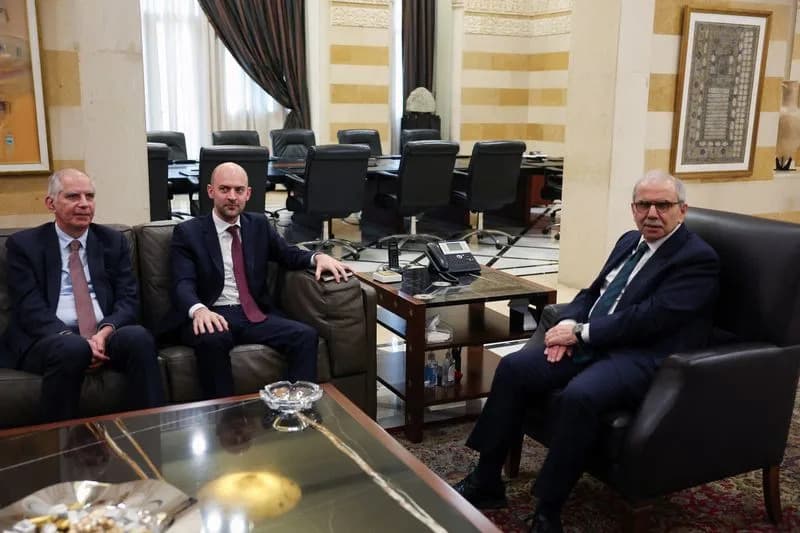
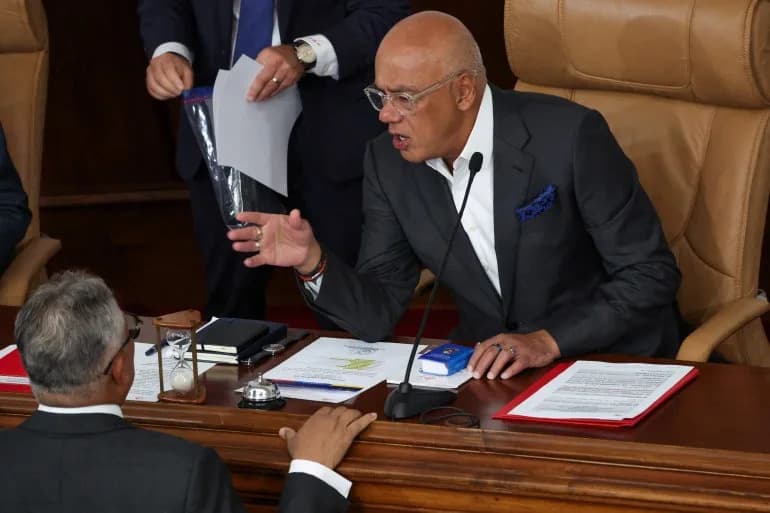
Lebanon appointed former ambassador to Washington Simon Karam to lead its military delegation for truce-monitoring talks, a move that signals Beirut's intent to pursue a civilian-led diplomatic track. Israel sent Uri Resnick, deputy director for foreign policy at its National Security Council, to the Naqoura meeting. Lebanese sources also reported participation by a U.S. envoy.
We are committed to this option,
said President Michel Aoun to visiting U.N. Security Council members and U.S. officials, framing the talks as Lebanon's chosen path to avoid renewed large-scale conflict.
Main Obstacles
Analysts and officials identify several hardline sticking points. Lebanon demands withdrawal from five strategic positions that Israel continues to hold in the south, the safe return and reconstruction of displaced border communities, and guarantees that the Lebanese Army will be able to secure the south. Israel insists on Hezbollah's full disarmament and links progress to security guarantees and economic cooperation. Lebanese leaders argue their army has already reduced Hezbollah's military footprint along the border and south of the Litani River, but Israel seeks a nationwide disarmament of the Iran-backed group or reserves the right to act itself.
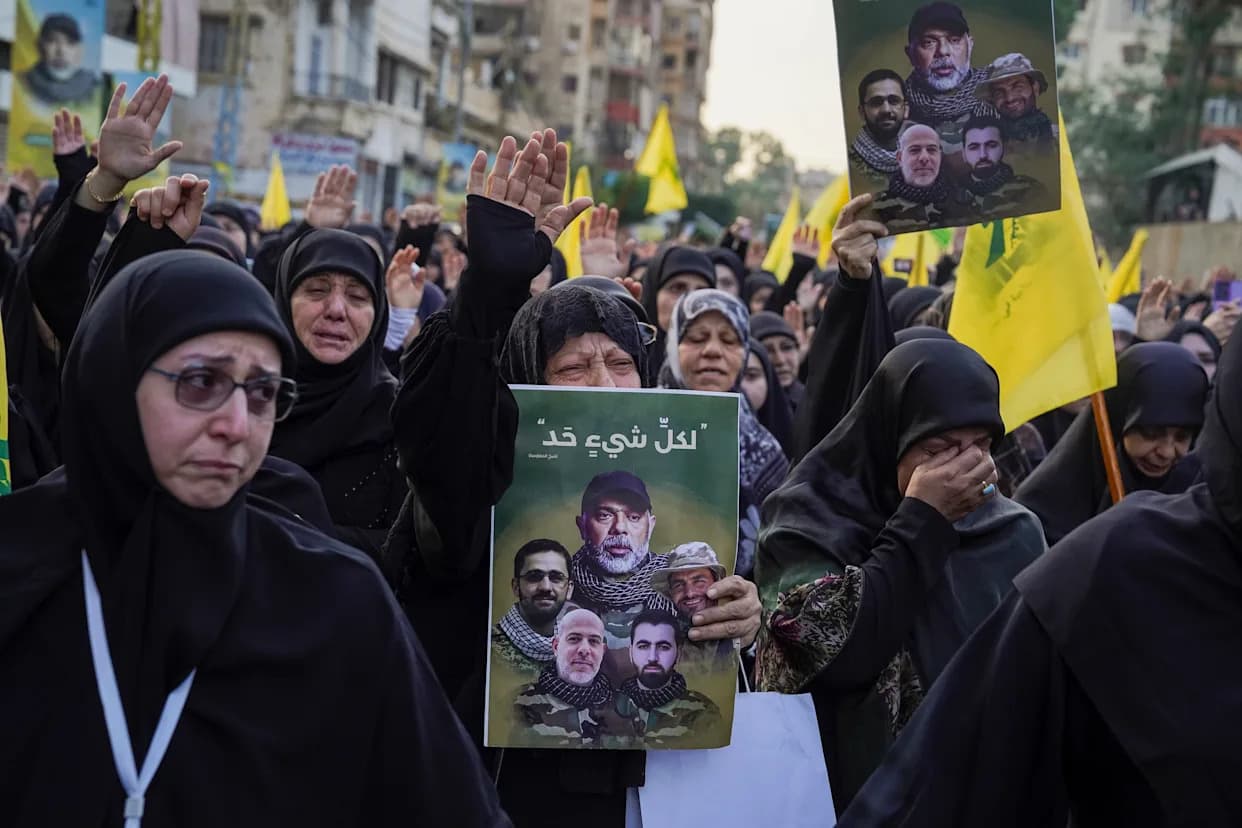
Hezbollah complicates the picture: the organization says it has reorganized and secured new channels for rearming and financing. Its deputy leader, Sheikh Naim Qassem, publicly rejected disarmament and criticized direct talks as an insufficient concession that will not alter Israel's "stance, aggression or occupation."
Analysts' Take
Regional analysts describe the talks as a pragmatic effort to buy time and contain violence rather than an immediate path to a comprehensive peace. Sami Nader of the Levant Institute for Strategic Affairs says the talks have created momentum that has slowed escalation, but the threat of a wider war remains. Some Israeli statements indicate an economic agenda is part of the discussions, including revisiting the 2022 U.S.-mediated maritime gas agreement and exploring proposals for a southern economic zone with infrastructure and investment — an idea previously floated by U.S. political figures.
Former Lebanese ambassador Riad Tabbarah told reporters that U.S. engagement appears focused on crisis management while Washington and Jerusalem work toward a broader approach. He warned that Israeli domestic politics and regional ambitions factor heavily into whether these talks can deliver substantive change.
Outlook
Given divergent objectives — Lebanon seeking deterrence and restoration of territory, Israel prioritizing security guarantees and potential economic normalization — most observers expect the near-term status quo to hold: restrained but asymmetric Israeli operations coupled with Hezbollah's continued deterrent posture. Significant shifts would likely require major concessions, external guarantees, and concrete implementation steps that neither side has yet agreed to.
Bottom line: The Naqoura talks represent a meaningful diplomatic opening that can reduce immediate risks, but without substantial concessions from Israel or a decisive change in Hezbollah's posture, analysts say the underlying balance on the ground is unlikely to change quickly.
Help us improve.