The SAFE Chips Act, introduced by Sens. Pete Ricketts and Chris Coons, would codify current U.S. limits on exports of advanced AI chips to China and other designated adversaries, freezing policy for 30 months. The bill directs the Commerce Department to deny licenses for processors that exceed the performance of chips already permitted and requires a congressional briefing before any changes. It follows the stalled GAIN AI effort, which proposed prioritizing U.S. companies for chip access and faced opposition from the White House and industry, including Nvidia.
Bipartisan SAFE Chips Act Would Freeze AI Chip Exports To China For 30 Months
Bipartisan Senators Introduce SAFE Chips Act To Lock In AI Chip Export Controls
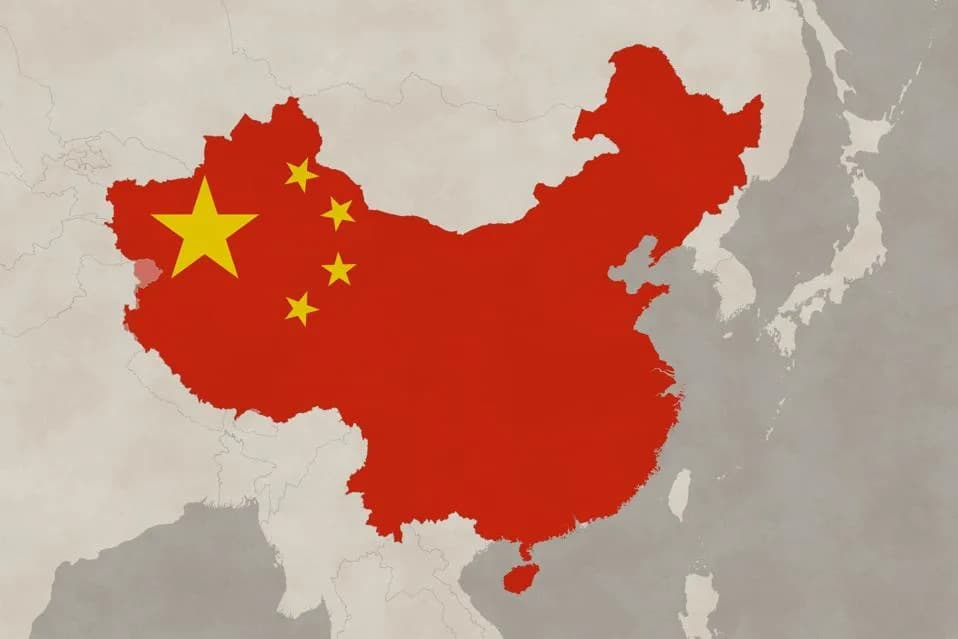
A bipartisan group of U.S. senators on Thursday introduced the Secure and Feasible Exports (SAFE) Chips Act, legislation designed to codify current limits on exports of advanced artificial intelligence (AI) chips to China and other designated foreign adversaries. The bill would direct the U.S. Commerce Secretary to deny export licenses for any processors that exceed the performance of chips already permitted for sale abroad, effectively freezing current restrictions for 30 months.
What The Bill Would Do
Sponsored by Sen. Pete Ricketts (R-Neb.) and Sen. Chris Coons (D-Del.), the SAFE Chips Act would prevent the administration from authorizing more capable AI accelerators to reach adversary markets for a minimum of 30 months (two and a half years). The legislation also requires the Commerce Department to brief Congress before proposing any changes to those controls, and it allows an administrative review after the 30-month period.
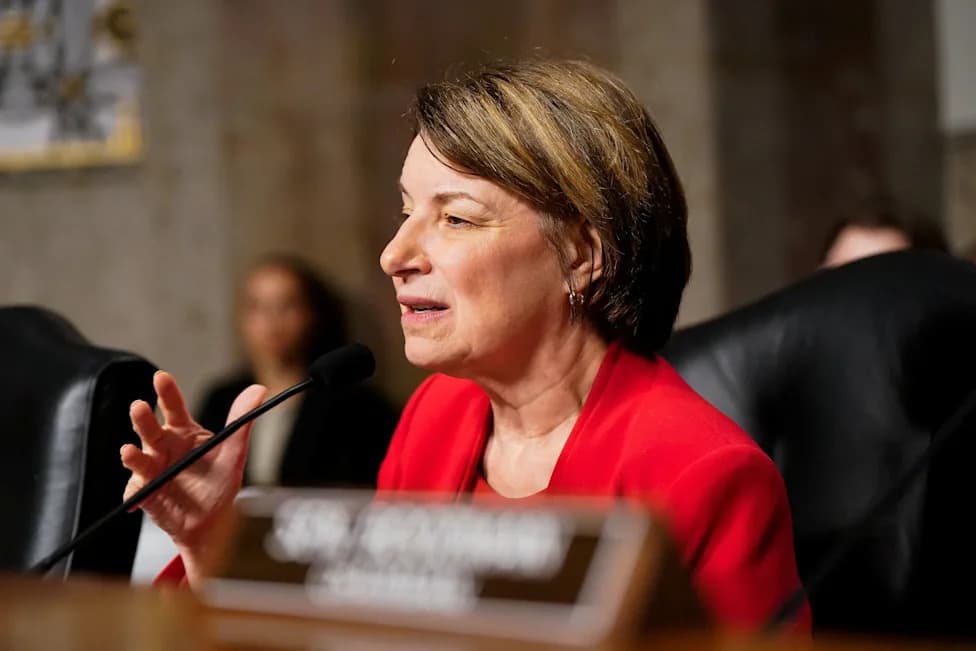
"Denying Beijing access to these AI chips is essential to our national security," Sen. Ricketts said, arguing the United States' lead in AI stems in large part from its dominance in global compute power. "As China races to close our lead in AI, we cannot give them the technological keys to our future," Sen. Coons added.
Context And Related Legislation
The SAFE Chips Act arrives as Congress considers other measures aimed at limiting adversaries' access to advanced semiconductors. A separate bill, the Guaranteeing Access and Innovation for National Artificial Intelligence (GAIN AI) Act, would have required chipmakers to give U.S. companies priority access to certain processors before sales to China and other adversaries. The GAIN AI provisions cleared the Senate as part of last year’s National Defense Authorization Act (NDAA) but now appear unlikely to remain in the final defense package after reported opposition from the White House and industry stakeholders.
Industry Reaction
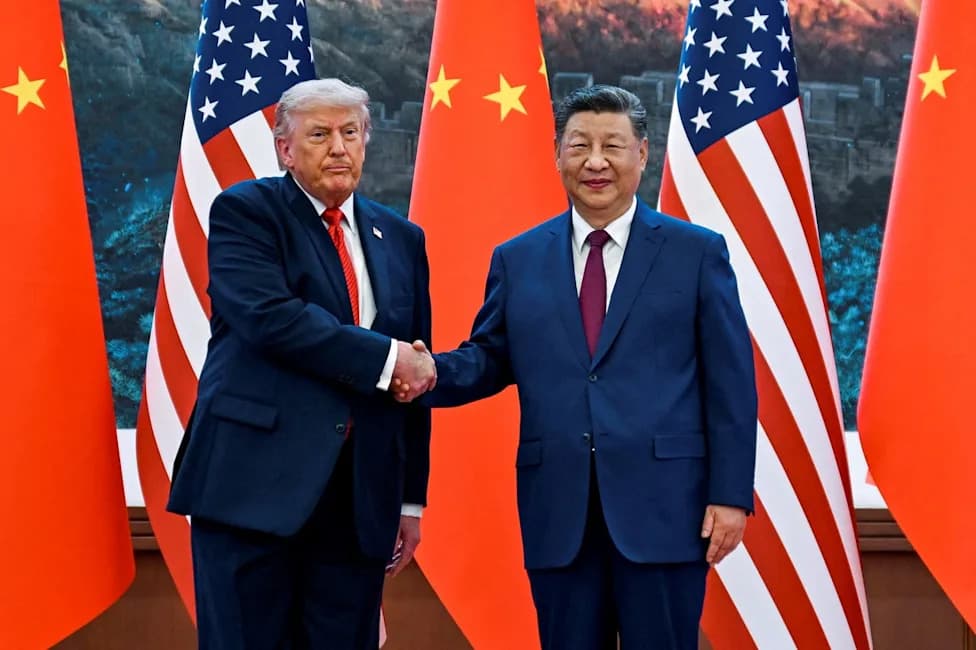
Nvidia, a leading supplier of AI accelerators central to this debate, opposed the GAIN AI approach. The company argued the proposal would be "trying to solve a problem that does not exist" and could "restrict competition worldwide" across sectors that rely on advanced chips. Nvidia CEO Jensen Huang said it was "wise" that Congress seemed poised to remove the GAIN AI language from the must-pass defense bill. Huang also met with lawmakers on Capitol Hill and discussed export controls with President Trump during his visit.
Implications
If enacted, the SAFE Chips Act would cement current U.S. export policy on advanced AI processors for at least 30 months, increase congressional oversight of any future changes, and signal continued bipartisan concern about tech transfers that could bolster strategic competitors. The bill highlights the growing intersection of national security, industrial policy, and the global AI competition.
Help us improve.