The Vatican's Study Commission on the Female Diaconate, created by Pope Francis in 2020, has voted not to admit women to the ordained diaconate after reviewing historical and contemporary material. The report cited limited and geographically narrow consultation responses and revealed split votes on several theological theses, including a 5–5 tie on the link between Christ’s masculinity and sacramental identity. While rejecting a female diaconate, the commission strongly encouraged expanding other ministries and giving greater ecclesial recognition to women’s service.
Vatican Panel Rejects Ordaining Women As Deacons, Urges Greater Recognition Of Women's Ministries

Vatican Commission Votes Against Ordaining Women As Deacons
A commission established by Pope Francis in 2020 to study the question of women serving as deacons has voted against admitting women to the Catholic diaconate. The Study Commission on the Female Diaconate reviewed historical and contemporary evidence but concluded that it could not recommend opening the ordained diaconate to women. At the same time, the commission encouraged expanding other ministries and giving greater ecclesial recognition to women’s service.
Who Served On The Commission
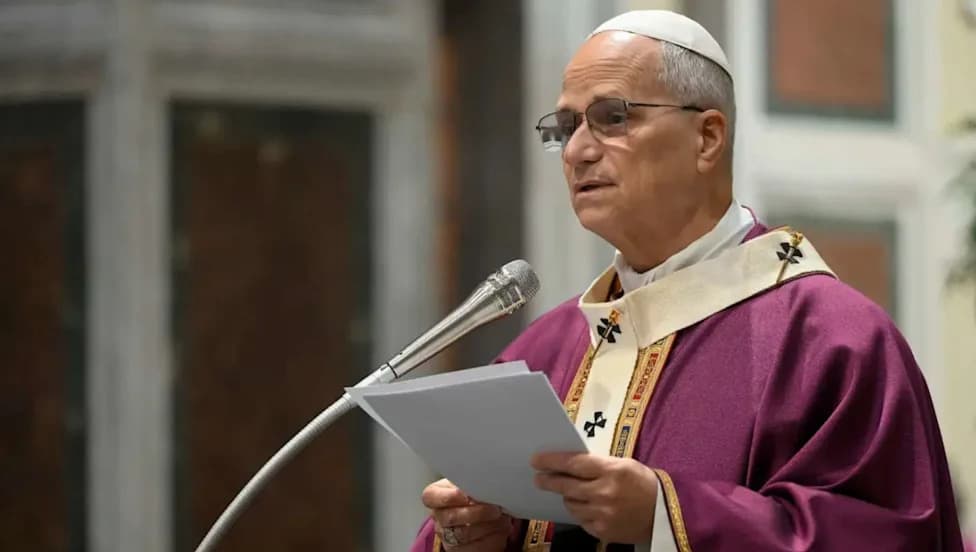
The commission was chaired by Cardinal Giuseppe Petrocchi of L'Aquila, Italy, with the Rev. Denis Dupont-Fauville as secretary, and included ten additional members—five women and five men. The published report did not list all members, but The Catholic Standard identified several participants, including U.S. permanent deacons Dominic Cerrato and James Keating and priests and scholars from Europe. The five women reported to have served included Catherine Brown Tkacz, Caroline Farey, Barbara Hallensleben, Rosalba Manes and Anne-Marie Pelletier.
Key Findings And Vote Totals
Published in a report dated Sept. 18 and released publicly at the request of Pope Francis, the commission presented eight theses and disclosed vote totals for each point (without naming individual votes). One notable outcome was an even split, 5–5, on a thesis linking the masculinity of Christ to the sacramental identity of those who receive Holy Orders. By contrast, a preamble urging pastors to discern and introduce additional ministries—especially to recognize the diakonia (service) of baptized people, particularly women—passed 9–1.
"Although many interventions were submitted, the persons or groups who sent their writings numbered only 22 and represented few countries," the report said, noting that the limited and geographically narrow consultation responses made it difficult to claim these views represented the Synod or the People of God as a whole.
Theological Divide
Cardinal Petrocchi’s conclusion described a clear theological tension within the group. One line of reasoning argued that the diaconate is a ministry distinct from priestly ordination, a view that could open the way to ordaining women as permanent deacons. The opposing view emphasized the unity of the sacrament of Holy Orders and its "nuptial meaning" across the three degrees (deacon, priest, bishop), arguing that admitting women to the first degree while excluding them from the others would be incoherent.
The report also noted—without taking a position—that permanent deacons in the Catholic Church may be married, while those preparing for priesthood generally are not, a pastoral difference the commission did not fully address.
Background And Context
The question resurfaced after 2019 proposals from cardinals in the Amazon region highlighting priest shortages and suggesting options such as women deacons and married priests. Pope Francis responded by appointing the study commission in 2020 to examine historical evidence and contemporary pastoral needs, and he said he wanted women’s voices to be heard in the conversation.
What Comes Next
Although the commission did not recommend ordaining women as deacons, its strong endorsement of expanded ministries and ecclesial recognition for women could influence future pastoral decisions and local experiments in ministry. The report highlights ongoing theological debate within the Church and signals that discussion about women’s roles—pastoral, ministerial and theological—will continue.
Help us improve.