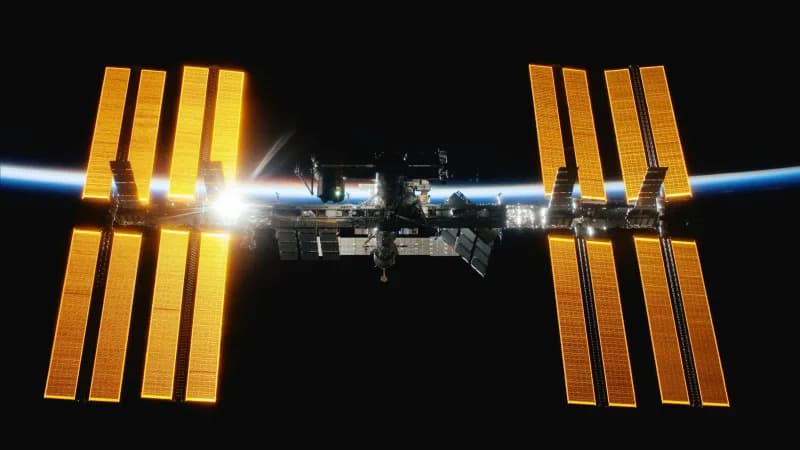
The Baikonur Cosmodrome’s launch pad was heavily damaged during a flawed Soyuz MS-28 liftoff on November 27, although the three-person crew reached the ISS safely. Drone footage shows the pad’s service cabin overturned in the flame trench, and experts warn repairs could take months or years. NASA and Roscosmos are inspecting the site; a Progress cargo flight has been delayed and future crew rotations may be affected.
Baikonur Launch Pad Severely Damaged in Botched Soyuz Liftoff; Crew Reaches ISS Safely

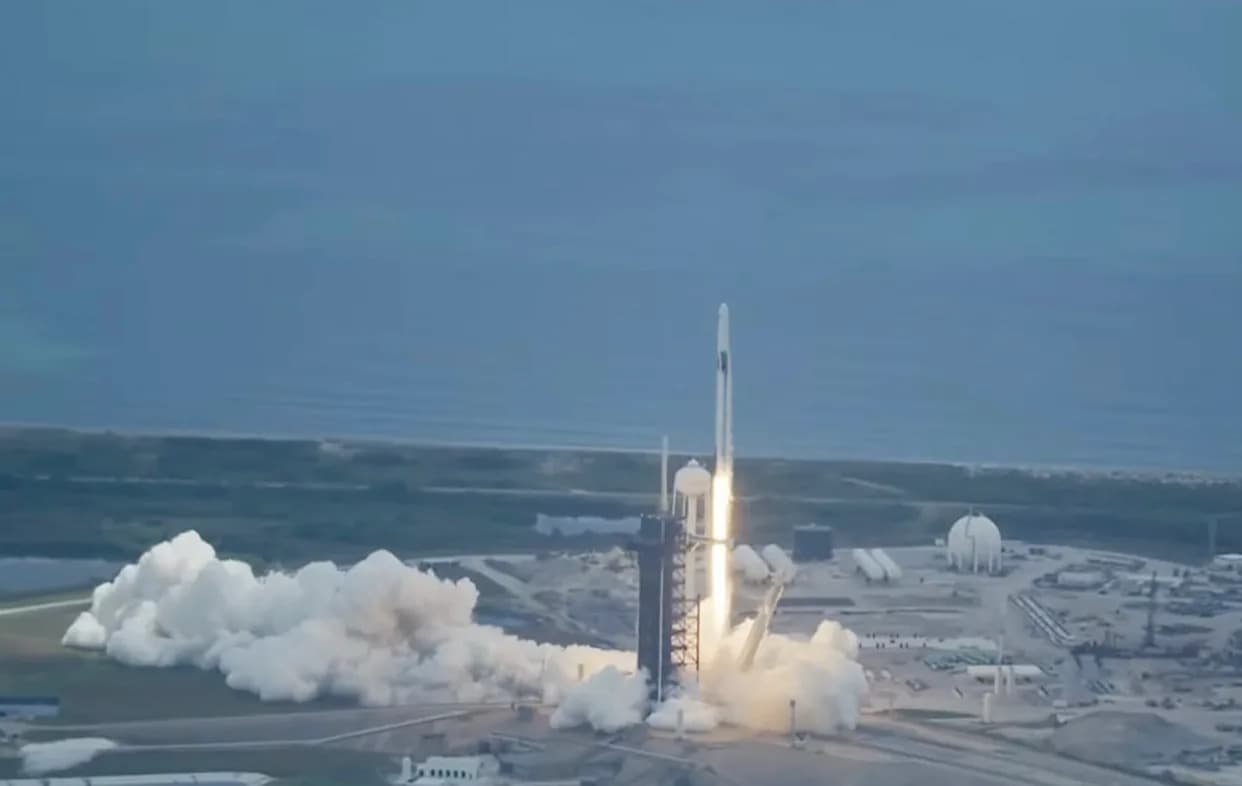
Russia’s Baikonur Cosmodrome suffered major damage during a malfunctioning Soyuz MS-28 liftoff on November 27, but the three-person crew reached the International Space Station safely.
Drone footage shows the pad’s mobile service cabin overturned in the flame trench. Engineers and independent analysts warn that rebuilding or fully repairing the damaged launch complex could take months or even years, depending on the extent of structural and systems damage.
Who was on board
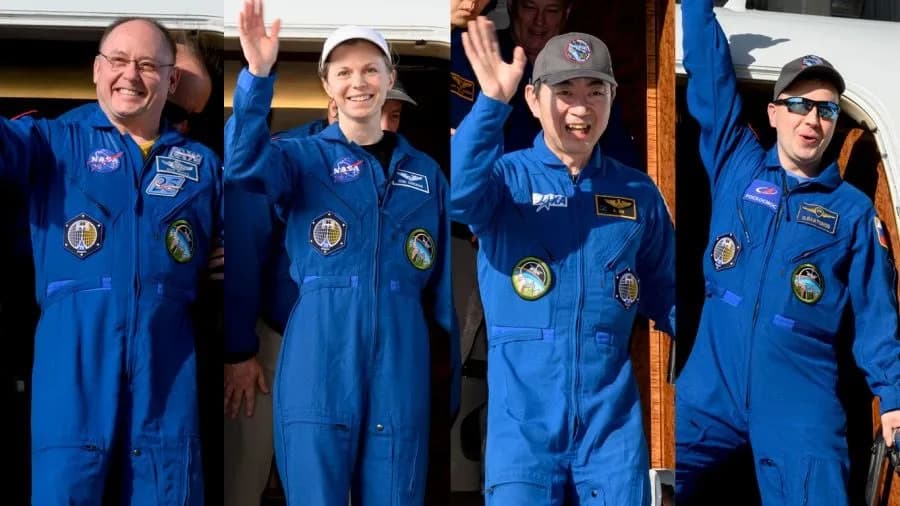
The Soyuz MS-28 crew—cosmonauts Sergey Kud-Sverchkov and Sergey Mikayev, and NASA astronaut Christopher Williams—arrived at the ISS without injury following the abnormal launch.
Agency responses and inspections
NASA confirmed it is aware of the incident and is coordinating with international partners as inspections proceed. Roscosmos reported damage to multiple launchpad elements and said reserve components are available to restore the site, adding that repair work will begin promptly.
Roscosmos (paraphrased): "Damage to a number of launchpad elements occurred; reserve components exist and the damage will be addressed."
Operational impacts and context
The affected complex is currently Russia’s only certified launch site for crewed Soyuz missions. That makes the damage a significant operational setback and raises immediate questions about how upcoming crew rotations and cargo deliveries to the ISS will be managed.
A Progress cargo mission already scheduled for December 21 has been postponed to sometime next year. The next crewed Soyuz flight is currently slated for July 2026, but those plans may change as assessments continue.
With the United States and other partners relying on both Russian Soyuz vehicles and commercial systems such as SpaceX’s Crew Dragon to access the station, the incident highlights the fragility of current crew-transport logistics and the importance of international coordination.
Observers note that Russia’s long-term commitment to the ISS has been uneven amid geopolitical tensions. In late 2024, former Roscosmos head Yuri Borisov stated Russia would support station operations at least through 2028, contrasting with earlier, more uncertain remarks from a former leader. Industry officials such as Jeff Manbert of Voyager Technologies have said the key question is how determined Russian leadership will be to repair the pad and sustain its ISS role.
What comes next
Investigations and inspections are ongoing. Repair timelines will depend on detailed damage assessments, availability of replacement parts, funding and logistics. In the near term, partners will coordinate contingency plans to maintain ISS operations and crew safety.
Help us improve.