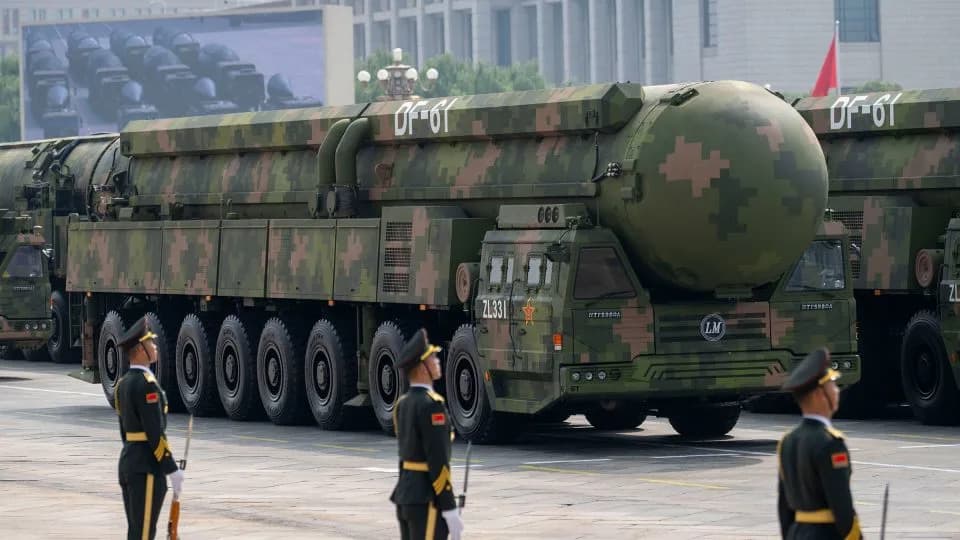
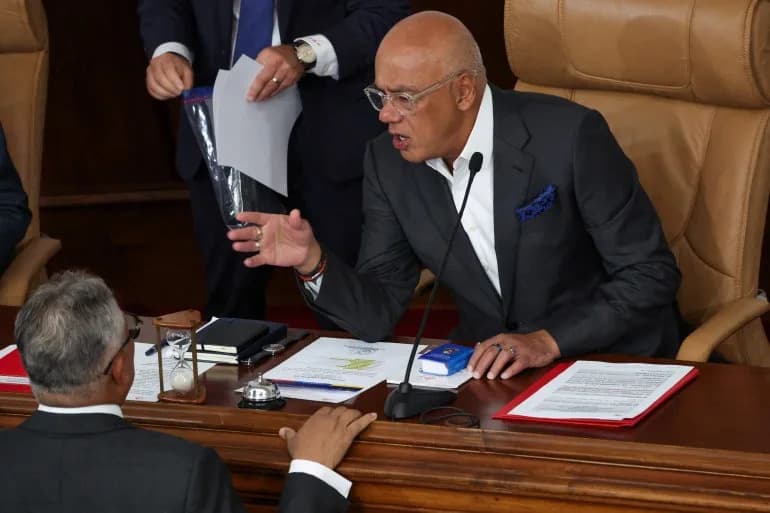
Nato is debating a shift toward more proactive measures in response to what alliance leaders describe as an intensifying hybrid campaign from Russia, a senior military official said. Admiral Giuseppe Cavo Dragone, chair of Nato’s military committee, told the Financial Times that the alliance is "thinking about" being "more aggressive or proactive instead of reactive." He added that a limited "pre-emptive strike" could, in some circumstances, be argued as a form of "defensive action," though he acknowledged this would depart from Nato's usual posture.
Moscow condemned the remarks as "extremely irresponsible." A Russian foreign ministry spokesperson said the comments risked escalating tensions and could undermine ongoing diplomatic efforts.
Diplomacy Intensifies as Talks Continue
The comments come amid a surge of diplomatic activity described by some officials as a potentially pivotal week for negotiations to end the war. In Florida, Ukraine’s lead negotiator, Rustem Umerov, held talks with US envoys, including Steve Witkoff and other representatives. Both Kyiv and US participants called those meetings "productive," but they left unresolved the most contentious topics: security guarantees, territorial arrangements and election timetables.
Mr Witkoff then travelled to Moscow to meet senior Russian officials and hear their response to the proposals discussed in Florida. Meanwhile, President Volodymyr Zelensky met French President Emmanuel Macron in Paris and joined calls with European leaders to coordinate next steps.
Key Developments and Context
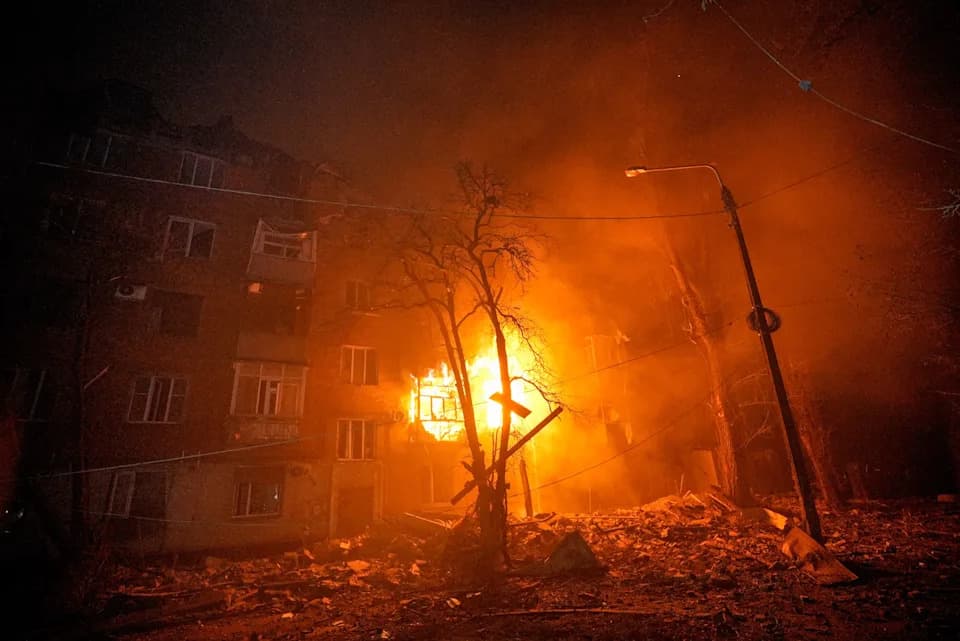
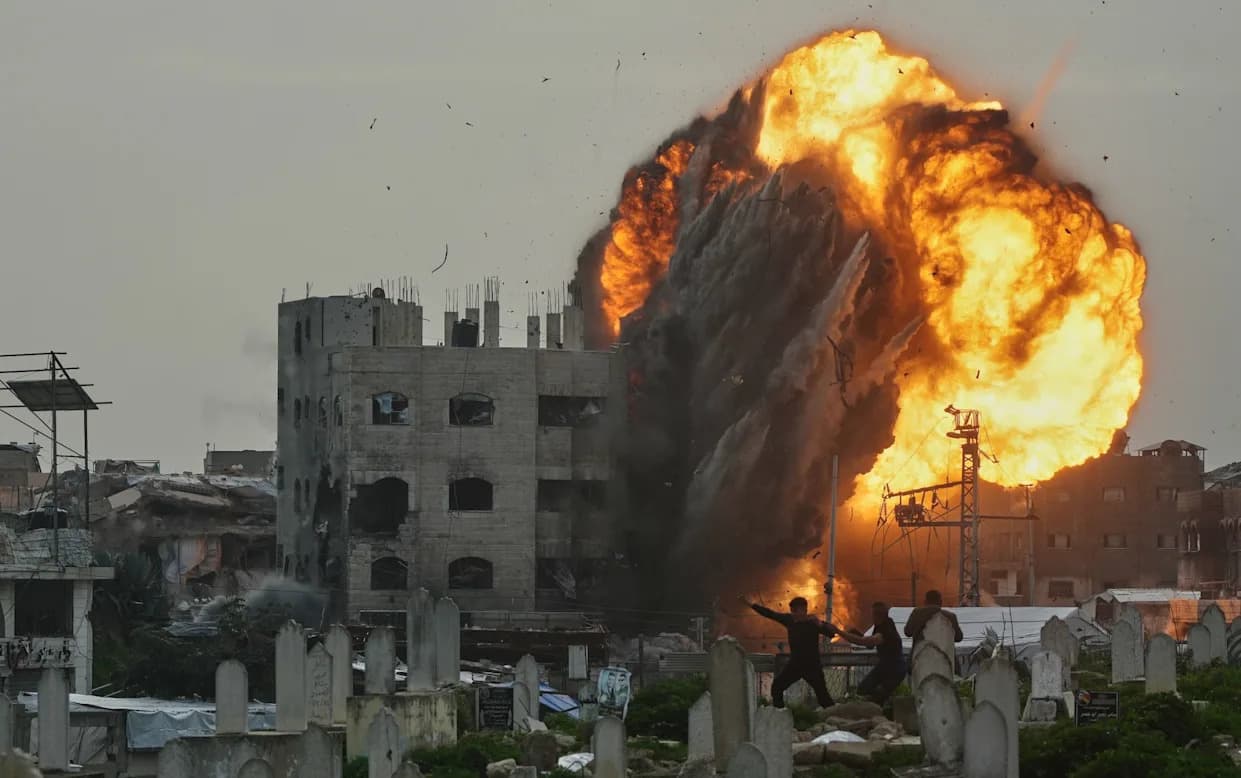
- A recent strike on the central Ukrainian city of Dnipro killed four people and wounded dozens, according to regional authorities. Dnipro, a major industrial and defence hub, suffered damage to civilian infrastructure.
- Independent analysis of battlefield movements shows Russia made its largest monthly advance in a year in November, seizing about 701 sq km (270 sq miles). By the end of that month, analysts assessed that Russian forces controlled, fully or partially, roughly 19.3% of Ukrainian territory.
- The negotiations in Kyiv have been complicated by domestic political turbulence. Andriy Yermak, the previous head of Ukraine’s delegation, resigned after his home was raided in an anti-corruption investigation tied to an alleged £76 million embezzlement scheme. His successor, Rustem Umerov, who led the delegation in Florida, has reportedly been questioned by Ukraine’s anti-corruption authorities as part of the same probe.
- European capitals have expressed concern about being sidelined from some proposals. Officials warned that a deal struck primarily between Washington and Moscow, without sufficient input from Kyiv and its European partners, could pressure Ukraine into concessions that would damage its long-term sovereignty.
- Several European governments have taken parallel measures: Poland withdrew a planned meeting with Hungary’s leader after his visit to Moscow; the Netherlands announced an additional €250 million contribution toward European purchases of US-made equipment for Ukraine; and other allies are pressing for tougher economic measures and better coordination on sanctions and frozen assets.
Outlook
All parties say further talks are planned and that important issues remain unresolved. Diplomats warn against rushing a settlement that would leave Ukraine vulnerable, stressing that any durable peace must safeguard Ukrainian sovereignty and security. Nato’s internal debate about more proactive military options underscores how fraught and uncertain the coming weeks may be.