The president of the International Criminal Court told delegates the institution will not yield to pressure from the United States or Russia, despite sanctions and arrest warrants affecting staff. U.S. measures have targeted nine ICC personnel, including six judges and Prosecutor Karim Khan, while Russia has issued counter-warrants after an arrest warrant for President Vladimir Putin. The court faces operational strain as it pursues high-profile cases — including warrants for Israeli leaders over the Gaza offensive — and as Khan temporarily steps aside amid an ongoing inquiry.
ICC President Vows Not to Yield to U.S. or Russian Pressure Amid Sanctions and Warrants

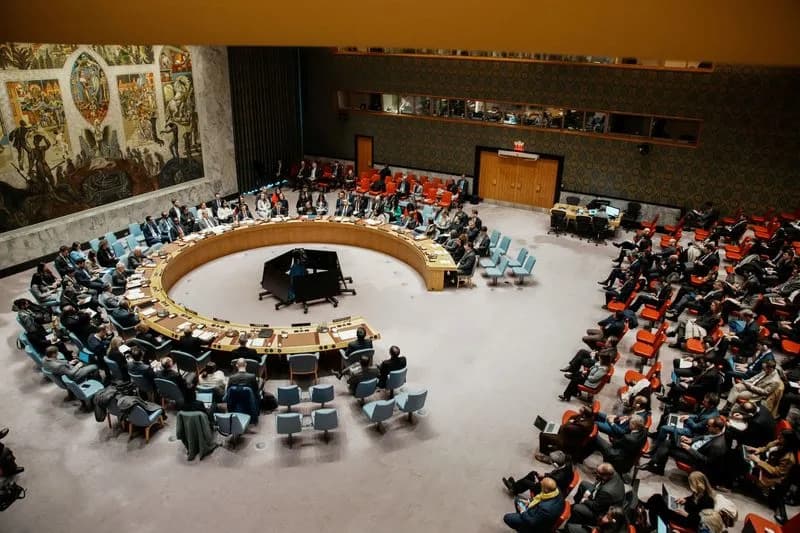
The president of the International Criminal Court told delegates at the court’s annual meeting that the institution will not bow to pressure from the United States or Russia, despite sanctions and arrest warrants affecting staff.
Judge Tomoko Akane, addressing representatives from the ICC’s 125 member states, said the court remains committed to its mandate. “We never accept any kind of pressure,” she said, stressing the court’s independence and the importance of continuing investigations and prosecutions despite external interference.
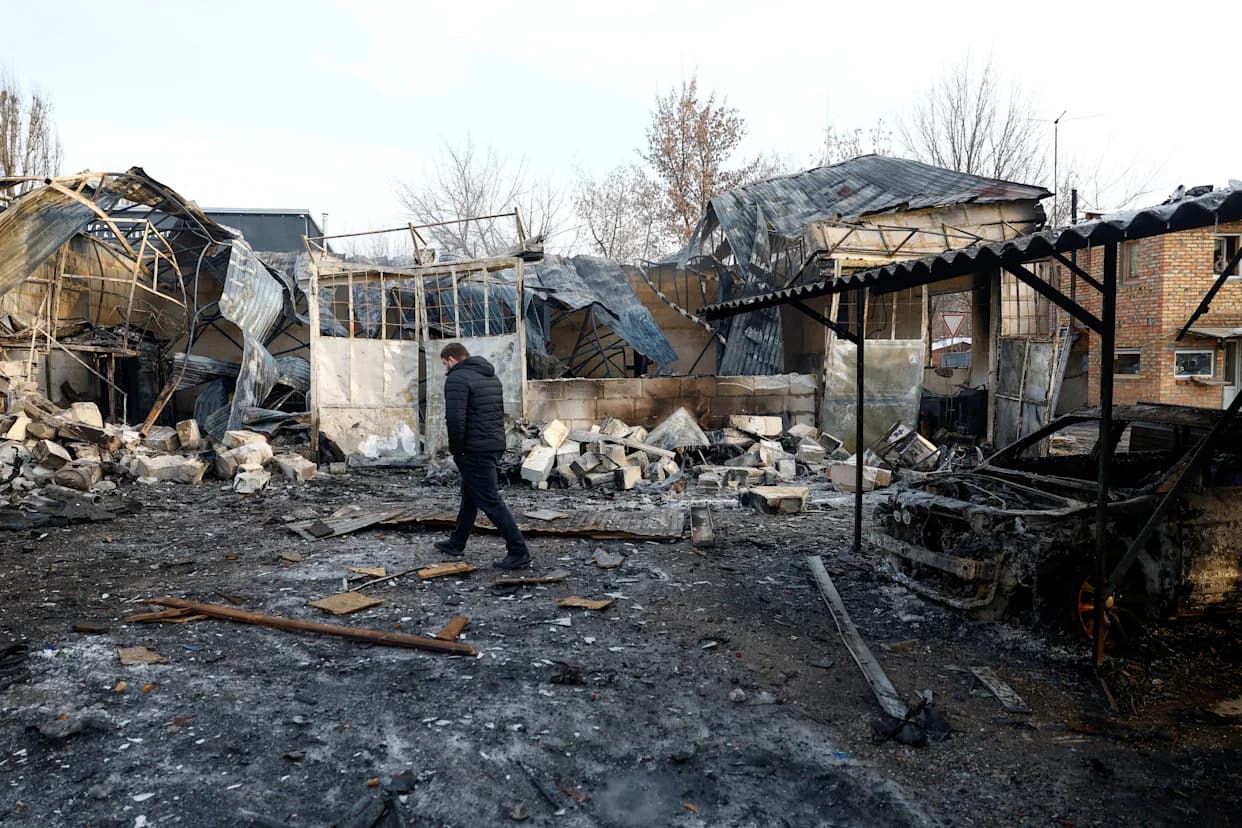
Sanctions and countermeasures have complicated the court’s work. Nine ICC personnel — including six judges and Prosecutor Karim Khan — were named in U.S. sanctions tied to the court’s investigations involving U.S. and Israeli officials. Moscow, meanwhile, has issued warrants against some court staff in response to an ICC arrest warrant for President Vladimir Putin related to the war in Ukraine.
Those measures have strained the court’s capacity to pursue a growing docket of investigations. Delegates at the weeklong assembly are expected to confront the operational impact of restrictions, including possible limits on travel, assets and cooperation from non-member states.
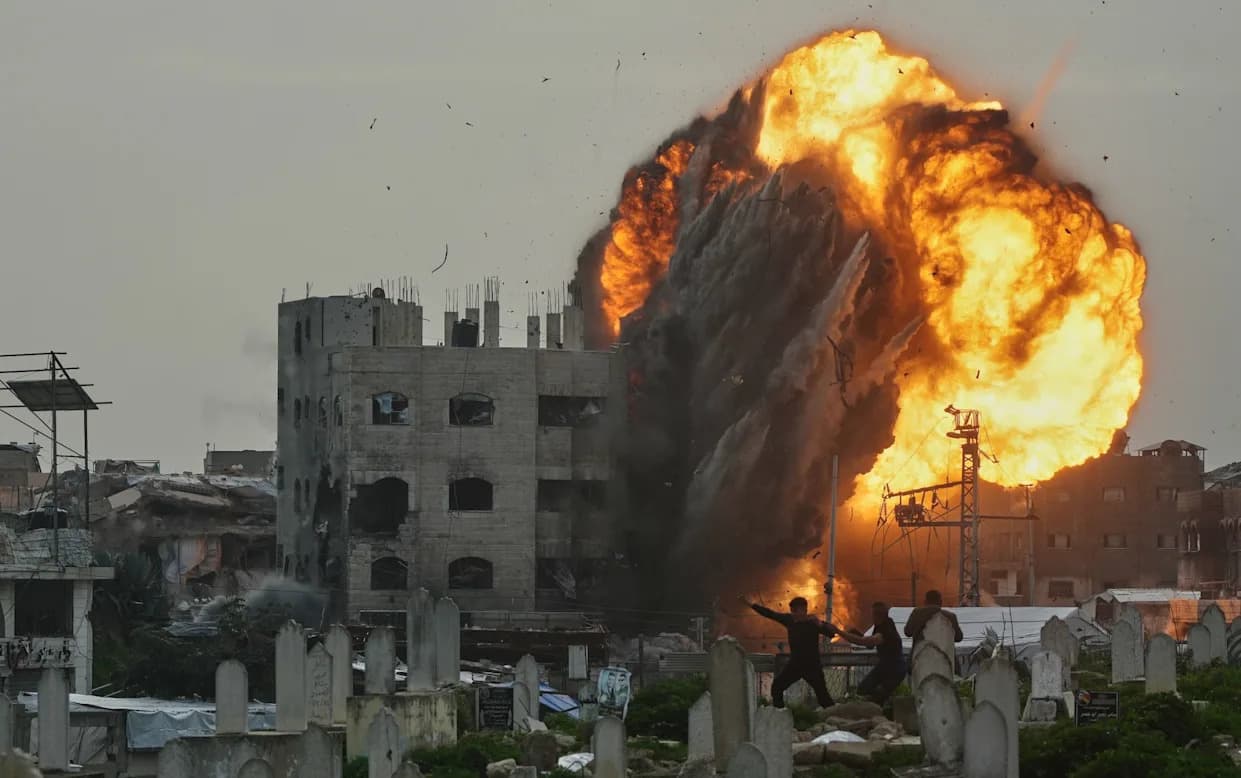
Among the high-profile cases under scrutiny, the ICC has issued arrest warrants for Israeli Prime Minister Benjamin Netanyahu and former Defense Minister Yoav Gallant over alleged war crimes connected to Israel’s military offensive in Gaza after the Oct. 7, 2023 attacks by Hamas. The court only acts when national authorities are unable or unwilling to investigate or prosecute such crimes and it relies on member states to execute arrest warrants, as it has no police force of its own.
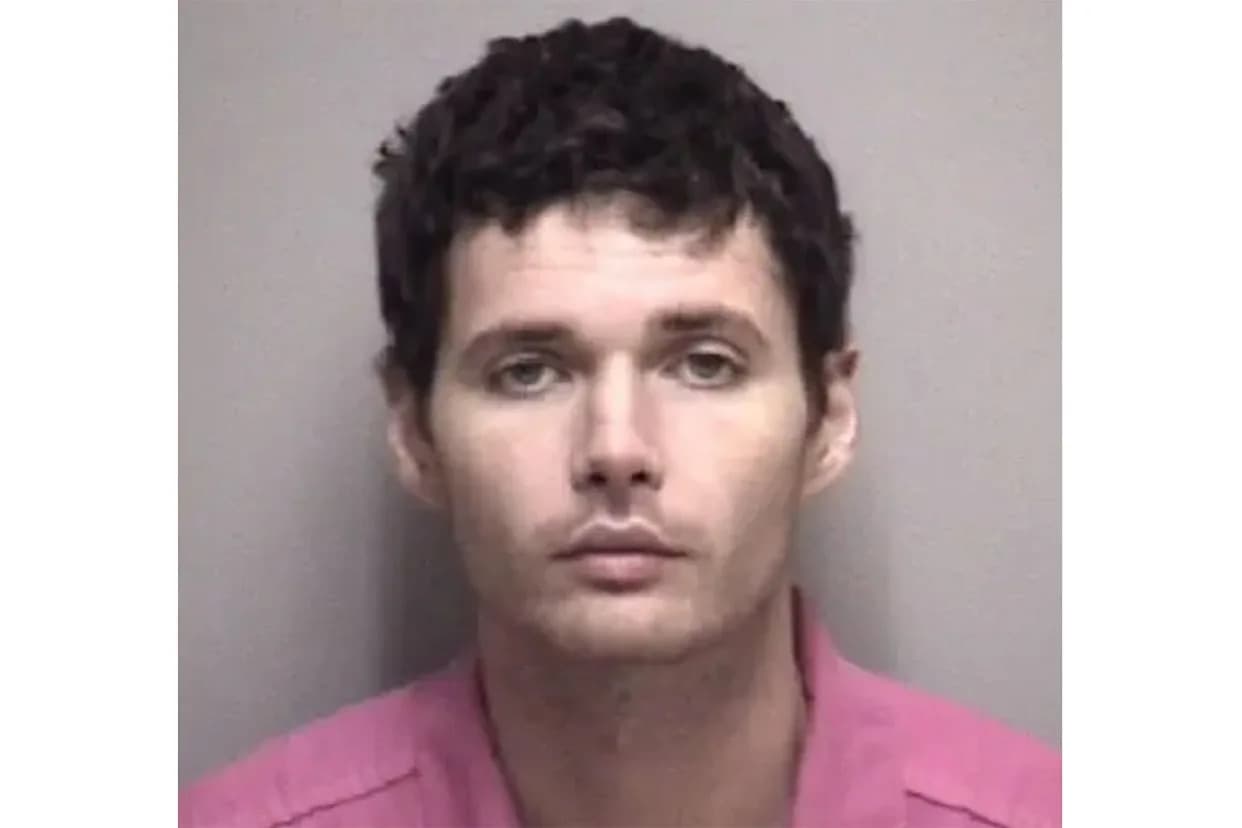
Complicating matters further, Prosecutor Karim Khan has temporarily stepped aside while an internal inquiry proceeds into allegations of sexual misconduct; he has denied the accusations. Päivi Kaukoranta, president of the Assembly of States Parties, acknowledged member states' frustration with the pace of that investigation and said no completion date has been set.
Background
Established in 2002, the ICC is a permanent tribunal tasked with prosecuting the gravest international crimes: genocide, crimes against humanity, war crimes and the crime of aggression. Several major powers — including the United States, Israel, Russia and China — are not parties to the court, which complicates efforts to secure cooperation on arrests and enforcement.
As delegates weigh the court’s budget and priorities this week, leaders emphasize the need to protect judicial independence and ensure the ICC can operate effectively under escalating political pressure.
Help us improve.