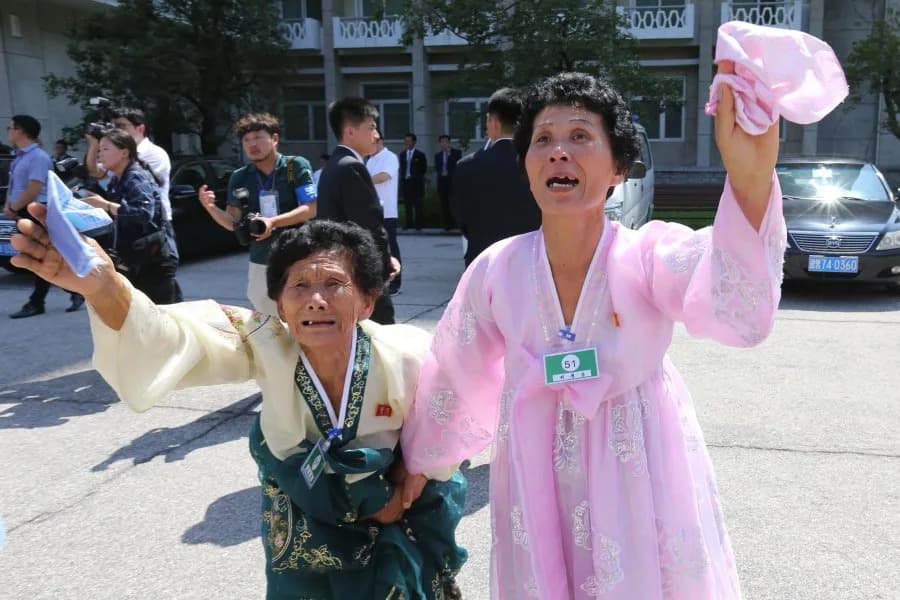
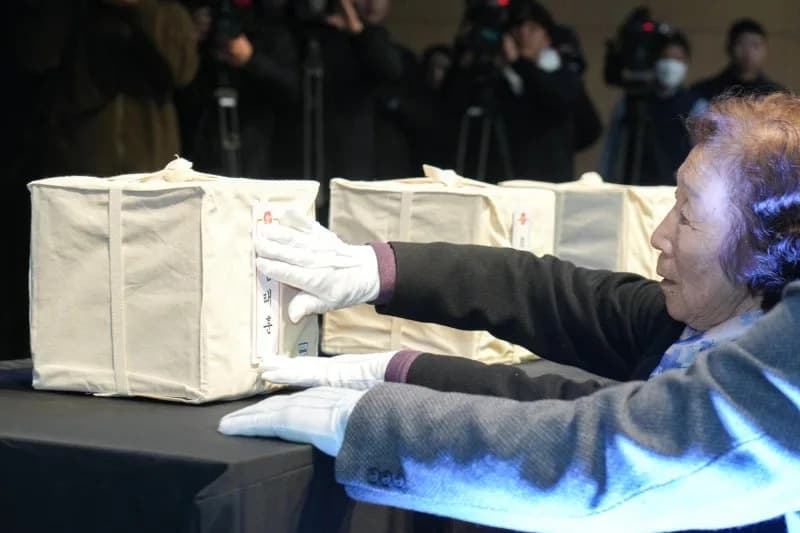
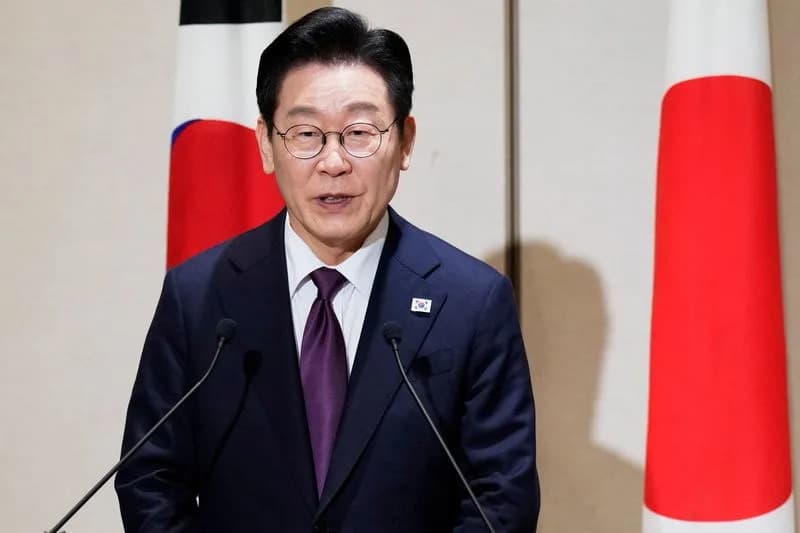
South Korea resumed excavations at White Horse Ridge and recovered the remains of 25 soldiers and 1,962 personal items during a 40-day operation in Cheorwon, Gangwon Province. Preliminary field examinations indicate many remains may be South Korean, but definitive identification requires forensic analysis and DNA testing. Officials framed the work as a humanitarian effort and a step toward lowering military tensions in the DMZ, consistent with President Lee Jae-myung's outreach to the North and plans to restore parts of the 2018 inter‑Korean military pact.
South Korea Recovers 25 Korean War Remains and Nearly 2,000 Artifacts at White Horse Ridge

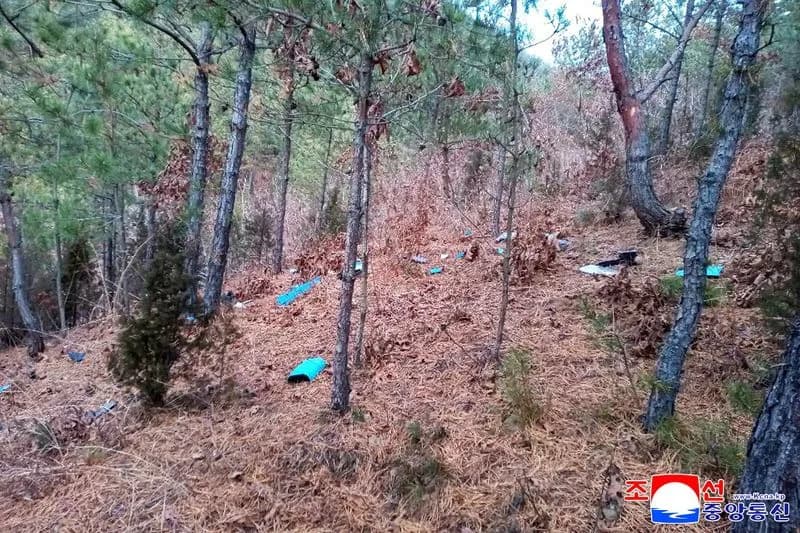
South Korea's Ministry of Defense announced that excavation teams recovered the remains of 25 soldiers and 1,962 personal items during a recent dig at White Horse Ridge, one of the Korean War's fiercest battlegrounds.
Work resumed in October after a three-year pause as part of efforts to reduce military tensions along the Demilitarized Zone. Teams conducted excavations in the Cheorwon area of Gangwon Province from Oct. 15 to Nov. 28. Approximately 100 South Korean military personnel participated in the 40-day operation alongside troops from nations that are members of the United Nations Command.
In addition to the 25 sets of human remains, crews recovered 1,962 personal items, the ministry said. Preliminary field examinations suggest many of the remains may be South Korean, but officials emphasized that conclusive identification will require full forensic analysis and DNA testing at specialized laboratories.
“This is an effort to return the Korean War heroes to their families and homeland, and a practical measure to fulfill the government's pledge to establish peace within the Demilitarized Zone,” the ministry said.
The recovery effort is part of broader outreach by President Lee Jae-myung, who has taken steps to mend ties with North Korea since assuming office in June, including removing propaganda loudspeakers from parts of the border. Lee has said he will take "proactive and gradual steps" to restore elements of the 2018 inter‑Korean military accord, which established buffer zones along the border and included measures such as removing some guard posts inside the DMZ and limiting live-fire exercises in designated areas.
In April 2018, Seoul and Pyongyang agreed to a joint project to recover remains from Arrowhead Ridge, a separate site of intense fighting. After the failed 2019 summit in Hanoi, North Korea declined to participate. South Korea proceeded alone at Arrowhead Ridge in 2019 and recovered roughly 424 sets of remains. The government later extended recovery efforts to White Horse Ridge, where earlier work had yielded 67 sets of remains before that project was suspended in 2022 amid worsening inter‑Korean relations.
Officials said the newly recovered remains and artifacts will be transported to forensic facilities for detailed examination and DNA testing, a process that could take months before families can be notified. Authorities described the work as both a humanitarian mission to return the fallen to their families and a confidence-building measure in the volatile border region.
Help us improve.