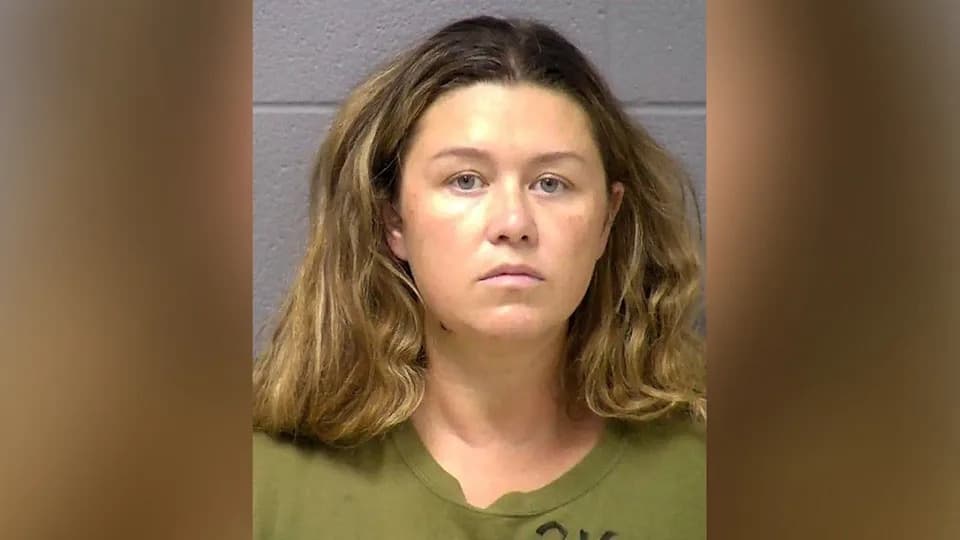
Brian Walshe is on trial in Dedham, Massachusetts, after pleading guilty on November 18 to illegally disposing of his wife Ana’s body and lying to police, though he denies murdering her. Ana vanished after a New Year’s celebration in 2023 and her body has not been recovered. Prosecutors plan to present online-search evidence, items recovered from a dumpster, and blood evidence found in the family home; the trial is expected to last two to three weeks and could result in life imprisonment if Walshe is convicted of first-degree murder.
Brian Walshe Goes to Trial After Guilty Plea on Body-Disposal and Lying Charges

A jury in a Boston suburb is set to hear the murder trial of Brian Walshe in the disappearance and death of his wife, Ana Walshe, nearly three years after she vanished and the case drew national attention. On the first day of jury selection earlier this month, Walshe admitted he illegally disposed of Ana’s body and misled investigators, but he has not admitted to killing her. He pleaded guilty to two lesser counts on November 18 and still faces a first-degree murder charge that carries a potential life sentence if the jury convicts.
The trial is scheduled to begin with opening statements in Norfolk Superior Court in Dedham, Massachusetts. Ana Walshe, 39, who lived and worked in Washington, D.C., traveled to the Boston suburbs to visit family on December 30, 2022. A dinner guest — Ana’s former boss — left the home about 1 a.m. on New Year’s Day, according to investigators. Her employer reported her missing on January 4, 2023.
Brian Walshe was arrested on January 8, 2023, on charges of misleading police and was charged with murder later that month. He has remained in state custody since his arrest. Only Brian, Ana and their three young children are known to have been in the house after the New Year’s celebration. To date, authorities have not recovered Ana’s body and have not publicly released conclusive evidence explaining how she died.
Prosecutors say their case will show planning and motive. Court records allege Walshe conducted numerous online searches on the morning of January 1, 2023, using a family device, including queries such as "how to get blood out of hardwood floors," "how to dispose of a body in the trash" and "how to stop a body from decomposing." Investigators say items recovered from a dumpster near Walshe’s mother’s residence included a Tyvek suit, a hatchet, a hacksaw and other objects prosecutors contend bore blood and DNA from Brian and Ana. Some of Ana’s personal items — including Hunter boots, a Prada purse and a COVID-19 vaccination card — were also recovered. Prosecutors say blood consistent with Ana’s was found in the family home’s basement.
The commonwealth also plans to present evidence of an extramarital relationship involving Ana and a man in Washington, D.C., including text messages and testimony. Prosecutors contend financial motive may have played a role as well, noting Walshe faced restitution tied to a prior federal fraud case and could have sought life insurance proceeds.
"I think that’s the only way you’re going to get his story in evidence, if he testifies … unless there’s some secret witness," said Harvard Law Professor Ronald Sullivan, explaining that if Walshe offers an alternative account of events he likely will need to testify for the jury to hear it.
Walshe's defense is expected to outline its strategy in opening statements. If the defense seeks to explain how Ana might have died without Bryan intentionally causing her death, Walshe himself may testify — a decision that would place his credibility before jurors.
Pretrial rulings may limit certain evidence related to the disposal of Ana’s body because Walshe has already pleaded guilty to those specific offenses. The judge has also instructed jurors to avoid news and social media coverage of the case. The trial, now expected to last two to three weeks, had been postponed earlier to allow Walshe to undergo a mental health evaluation after he was stabbed in jail in September. He spent 40 days in a state hospital and was found competent to stand trial on November 14.
Defense attorneys previously asked to move the trial out of Norfolk County because of intense local media coverage; the judge denied that request. A panel of 12 jurors and four alternates was seated on November 20. The judge may permit jurors to consider lesser homicide charges, such as second-degree murder or voluntary manslaughter, which carry shorter maximum terms than first-degree murder.
Walshe pleaded guilty to one count of misleading police (punishable by up to 10 years, potentially enhanced) and one count of improper conveyance or illegal disposal of a human body (punishable by up to three years). Under Massachusetts law, a defendant cannot enter a guilty plea to first-degree murder; Walshe entered the lesser pleas without a formal deal with prosecutors.
Separately, Walshe is serving a 37-month federal sentence from a 2018 conviction related to selling forged artwork; that sentence is expected to run concurrently with any state sentence he receives in connection with his wife’s death.
Help us improve.