Summary: Feeding America CEO Claire Babineaux-Fontenot warned that U.S. food insecurity remains alarmingly high, with 47.4 million people affected in 2023. Food banks are seeing demand that often outpaces supply, and a growing share of people seeking help do not qualify for federal nutrition programs. She cautioned that recent SNAP changes could cut benefits for about two million people, creating an estimated six billion-meal-per-year gap, and urged bipartisan, strategic reforms to address fraud, errors, and economic barriers to upward mobility.
Feeding America CEO: 47.4 Million Food-Insecure Americans and a Looming 6-Billion-Meal SNAP Shortfall
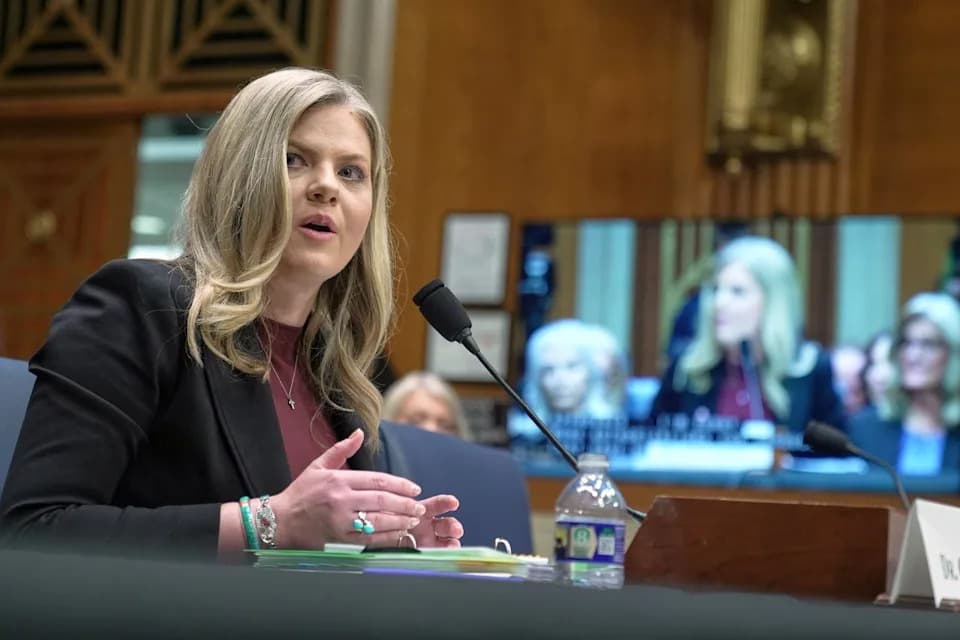
Interview with Claire Babineaux-Fontenot, CEO of Feeding America — Nov. 30, 2025
Overview: Feeding America CEO Claire Babineaux-Fontenot discussed rising hunger in the United States, the strain on food banks during the holidays, and the potential impact of recent congressional changes to SNAP that could remove benefits for roughly two million people.
Key facts: Government data show 47.4 million people lived in households classified as food insecure in 2023. Demand at many food banks now exceeds the available supply, and a sharply growing segment of people turning to charitable food assistance do not qualify for federal nutrition programs.
High demand, stretched resources
Babineaux-Fontenot: Demand for charitable food assistance remains extremely high. She noted that food insecurity rates prior to a recent government shutdown were higher than at many points during the pandemic. Many food banks continue to see long lines and harder-to-meet need as the holidays approach.
Who is coming to food banks — and why
Babineaux-Fontenot: One of the fastest-growing groups seeking help are people who do not qualify for federal nutrition programs. She warned this indicates gaps in the safety net rather than a lack of need. "The system is broken," she said, describing structural barriers that prevent workers from advancing and that leave "missing rungs" on the ladder of economic mobility.
Her proposed solutions emphasize policy changes that help people move out of poverty: targeted incentives, a sliding-scale approach to benefits, and bipartisan efforts to reduce administrative errors and fraud where it exists. Because food insecurity is a symptom of poverty, she said, resolving underlying economic barriers will reduce hunger.
Immediate challenges for food banks
Babineaux-Fontenot: In many communities, "the lines are longer than the food that is available." She highlighted both the courage of people who seek help and the commitment of staff and volunteers in the Feeding America network who serve them. Her priorities are twofold: ensure food banks can meet urgent needs today while supporting longer-term solutions that position people to support themselves.
SNAP changes and the estimated meal gap
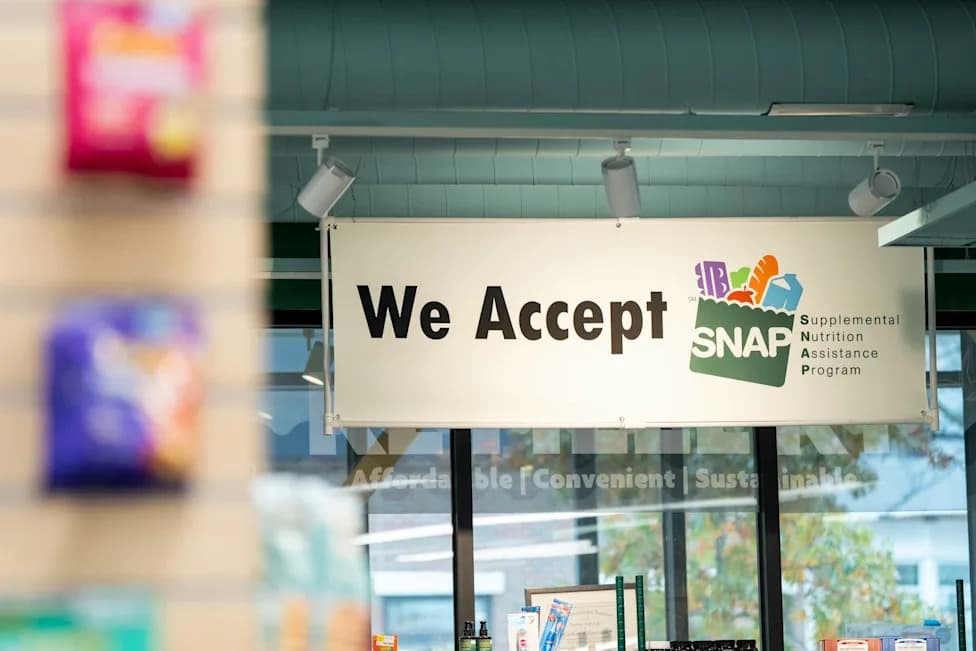
Babineaux-Fontenot: She warned that about two million Americans may lose SNAP benefits because of congressional policy changes enacted earlier this year. Citing the Congressional Budget Office, she estimated those changes could create a gap of roughly six billion meals per year.
Her recommendations include:
- Addressing fraud and administrative error strategically;
- Designing incentives that help people secure stable, higher-paying work;
- Seeking bipartisan solutions focused on both immediate assistance and long-term mobility.
Closing: Babineaux-Fontenot emphasized that reducing hunger is a shared national priority: when people experiencing hunger win, the whole country benefits.
Participants: Claire Babineaux-Fontenot (Feeding America) and Nancy Cordes (interviewer).
Help us improve.