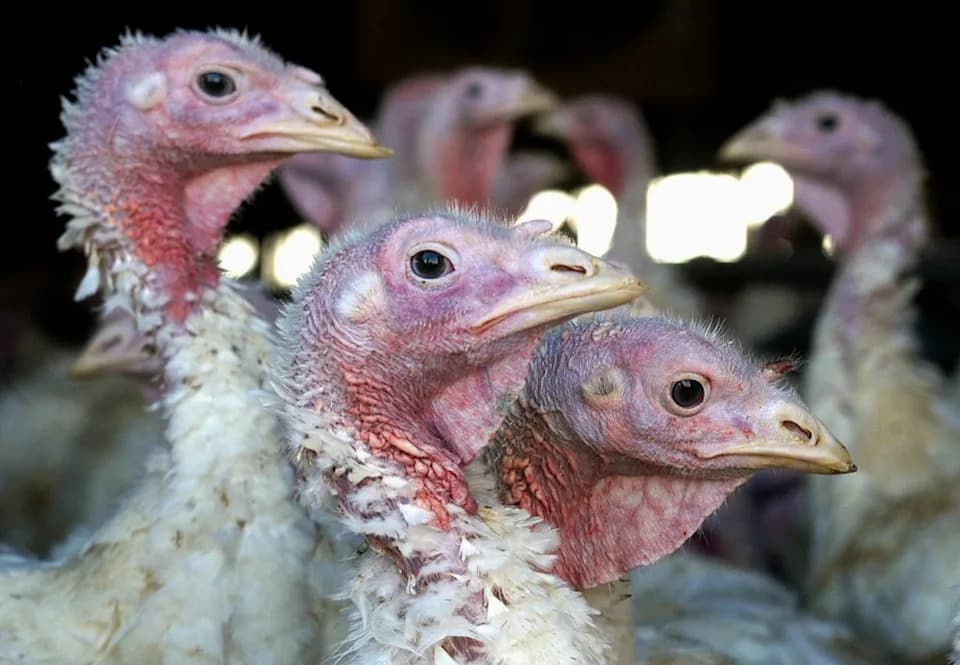
The northern hemisphere is experiencing an unusually early and broad wave of highly pathogenic avian influenza that is affecting wild birds and poultry across Europe and North America. The U.S. recorded 107 outbreaks by Nov. 18 and has culled about 8 million birds since September; Canada has culled nearly 8 million. EFSA reported 1,443 wild-bird cases across 26 European countries between early September and mid-November, the highest since 2016. Authorities say human infections remain rare but are closely monitoring viral changes and the spread among different migratory species.
Early, Widespread Bird Flu Wave Strikes Europe and North America, Raising Supply Concerns
By Sybille de La Hamaide
An unusually early and extensive wave of highly pathogenic avian influenza is affecting wild birds and poultry farms across Europe and North America, raising fears of renewed supply disruptions and price pressure in the food chain. Human infections remain rare, but the timing and breadth of this season’s outbreaks — arriving earlier than the typical autumn spike linked to migration — have alarmed animal-health authorities and producers.
More outbreaks and faster spread
U.S. authorities reported 107 outbreaks by Nov. 18, nearly four times the number recorded at the same point last year. Minnesota, the country’s largest turkey producer, confirmed its first case about two months earlier than in 2022. Since September, U.S. producers have culled roughly 8 million birds, a slight increase from last year. Canada has also culled nearly 8 million birds, despite having a smaller commercial flock, and Canadian officials have described the situation as "very worrisome."
Gregorio Torres, head of the World Organisation for Animal Health (WOAH) scientific department, said the early uptick is concerning but not a public-health alarm. He urged careful monitoring of the viruses themselves, noting that changes in detection and spread can result from multiple factors.
Different wild species involved
Europe has seen a markedly worse season than a year ago. The European Food Safety Authority (EFSA) reported 1,443 bird-flu cases in wild birds across 26 countries between early September and mid-November — about four times the tally for the same period in 2024 and the highest level since 2016. Germany recorded its highest number of outbreaks in three years, with high mortality also reported in France.
Officials say the pattern this season differs from previous years: infections have emerged earlier and among different wild species, and those infections are now spilling over into farmed flocks. Authorities have pointed to common cranes, which migrate earlier than waterfowl such as ducks, geese and swans, as a likely factor in the northeast-to-southwest spread across Europe. In response, France put its poultry sector on high alert in October — weeks earlier than usual.
Regional snapshots and outlook
In Asia, most countries reported a relatively normal seasonal picture, although Cambodia is experiencing severe outbreaks. Japan reported its first case on Oct. 22 and has culled about 1.65 million birds so far.
Health and agriculture authorities emphasize that human cases remain rare, but they are watching closely for any viral changes that could increase risk. The primary immediate concerns are protecting animal health, preserving food supplies, and limiting economic impacts for poultry producers and markets.
What to watch: continued spread among different migratory species, further spillover into commercial flocks, and any genetic changes in the viruses that would alter transmissibility or severity.
Help us improve.