Jeffrey Dahmer was killed in prison on Nov. 28, 1994, at age 34 when inmate Christopher Scarver beat him with a heavy metal bar while they were unsupervised cleaning a gym bathroom. Dahmer had been serving consecutive life sentences for multiple murders after his 1991 arrest and 1992 convictions. His death echoed the blunt-force killing of his first known victim and reignited debate over prison safety, law enforcement failures, and the impact of media portrayals on victims' families.
How Jeffrey Dahmer Died: The Prison Killing That Mirrored His First Murder

Jeffrey Dahmer, the Milwaukee serial killer who admitted to murdering and dismembering at least 17 young men and boys, was beaten to death in prison on Nov. 28, 1994. He was 34 years old and serving multiple consecutive life sentences for the crimes for which he was convicted.
On the morning of Nov. 28, Dahmer, fellow inmate Christopher Scarver and another prisoner, Jesse Anderson, were assigned to clean a gym bathroom at Columbia Correctional Institution in Portage, Wisconsin. The three men were reportedly unsupervised and unshackled. While filling a mop bucket, Scarver later said he felt a poke in the back; when he turned, he believed Dahmer and Anderson were laughing about him.
"I looked right into their eyes, and I couldn't tell which had done it," Scarver later recalled.
Scarver said he retrieved a 20-inch, 5-pound metal bar from the gym, followed Dahmer into a staff locker room and confronted him about his crimes. Scarver has said he struck Dahmer repeatedly, then went to another locker room where he attacked Anderson. Guards found Dahmer on the bathroom floor with severe head trauma. He was taken to a hospital and pronounced dead about an hour later. Authorities estimate both killings took place within roughly 20 minutes.
Legal history and final statements
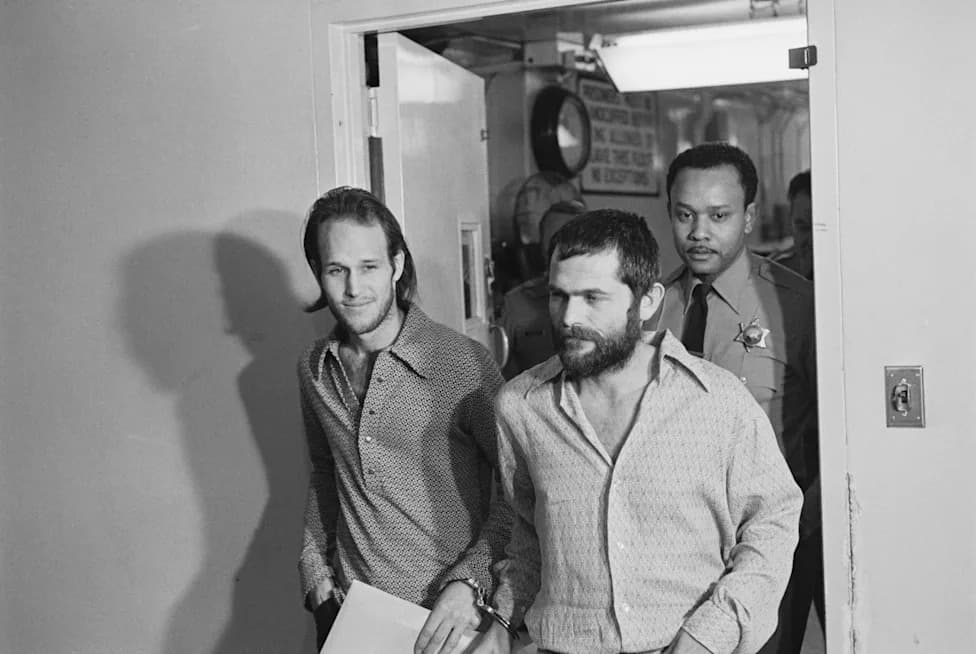
Dahmer was arrested in 1991 and later convicted in Wisconsin for multiple murders. In February 1992 he received 15 consecutive life sentences, with an additional life sentence added after another conviction. He confessed to 17 killings, though one was not prosecuted due to limited evidence.
I hope God has forgiven me. I know society will never be able to forgive me. I know the families of the victims will never be able to forgive me for what I have done.
At sentencing, Dahmer expressed remorse and said he had turned to religion, telling the court he took "full responsibility" for his crimes and that he would give his life to undo the harm he caused.
Reaction and legacy
Public reaction to Dahmer's death was mixed. Some welcomed the definitive end to a notorious criminal's life; others objected that he was denied the opportunity to continue serving his sentences or to pursue rehabilitation. The county prosecutor described the killing as a "sad chapter" in a troubled life and warned against treating the killer's attacker as a folk hero.
Dahmer's parents were divided over whether to preserve his brain for scientific study; ultimately both his body and brain were cremated. The investigation into Dahmer's crimes also prompted criticism of law enforcement. Neighbors and community members had raised concerns prior to his arrest, and a widely discussed incident in May 1991 — when officers returned a vulnerable 14-year-old to Dahmer, after which the boy was killed — intensified scrutiny of police responsiveness to reports in Milwaukee's gay and Black communities.
The shocking nature of Dahmer's crimes, including necrophilia and cannibalism in some cases, has continued to draw public attention and inspired numerous books, films and television portrayals. Relatives and friends of his victims have said dramatizations of the crimes can retraumatize those affected.
Help us improve.